VesselConnect
  • Completed

    Cayman Seismicity 2 of 2 - OBS recovery

    Ross Parnell-Turner · SIO

    Collaborative Research: Investigating the Detachment Fault Cycle at the Mid-Cayman Spreading Center

    Jun 17 – Jul 4, 2023 · 17 d

    Cayman Trough Mid-Cayman spreading center, Caribbean Sea Op Area Size/Dia.: 20

  • Completed

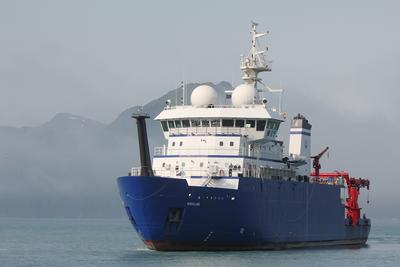
    Sikuliaq · UAF

    FATE OF PRIMARY PRODUCTION IN THE CHUKCHI SEA

    Matthew Mills · Stanford

    Single-celled photosynthetic primary producers generate most of the fixed carbon that supports Arctic Ocean food webs and drives numerous biogeochemical cycles. Three main sources of net primary production (NPP) have been identified in the Arctic Ocean that differ primarily in their timing and location within the water column. These include (1) microalgae growing within the sea ice, (2) phytoplankton that bloom in water under the sea ice (UIB), and (3) phytoplankton that bloom in open water, including in the marginal ice zone (MIZ) and at the depth of the subsurface chlorophyll maximum (SCM). Increasing our knowledge of the relative rates of NPP and particle export efficiency from these three systems is critical if we are to understand how continued sea ice loss, and the associated shifts in ice algal and phytoplankton bloom dynamics, will differentially impact benthic and pelagic food webs in shallow seas throughout the Arctic Ocean, including many organisms on which native human populations rely. Thus, the primary objectives of this proposed study are to utilize data obtained from a ship-based field program to the Chukchi Sea to 1) measure rates of NPP associated with the sea ice, UIBs, and open water phytoplankton in both the MIZ and SCM, 2) use sediment traps to characterize and quantify the vertical sinking fluxes of bulk particulate matter from the sea ice, UIBs, and open water phytoplankton blooms, and 3) use our newly developed Hydrodynamic treadmill to determine how sinking speeds of microalgae from all three NPP sources vary by community composition, physiological state, and environmental condition.

    Jun 16 – Jul 30, 2023 · 44 d

    Alaskan Arctic

  • Completed

    TIM-ET1-Dep

    Collin McCaffery · SI

    Our team intends to conduct an acoustic comms test utilizing two (2) surface expressions (Slocum Gliders) and two (2) moored-bottom nodes. The primary objective will be following the deployments where we are planning a 10 to 14 day equipment soak. This allows for longer duration testing, and multiple glider pattern evolutions. For this part 1 of a multi-part trip we anticipate a two (2) day mobilization, followed by a short transit (2 to 4 hours). Two (2) days of deployment and initial testing activities. With the plan being to then leave the gear to soak while the vessel and team return to port and demobilize the vessel. The follow on to this multi-cruise event will be a recovery trip.

    Jun 16 – Jun 18, 2023 · 2 d

    2 to 6 hours NW of San Diego

  • Completed

    STEMSEAS

    Sharon Cooper · LDEO

    The science, technology, engineering and mathematics (STEM) workforce is crucial to the U.S. health and economy, yet retention rates in STEM fields are poor, and the Geoscience community in particular is faced with a looming workforce shortage. Moreover, the Geoscience community continues to lack the diversity of the population at large. The STEM Student Experiences Aboard Ships (STEMSEAS) project is a 3-year partnership between the Indiana University of Pennsylvania, Lamont Doherty Earth Observatory at Columbia University, and the University National Oceanographic Laboratory System (UNOLS) aimed at addressing three priorities: (1) increasing the number and diversity of students pursuing degrees and careers in geosciences; (2) preparing students for all possible career trajectories in the geosciences; and, (3) contributing to the evidence base for effective student engagement, learning and retention in STEM. The STEMSEAS project is achieving these goals by taking advantage of unused berthing capacity available on UNOLS vessels as they transit between U.S. ports in preparation for their next scientific expedition. These short (~5-7 days) transits offer a unique mobile classroom setting where undergraduate non-STEM, undecided-STEM, and geoscience majors can be exposed to geoscience professional practice and career exploration. By partnering with UNOLS and campus ?champions" at universities, including minority-serving institutions (MSIs) and historically black colleges and universities (HBCUs), the project sends diverse cohorts of students to sea with a small team of geoscience faculty and mentors. STEMSEAS is built on a pilot-project that sent three cohorts (~10 undergraduate students each) selected from an applicant pool of ~875 students on three different research vessels during 2016. The pilot-project demonstrated the logistical feasibility of the program, and showed through preliminary data a strong potential for positive impact. While at sea, the students engage in a variety of hands-on activities that incorporate geoscience content, lab exercises, data collection/analysis, career exploration, and discussion/reflection. Upon completion of a transit, each participant is required to complete a post-expedition project, which they present back at their home institution, write a short article about their experiences, and participate in post-expedition webinars with other cohort members. The STEM Student Experiences Aboard Ships (STEMSEAS) project is a 3-year initiative aimed at addressing three priorities: (1) increasing the number and diversity of students pursuing degrees and careers in geosciences; (2) preparing students for all possible career trajectories in the geosciences; and, (3) contributing to the evidence base for effective student engagement, learning and retention in STEM. Application materials and evaluation surveys are providing data to assess the impact of the STEMSEAS project on student knowledge of and attitudes toward the geosciences and geoscience careers. The STEMSEAS project is designed to add to the evidence base regarding what kinds of experiences and interventions help to increase retention and persistence in geoscience-related majors, and what strategies are most effective at increasing the number and diversity of students entering the geoscience workforce pipeline. By creating innovative learning experiences on board charismatic research vessels, STEMSEAS is gathering data on the effectiveness of novel approaches for engaging students who may never have considered the geosciences as a field of study or career, students who are interested in the geosciences but are unsure of what direction to go, and STEM-interested students who may not have considered the specifics of the geosciences. Through these immersive experiences, STEMSEAS is exploring the effectiveness of short-term but intense learning activities.

    Jun 15 – Jun 26, 2023 · 10 d

    transit from Honolulu to Seward

  • Completed

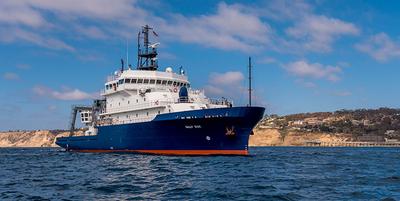
    Sally Ride · SIO

    Heat Flow Probe

    Robert Harris · OSU

    We propose to take the new heat flow measurement system to sea for testing under typical field conditions, including: oceanic water depths (2.5-3.0 km), a mixture of seafloor sediment types (hemipelagic clay, sandy turbidites), using the standard trawl system with UNOLS 3/19 wire, managing the system on deck before and after deployment, running the system for shorter and longer surveys (to assess available battery power and turn around operations), and real-time data telemetry

    Jun 15 – Jun 21, 2023 · 6 d

    Cascadia Basin near 47degN, 128degW, around IODP drilling sites and three basement outcrops, where there are good bathymetric (swath) data.

  • Completed

    Scallop survey

    Nathan Keith · NOAA

    This cruise surveys the pre-recruit and fully recruited segments of the Atlantic sea scallop resources from Virginia through Georges Bank, generating fishery independent estimates of biomass and size composition. These estimates are used to conduct a quantitative stock assessment for this species. We estimate 450 scallop dredge hauls, 150 CTD profiles, and towed HabCam.

    Jun 14 – Jun 18, 2023 · 4 d

    Virginia to Georges Bank

  • Completed

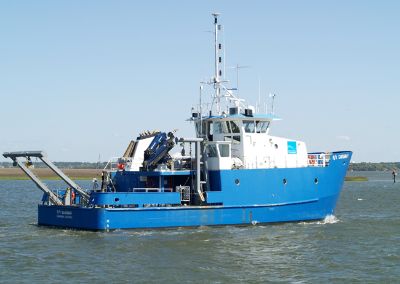
    Savannah · SkIO

    REU 2020-2025

    Tara Cox · SSU

    Savannah State University (SSU) in Savannah, Georgia will host an eight-week summer Research Experience for Undergraduates (REU) program in marine sciences for ten undergraduate students, and the program will run for three years (2020-2022). The goal of this REU Site is the early recruitment and support of undergraduate students, with a focus on recruiting students who have limited background knowledge of and access to academic research. The program includes a two-day research cruise opportunity for undergraduate students aboard an oceanographic research vessel and a specific emphasis on training non-traditional students, veterans, and students with disabilities. SSU's local partners include the Skidaway Institute of Oceanography, Gray's Reef National Marine Sanctuary, and UGA MAREX Aquarium and Shellfish Laboratory. Each of the partners has experienced research mentors and high level research facilities that provide an excellent environment for student research projects. Students are recruited nationally, and support provided to interns includes stipends, travel to and from the site, housing and an allowance for meals. Phase I of the REU program, or weeks 1-2, focuses on whole-group activities including short courses, guest lectures, field trips and visits to marine laboratories along the Georgia/South Carolina coast. Short course topics include introductory marine science lectures and fundamental research skills and the 2-day research cruise. The six-week Phase II switches focus to the students' research in mentor labs at SSU or one of the participating institutions. Each student will complete an oral and written presentation of their research and a completed program evaluation.

    Jun 14 – Jun 15, 2023 · 1 d

    GA Shelf Coast/inshore out to Gulf Stream

  • Completed

    Blue Heron · UMN

    ORG-S in Superior

    Sergei Katsev · UMN

    Sulfur is an ever-present component of living matter. As aquatic organisms grow, die, and decay, sulfur is exchanged between the organisms and their environment, cycling between its organic forms in living cells and inorganic forms in ambient water. An important process in the geochemistry of sulfur is sulfate reduction. This process, carried out in the environment by microorganisms in the absence of oxygen, converts sulfate, the oxidized and commonly available form of inorganic sulfur, into hydrogen sulfide, which is highly reactive and generally toxic to other organisms. This process has multiple environmental significances: it regulates the fluxes of important nutrients such as phosphorus and pollutants such as mercury; it is a pathway by which significant amounts of organic carbon are converted into carbon dioxide and low molecular weight carboxylic acids; and it affects the life cycles of commercially important aquatic plants such as wild rice. Over geological time scales, it is responsible for the formation of iron sulfides, which are preserved in sedimentary rocks and contain the record of environmental conditions dating back to the earliest stages of Earth's history. Present understanding of sulfate reduction, however, has been largely shaped by studies in marine settings where sulfate is abundant and easily available to organisms from seawater. The situation is different in freshwater lakes, rivers, and other low-sulfate environments, which include the oceans of distant geologic past and sediments deep below seafloor. Organic sulfur appears to be a much more important source of sulfur for sulfate reduction in these low-sulfate environments, however the pathways by which it circulates and the magnitude of its effects in different conditions are unknown. A team of geochemists, organic chemists, and geomicrobiologists from the University of Minnesota Duluth will address these questions by studying the sulfur transformations and relevant microorganisms, focusing on Lake Superior and its largest American tributary as the study area. They will collect sediments, analyze them for geochemically relevant sulfur species, measure reaction rates between these different species, and perform genetic analyses to identify key involved microbes. If the initial hypotheses are confirmed, the results are likely to transform the current paradigm of sulfur chemistry in such low-sulfate environments, influencing several scientific disciplines and providing a foundation for better environmental management practices. The project will support two beginning investigators and will train two graduate and several undergraduate students. Research cruises will provide no-cost support for several collaborative efforts on Lake Superior. Results, models, and methods will be incorporated into an innovative Limnology curriculum being developed by the PIs with NSF support. Findings will be communicated to public through a series of talks, K-12 teacher education events including a teacher education cruise on Lake Superior aboard the R/V Blue Heron broadcasted on YouTube, and exhibitions at Duluth Freshwater Aquarium. Microbially mediated sulfate reduction in aquatic sediments mineralizes organic carbon, generates hydrogen sulfide, and mediates the geochemical cycles of other elements, such as iron, phosphorus, and mercury. While organic matter contains a number of sulfur compounds, little is known of the fate of this organic sulfur pool during mineralization and more importantly its contribution to the inorganic sulfur cycle that fuels sulfate reduction. The current paradigm of sulfate reduction involves diffusion of sulfur from overlying water into the sediments where sulfur-reducing microorganisms are present. Contrary to the paradigm, modeling and preliminary results demonstrate that under low-sulfate conditions organic sulfur buried in sediment may be the dominant source of sulfur for sulfate reduction, and once mobilized, via microbial biotransformation, may be exported to the overlying water column. Contributions from organic sulfur may be pervasive in environments such as oligotrophic freshwater lakes or the oceans of the geologic past. By characterizing the organic sulfur transformations in sediments across a range of sulfate and organic carbon levels in Lake Superior and its largest American tributary, investigators will address the following questions under a range of environmental conditions: A. To what extent does organic sulfur contribute to the pool of sulfur that fuels sulfate reduction? B. Does organic sulfur undergo cryptic, microbially-mediated biogeochemical transformations, and what microorganisms are responsible for these transformations? They have assembled a multidisciplinary research team that combines expertise in sediment geochemistry, organic geochemistry, and geomicrobiology to address these objectives using sediment characterizations, rate measurements, molecular characterizations of microbial communities, and modeling. The results will quantify an important part of the diagenetic sulfur cycle that has received little attention despite its potential significance in environments such as freshwater lakes, deep subsurface, and the low sulfate oceans of the geological past. Verifying the proposed hypotheses may lead to reevaluation of the geochemical cycles of sulfur and associated elements such as iron and nitrogen, including cryptic reactions in the sulfate-methane transition zone; reinterpretation of the origins of the isotopic signatures of sulfur preserved in both modern aquatic sediments and ancient sedimentary rocks; and conservation and management practices in sulfide affected water bodies. The project will generate novel microbial and geochemical data that will be publicly available.

    Jun 13 – Jun 15, 2023 · 2 d

    Lake Superior
  • Completed

    Pelican · LUMCON

    GF-Su23

    Zach Zuckerman · LaWLF

    The Southeast Area Monitoring and Assessment Program (SEAMAP) Shrimp/Groundfish trawl surveys are conducted throughout the Gulf of Mexico to provide fishery-independent monitoring and assessment information on shrimp and groundfish assemblages associated with low relief soft-bottom habitats. These data are essential to the management of the fisheries resources in the Gulf of Mexico. Louisiana Department of Wildlife and Fisheries (LDWF), as well as SEAMAP state partners, sample in conjunction with the National Marine Fisheries Service (NMFS) to provide a Gulf-wide trawl survey each summer and fall.

    Jun 12 – Jun 14, 2023 · 2 d

    Territorial waters off the coast of Louisiana

  • Completed

    GA-ZRay-01

    Matt Fish · GA

    This project will be conducted to support 3 days of testing of the ZRay vehicle. The vehicle will be run through a variety of speed and depth profiles while using the Sproul as the launch and recovery ship.

    Jun 10 – Jun 13, 2023 · 2 d

     12 miles west of San Diego: 32d 41m N, 117d 29m W

  • Completed

    NESCAFE-pilot

    Matthew Dzieciuch · SIO

    This cruise is part of the ONR Task Force Ocean Department Research Initiative. The experiment is meant to characterize the highly variable acoustic propagation that is observed in the area around the Atlantis II seamounts The variability is manifested in the acoustic impulse responses and the ambient soundscape and is caused by oceanographic and atmospheric processes as well as complex seafloor topography. The main challenge of this experiment will be to see if the acoustic arrival pattern of the observations is predictable given some base of information. That is to say: can we identify the ray paths and ducted energy based upon the available environmental information? The environmental information can come from climatology, ocean models (such as HYCOM), or local observations. If the paths or ducted modes can be identified we seek to answer two further questions: 1) Can the acoustic observations be used to infer properties of the sound-speed profiles? and 2) Can we predict the statistics of the arrivals? (such as the transmission loss distribution and the space-time coherence.) A month-long pilot cruise is being planned with the mooring deployment in the beginning and recovery at the end. During the middle of the cruise, other groups will be collecting environmental information. These groups include M. Alford (SIO) with a fast-CTD to collect water column information, J. Miller (URI) with OBSs to characterize sea-bottom properties, and Megan Ballard (ARL-UT) with seafloor hydrophone systems (AMARS) to observe scattering from the seamount. Y.T. Lin (WHOI) will also test his acoustic mooring.

    Jun 9 – Jun 20, 2023 · 11 d

    Atlantis II seamounts

  • Completed

    Pelican · LUMCON

    MD RTMM

    Eric Aronchick · WHOI

    Recovery of Deepwater Mooring in the US GoM.

    Jun 9 – Jun 10, 2023 · 2 d

    Gulf of Mexico

  • Completed

    ASTRAL

    Craig Lee · UW

    The Arabian Sea is a critical moisture source for the southwest monsoon, which influences the health and livelihoods of the billions of people inhabiting South Asia. The southeastern Arabian Sea develops a ‘mini warm pool’ region with SSTs rising through the low wind, clear sky conditions of the boreal spring intermonsoon period, reaching peak values prior to the onset of the summer monsoon. When present the mini warm pool sets up a north-south SST gradient with cool waters to the north and warmer waters to the south. Limited observations of the atmospheric boundary layer (ABL) show similarly strong latitudinal variation in structure (mixed layer height, stability, and inversion strength) and turbulent surface fluxes. With the onset of the summer monsoon the mini warm pool collapses suddenly (over a few days to week) and the latitudinal SST gradient is eroded. The coincident evolution of the ABL and air-sea exchange has yet to be observed. In the upper ocean, the seasonally reversing exchange with the neighboring, fresh Bay of Bengal controls the stratification of the mini warm pool region. The role of ocean dynamics in the maintenance and collapse of the mini warm pool is still an open question although previous studies have pointed toward the importance of salinity-stratified barrier layers—a remnant signature of lateral stirring between the Arabian Sea and Bay of Bengal waters. Land-locked to the north by south Asia, the Arabian Sea is a natural laboratory for the study of localized air-sea interaction with limited influence by remote atmospheric waves but a clear north-south variation in ocean stratification (temperature and salinity) that evolves rapidly in time (scale appropriate for ship-based study). The proposed research effort will combine new atmosphere-ocean observations acquired via autonomous and ship-based platforms with multi-tiered modeling (process-resolving idealized modeling, coupled regional modeling, and data assimilative forecasting) to understand the dynamical mechanisms that control the structure and coupling across the ocean and atmospheric boundary layer, i.e., “the transition layer”, in the Arabian Sea, and, consequently, to provide a framework for resolving coupled model biases in the region’s ocean heat, atmospheric moisture, and precipitation. Fieldwork and modeling will be designed to address the following questions: What processes control the maintenance and dissipation the Arabian Sea warm pool? How does variation in warm pool strength and stability in the ABL modulate local air-sea fluxes? How does the collapse of the warm pool change boundary layer structure and surface fluxes? What exchange processes are misrepresented in coupled models leading to moisture & precipitation dry biases in forecasts? Do improved physical parameterizations of local air-sea exchange lead to improved ocean and atmosphere forecasts from short-term to sub-seasonal to climate time scales?

    Jun 8 – Jun 26, 2023 · 18 d

    Northern Arabian Sea

  • Completed

    Sikuliaq · UAF

    Arctic Chief Sci Training Cruise (attached to transit)

    Emily Eidam OLD ACCOUNT · UNC

    The National Science Foundation supports a fleet of research vessels dedicated to scientific investigations, including the R/V Sikuliaq which is tailored for Arctic work. Through partnerships, NSF-funded scientists also have access to work on other research vessels such as the USCGC Healy . Conducting successful research cruises on these vessels requires that PIs understand the logistics of requesting ship time, mobilizing equipment and personnel, effectively planning for underway operations in concert with ship staff, and managing personnel and sampling plans at sea—as well as unexpected issues that arise. In order to maintain a robust scientific workforce who can effectively utilize these seagoing platforms, early career scientists need to gain training and experience in navigating these processes and logistics. There is a particular need for this training and capacity-building at the present time, given increasing arctic research interests and a lag in research cruises (and thus junior scientist training) during the covid-19 pandemic. In this proposal we seek to host 12 early career participants on a week-long already-scheduled R/V Sikuliaq transit between Seward and Nome, AK, with an added day for scientific sampling opportunities. Participants will be recruited through an advertisement process, and introduced to the UNOLS system and cruise logistics through several pre-cruise meetings held virtually in the spring. Participants will have the opportunity to plan their sampling, communicate plans with the vessel crew, and mobilize supplies prior to the trip. The trip will include a one-day pre-trip workshop where they will learn more information about navigating the UNOLS system and will make final departure preparations. During the course of the cruise, four science mentors and vessel scientific staff will provide guidance and lead a series of presentations and discussions about how to manage a successful survey. After the survey, participants will ship any samples home, archive data, and create a cruise report. This effort is modeled after a series of five successful chief scientist training cruises hosted in the past decade in non-polar environments.

    Jun 6 – Jun 13, 2023 · 6 d

    Bering Sea

    Sails with 1 other project

  • Completed

    An Embedded Cytomete 3 of 3 2022

    Ginger Armbrust · UW

    he photosynthetic microbes ? the phytoplankton ? generate about 50% of the oxygen and organic matter produced on Earth each year and serve as the base of marine food webs. Flow cytometers are essential oceanographic instruments that rapidly and accurately measure the abundance, size and fluorescent characteristics of individual phytoplankton cells. For example, flow cytometry led to the discovery of Prochloroccocus, the most abundant photosynthetic organism on Earth. However, thirty-seven years after the first description of a flow cytometer designed specifically for the measurement of phytoplankton in the field, the complexity of flow cytometry, and the multi-parametric data it produces continues to be an obstacle to its evolution towards common use as an oceanographic field instrument. PipeCyte is a miniature, low-power flow cytometer instrument that was designed to perform autonomous measurements of 0.5-10 µm diameter phytoplankton while deployed on autonomous oceanographic measurement platforms. In this first deployment project, the PipeCyte instrument will be immersed at depths of up to 100 meters while tethered to a surface buoy. A surface buoy is a low-cost platform that is simple to deploy from a research vessel. In this project, several buoy deployed PipeCyte instruments will be released in the open ocean to perform measurements of the phytoplankton community at multiple depths. These measurements will provide an unprecedented view of the relation between environmental features and phytoplankton communities along the water column.

    Jun 6 – Jun 8, 2023 · 2 d

    Puget Sound

  • Completed

    Savannah · SkIO

    Cross-Shelf Plumes May 2023

    Diane Fribance · CCU

    A study of the dynamics of a coastal buoyant plume, fed by a riverine discharge, that crosses a wide continental shelf at an oblique angle and with minimal lateral spreading. This type of plume delivers coastal low-salinity water offshore, possibly all the way to the shelf-break, where it can be entrained by major oceanic currents (e.g., the Gulf Stream on the US east coast). The plume’s formation is the result of tidally-modulated estuarine outflow and a balance between upwelling wind and buoyancy forcing, something not uncommon in a variety of environments around the globe, and yet it deviates from the traditional plume types commonly referred to in the literature. We hypothesize that under such wind/buoyancy conditions the tidal pulses of brackish water produce individual tidal sub-plumes, which are subsequently advected offshore by Ekman drift without being dispersed or mixed by excessive wind-induced shear stresses. The freshwater discharge is assumed to be sufficiently high so that geostrophic adjustment can occur within the tidal pulse of buoyant water. Under this scenario, the width of the resulting plume is simply the scale of the individual tidal sub-plume, while its total length is a sum of multiple tidal sub-plumes, roughly aligned with the surface wind-driven currents. The result of this process is a filament-like plume with an unusually high length-to-width aspect ratio, which breaks away from coastal trapping and protrudes far offshore. A number of field experiments will resolve mixing, wind and other forcings near the sea surface to develop an accurate description of the conditions favoring the development and persistence of these dynamics.

    Jun 5 – Jun 11, 2023 · 6 d

    Mouth of Winyah Bay, SC, off Georgetown in Long Bay

  • Completed

    Solving mystery OC 2022

    Brad Rosenheim · USF

    The Amazon River is one of the largest and most important rivers in the world. It not only carries water through the Amazon rain forests, it also carries mud - lots of mud. This mud settles when the river joins the ocean, forming the Amazon delta. Waves and wind re-suspend some of this mud, which forms mud banks that slowly move from the coast of Brazil, to French Guiana, Suriname, and Guyana. Not only do these mud banks shape the coastlines of these areas, but they also serve as a storage for carbon that had been removed from the atmosphere by the Amazon rainforest, dropped to the forest floor and washed into the river, ultimately transported on particles of mud into the Amazon delta. Normally, this represents a transfer of carbon from the atmosphere to the sediment and rock record, hiding it away for thousands to millions of years and participating in the natural regulation of atmospheric carbon dioxide concentration. However, the Amazon's special case of mud banks that travel hundreds of miles along the coast has long been believed to stir up this carbon and release most of it back to the atmosphere. This idea has held for decades, but if wrong, may have a large impact on our understanding of the ocean's carbon cycle. This research will use new science and technology to change the way we look at river carbon cycling in the ocean by sampling the mud banks, ocean waters, and Amazon River waters more thoroughly than has been previously done, with the aim to understand and quantify the storage of land-derived carbon in marine mudbank sediments offshore the Amazon River. This research will serve as the core of two Ph.D. dissertations and will interface with the Woods Hole Partnership Educational Program (PEP) to provide under-represented minority college students an opportunity to gain practical experience in marine and environmental sciences. The project will also be incorporated into the Saint Petersburg Science Fest, an event that brings several thousand school children to University of South Florida campus during one weekend every autumn to showcase different research projects and initiatives. Twenty years ago, John Hedges posed a seminal question pertaining to the role of the ocean in the carbon cycle: "what happens to terrestrial organic matter in the oceans?" That question was set upon a conundrum - because riverine organic matter is highly degraded, it should be expected to suffer minimal respiration in the ocean, yet by most accounts continental margins seem to be incinerators of terrestrial organic matter. However, much of this paradigm was originally built upon biogeochemical studies of the Amazon sub-aqueous delta and the mobile fluidized mudbanks along the Guianas coast. However, preliminary state of the art characterizations of organic carbon in Amazon River and mudbank sediments suggest that a fraction of terrestrial organic carbon is actually not refractory and as such is rapidly and efficiently oxidized in the ocean, whereas another fraction is refractory and is in fact quantitatively preserved in marine sediments. Overall, the data suggest an underestimation of burial efficiency in the realm of 50-100%. This proposal focuses on gaining a transformative mechanistic and quantitative understanding of the fate of terrestrial organic carbon in the coastal ocean offshore of the Amazon River. This will be done through i) sampling the marine province offshore of the Guianas coast (the Guianas mudbanks) as well as the Amazon River delta, using a shallow-draft research vessel and ii) using novel state of the art geochemical analysis of organic carbon - in particular ramped oxidation and compound specific radiocarbon analysis - and elemental composition to demonstrate the selective nature of terrestrial organic carbon oxidation and provide new estimates of burial efficiency of this system - with implications for the global inventory of terrestrial organic carbon in the ocean.

    Jun 5 – Jun 17, 2023 · 12 d

    Guianas Coast Coastal waters, NE S. America, Between Eastern Suriname and the mouth of the Amazon River in Brazil. Operations include coastal waters of three nations - Suriname, France (French Guiana)

  • Completed

    Biomechanics cruise

    Jennifer Taylor · SIO

    The primary educational goal of the cruise is to recover and observe deep-sea animals from midwater and continental margin environments. This cruise provides a unique opportunity for students to observe and handle animals common in these extreme environments and explore how animal form (materials and structure) is adapted to variable water conditions (i.e., pressure, temperature, pH, oxygen) and ecologies (e.g., pelagic, benthic, mobile, sessile). Additionally, animals will be brought back to SIO so that students can study these materials under a microscope and conduct mechanical testing on the biomaterials as part of the course. Specifically, groups of students will use an Instron mechanical testing device to examine the mechanical properties of different animal tissues to illustrate how materials are characterized and how they support multiple animal functions by resisting various types of loading. The study of deep-sea animal materials will complement the study of intertidal animal materials to help students understand the link between animal form, function, and environment. This cruise will have the additional goals of introducing students to oceanographic research, demonstrating the different types of instrumentation used to study deep-sea organisms, including the Isaacs kid mid-water trawl, otter trawl, CTD, and providing at-sea experience for the diverse students who take this course. In addition to supporting undergraduate and graduate education, this cruise will also support collaborative research of faculty. In collaboration with other SIO and Engineering faculty, we are establishing a deep-sea biomaterials research program to better understand how organisms are adapted to this extreme environment, where variations in pressure, pH, temperature, oxygen, light, and metals may significantly influence the biomaterials that animals use for construction. Towards this effort, I will be collecting and bringing back to SIO various deep sea invertebrates for materials characterization.

    Jun 3 – Jun 4, 2023 · 1 d

    Approximately 25-30 km offshore San Diego

  • Completed

    Pelican · LUMCON

    TRW Antenna and Argo floats - 2023 ARGO

    Heather Furey · WHOI

    This project was split into 2 different cruises because instrumentation was not ready for a 2023 deployment. SME 21/662 - 2023 - 6 days mostly ARGO deployments - Heather Furey is PI & Chief Scientist SME 21/2624 - 2024 - 6 days - Randy Watts PI & Chief Sci SME 21/663 - 2026 - Randy Watts PI & Chief Sci This is Cruise 1 2023 - ARGO Strong near-bottom currents have been observed in deep water approaching the northern Gulf of Mexico. They have characteristics like Topographic Rossby Waves (TRWs) and intensify particularly along Sigsbee Escarpment, where oil and gas (O&G) operations are impacted. The strong near-bottom currents are undetectable or difficult to detect from observations near the sea surface. We propose to deploy an array of ten bottom-mounted CPIES and ADCP-PIES arranged within the incoming pathway for TRWs, and to demonstrate a method to retrieve the data adaptively when needed in near real time. From the propagation group speed of TRWs and the distance to the "moored TRW-antenna" back along the pathways of propagation of TRWs, we estimate that energetic packets of TRWs will take 10-14 days to reach the north-eastern Sigsbee Escarpment and an additional 10-17 days to the south-western Sigsbee Escarpment. This can potentially provide 14-30 days warning of approaching strong-current packets to O&G rigs along the Sigsbee Escarpment. Argo floats will be deployed to maintain a steady population in the eastern Gulf of Mexico.

    Jun 2 – Jun 7, 2023 · 5 d

    Gulf of Mexico

  • Completed

    Blue Heron · UMN

    UMN cruise 2023

    Richard Ricketts · UMN

    These cruises utilize funding provided by the University of Minnesota. Chief Scientists will be completing seed research cruises or using their ship time to take graduate and undergraduate students on the research vessel Blue Heron.

    May 31, 2023 · 1 d

    Western Lake Superior

  • Completed

    Sally Ride · SIO

    Upwelling Dynamics

    Adrian Marchetti · UNC

    Upwelling zones are hotspots of photosynthesis that are very dynamic in space and time. Microsocopic algae, known as phytoplankton, bloom when deep, nutrient-rich waters are upwelled into sunlit surface layers of the ocean, providing nourishment that supports productive food webs and draws down carbon dioxide (CO2) from the atmosphere to the deep ocean. Photosynthetic microbes in these regions must constantly adapt to changes in their chemical and physical environments. For example, subsurface populations respond to changes in light as they approach the surface. When upwelled waters move offshore, cells sink out of the illuminated zone, establishing seed populations that remain inactive until the next upwelling event. This process is called the upwelling conveyor belt cycle (UCBC). How phytoplankton respond to these changes in environmental conditions and how they may influence their nutrient requirements remains unknown. With future ocean changes predicted to alter seawater chemistry, including ocean acidification and decreased iron availability, some phytoplankton groups may be more vulnerable than others. Accompanying educational activities provide learning experiences to enhance understanding and awareness of marine microbes. The development of a research hub at UNC aims to provide infrastructure and support for scientists and students conducting research on environmental genomics. A laboratory component for an upper-level undergraduate course focused on marine phytoplankton is being developed. Educational outreach activities to broader communities include creation of a lesson plan on phytoplankton in upwelling zones and a virtual research cruise experience for middle-school students, as well as a hands-on lab activity for a local museum focused on marine phytoplankton and the important roles they play in shaping our planet. The project examines how phytoplankton respond at the molecular and physiological level to the different UCBC stages, which seed populations (i.e., surface versus subsurface) contribute most to phytoplankton blooms during upwelling events of varying intensity, how phytoplankton elemental compositions are altered throughout UCBC stages, and how future predicted ocean conditions will affect the phytoplankton responses to UCBC conditions. This project contains both laboratory and fieldwork. In the laboratory, phytoplankton isolates recently obtained from upwelling regions are exposed to simulated UCBC conditions to examine changes in gene expression, growth and photosynthetic characteristics and elemental composition. Cultures are subjected to both current and future ocean conditions, including reduced iron availability and higher CO2. In the field, research cruises within upwelling regions study the dynamics of natural phytoplankton communities (both surface and subsurface) experiencing upwelling and relaxation and within simulated upwelling incubation experiments. Knowledge of how phytoplankton are affected by UCBC conditions at an integrated molecular, physiological and elemental level under both current and future scenarios is imperative for the proper conservation and management of these critically important ecosystems. This award reflects NSF's statutory mission and has been deemed worthy of support through evaluation using the Foundation's intellectual merit and broader impacts review criteria.

    May 28 – Jun 11, 2023 · 14 d

    CCS

  • Completed

    Transit

    Hannah Delapp · SIO

    May 27 – Jun 6, 2023 · 10 d

    IO

  • Completed

    SIOC 218/ Del Mar

    Jessica Durette · SIO

    Summary of Field Work: This project will support student-run projects as part of the class SIOC 218 A and B, as well as a turn-around of a buoy offshore Del Mar. The project will include routine data collection from ship-based sensors (ADCP, meteorology) and CTD casts with water samples. The science party / students will bring additional instrumentation. The mooring turn-around means recovering this buoy incl. anchor, and re-deploying a replacement at a later time. The project is similar to earlier ones carried out in 2020 and 2018.

    May 25, 2023 · 1 d

    32.93N, 117.32W

  • Completed

    HOT 2023- 3of 10

    angelicque white · UH

    Systematic long-term (greater than a few decades in length) time-series observations of aquatic and terrestrial environments have led to a more comprehensive understanding of the natural ecosystem variability and have enabled an assessment of human impacts on ecosystem dynamics. Because of their ability to store and transport large amounts of heat and to absorb carbon dioxide from the atmosphere, the world's oceans play a critical role in modulating environmental conditions for the sustained well-being of both land-based and marine organisms including humans. Despite their recognized scientific and societal importance, long-term records of key ocean processes are rare. In 1988, two ocean time-series programs were established: one in the North Atlantic near Bermuda and the other, the Hawaii Ocean Time-series (HOT) program, near Hawaii. For the past three decades, teams of scientists based at the University of Hawaii have made critical measurements of the 'state of our sea.' These long-term observations have established a baseline against which future states can be compared. The ship-based HOT program complements other diverse ocean observation programs including remote-sensing via satellites, moored buoys, profiling floats, and autonomous underwater vehicles. All HOT program data are publicly available and are frequently used by researchers and policy makers around the world.

    May 24 – May 30, 2023 · 6 d

    Station ALOHA is the long-term study site for the HOT program

NewerPage 39 of 55Older