VesselConnect
  • Completed

    Blue Heron · UMN

    UMN cruise 2023

    Richard Ricketts · UMN

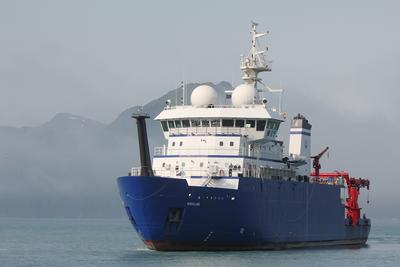
    These cruises utilize funding provided by the University of Minnesota. Chief Scientists will be completing seed research cruises or using their ship time to take graduate and undergraduate students on the research vessel Blue Heron.

    Sep 25, 2023 · 1 d

    Western Lake Superior

  • Completed

    Sea trials of HWCP - 1

    Glenn Carter · Hawaii

    We have developed a unique multidisciplinary 11-km depth rated Hadal Water Column Profiler (HWCP) which allows observations in one of the most poorly studied regions on the planet -- waters in the deep ocean trenches. This free-falling profiler makes repeated vertical profiles of temperature, conductivity, and dissolved oxygen (each with redundant sensors), turbulent microstructure (mixing), horizontal velocity, and 200 kHz bioacoustic backscatter. It also records video, and has a small 11 bottle water sampler. Its design allows for multiple profiles per day, even in the deepest ocean trenches. The HWCP was developed using funds from the W. M. Keck Foundation. As part of the Keck proposal the Dean of the University of Hawaii's School of Ocean Earth Science and Technology (SOEST) provided 2 days of R/V Kilo Moana time for testing. This testing took place in December 2021, when we successfully conducted eight cast. Four were tethered in order to verify the ballast release logic. The final four were untethered and included one at night and to approximately 2000m depth. These tests showed that the HWCP is a functioning profiler with working system integration, release logic, and functional sensors. However, more at-sea testing is needed to allow the HWCP to reach its potential as a cutting-edge scientific instrument ready for research expeditions. In particular, the descent / ascent rates, and rotation period need tuning, and on the 2021 cruise we only tested a half-scale prototype of the water sampler.

    Sep 23 – Sep 26, 2023 · 3 d

    In the lee of the island of Oahu. Most likely off Barbers Point.

  • Completed

    Mixation II

    Zeynep Erdem · NIOZ

    In August, we recovered moorings from this project. one of them (M2) stayed in place and after the work was done we received the signal that it was drifting. This project is a recovery attempt for the adrift M2 Mooring.

    Sep 23 – Sep 25, 2023 · 2 d

    Bermuda

  • Completed

    Cha Ba Mooring 2023

    Robert Kamphaus · UW

    Fall mooring turnarounds to swap summer and winter moorings. CTD stations and net tows to document conditions related to ocean acidification.

    Sep 23 – Sep 26, 2023 · 4 d

    Pacific NW

    Sails with 1 other project

  • Completed

    SOCCOM

    Lynne D. Talley · SIO

    The Southern Ocean Carbon and Climate Observations and Modeling (SOCCOM) program seeks to improve understanding of the carbon cycle in the Southern Ocean, through a combination of field observations, ESM modeling, and state estimation. The field portion is deployment and maintenance of a circumpolar array of biogeochemical (BGC) Argo floats, with the nominal full coverage being 200 floats. On RR2309, SOCCOM will deploy 6 BGC Argo floats as part of growth and maintenance of the array. Details of the full array can be found on the project website http://soccom.princeton.edu . There will be no request for accompanying hydrographic station work, although collection of water samples from the underway seawater system might be requested if there is a SOCCOM ship rider aboard the cruise.

    Sep 22 – Oct 13, 2023 · 21 d

    South ATL

    Sails with 1 other project

  • Completed

    Atlantis · WHOI

    OOI Endurance Array OM Fall 2023

    Edward Dever · OSU

    Located in the Northeast Pacific Ocean off the coasts of Oregon and Washington, the Endurance Array is part of a regional observatory network that includes OOI, Station Papa, and Ocean Networks Canada. Measurements taken by this network collectively capture variability of ocean properties across a broad range of temporal and spatial scales. They allow examination of ocean health issues, including hypoxia, ocean acidification, and harmful algal blooms. The Coastal Endurance Array is made up of two cross-shelf moored array lines. The Oregon Line, off the coast of Newport, Oregon, is located at 44° 35’N, from 125°W to coast. The Washington Line, off Grays Harbor Washington, is located at 47oN, from 125oW to the coast. Gliders move and collect data around, along, and between these lines. Two Endurance Array sites include platforms connected to OOI’s Regional Cabled Array. The Coastal Endurance Array is designed to observe cross-shelf and along-shelf variability in the region. Each line contains three sites spanning the slope (~500-600 m), shelf (~80-90 m) and inner-shelf (~25-30 m). The three sites across the shelf and slope are associated with characteristic physical, geological, and biological processes. All six sites contain fixed sensors at the top and bottom of the water column paired with an adjacent water column profiler. The Oregon and Washington Lines are both affected by wind-driven upwelling and downwelling, but shelf stratification and upper-ocean properties are influenced differently by the Columbia River. The Washington Line is north of the Columbia River outflow and the Oregon Line is south of it. Observations on both sides of the river outflow allow for a greater understanding of regional coastal ocean ecosystem responses. Mooring lines provide synoptic, multi-scale observations of the eastern boundary current regime. Coastal gliders bridge the distances between the fixed sites and allow for adaptive sampling.

    Sep 21 – Oct 7, 2023 · 16 d

    Oregon and Washington shelf and slope

  • Completed

    Blue Heron · UMN

    UMN cruise 2023

    Richard Ricketts · UMN

    These cruises utilize funding provided by the University of Minnesota. Chief Scientists will be completing seed research cruises or using their ship time to take graduate and undergraduate students on the research vessel Blue Heron.

    Sep 21, 2023 · 1 d

    Western Lake Superior

  • Completed

    Blue Heron · UMN

    UMN cruise 2023

    Richard Ricketts · UMN

    These cruises utilize funding provided by the University of Minnesota. Chief Scientists will be completing seed research cruises or using their ship time to take graduate and undergraduate students on the research vessel Blue Heron.

    Sep 20, 2023 · 1 d

    Western Lake Superior

  • Completed

    LMP-01

    Robert Morris · UW

    Bacteria and their viruses dominate the ocean and are important drivers of elemental cycles. Spatial and temporal differences observed in the abundances of bacteria and their viruses are the primary factor underlying hypotheses to explain the host-virus interactions that maintain these large and genetically diverse populations. Here we propose to identify additional factors that drive host-virus dynamics in the ocean by using metagenomics, cultivated systems, and models to predict conditions that activate latent phages. SAR11 are the most abundant heterotrophic bacteria in the ocean. We recently isolated the first known SAR11 cells with latent bacterial viruses (temperate phages) in their genomes (prophages). Our analyses indicate that similar phages are common in the global ocean and that they become active under carbon-limiting conditions. While this supports a growing body of evidence that temperate phages have essential roles in marine microbial ecology and biogeochemistry, it also underscores the need to identify additional variables governing host-virus relationships. This study seeks to identify specific chemical and physical parameters that activate latent phages in SAR11 cells, to elucidate the effects of these variables on the genetic networks that regulate inactive (lysogenic) and active (lytic) switching, and to model the outcomes of similar latent phages in diverse marine ecosystems. This project also represents a unique opportunity for training of a new principal investigator, a graduate student, and several underrepresented, under-privileged, and non-traditional undergraduate students from the GenOM Project at the University of Washington and the BIG Summer and PEERS programs at the University of California, Los Angeles. Oceanography is currently low-diversity and has significant barriers to entry for underrepresented students. Empowering undergraduate student collaborations and providing hands-on experience has great potential to enhance diversity in the coming years. The outreach activity we propose will introduce under-represented and non-traditional undergraduate students from both institutions to seagoing research. The educational component will also give students with computational and laboratory backgrounds an opportunity to share results and form new collaborations. This is a unique opportunity to expose students from disadvantaged communities to potentially life-changing ‘hands-on’ oceanography.

    Sep 18 – Sep 22, 2023 · 4 d

    Puget Sound Main Basin and the Hood Canal

  • Completed

    BATS 2023 - 8of12

    Nicholas R. Bates · BIOS

    Long-term observations over several decades are a powerful tool for investigating ocean physics, biology, and chemistry, and the response of the oceans to environmental change. The Bermuda Atlantic Time-Series Study, known as BATS, has been running continuously since 1988. The research goals of the BATS program are: (1) to improve our understanding of the time-varying components of the ocean carbon cycle and the cycles of related nutrient elements such as nitrogen, phosphorus, and silicon; and, (2) to identify the relevant physical, chemical and ecosystem properties responsible for this variability. In addition, the BATS program has strong and diverse broader impacts, contributing to the field of ocean sciences by providing high quality ocean observations and data for seagoing scientists and modelers, and a framework through which researchers can conceive and test hypotheses. This award will support the operations of the BATS program for five more years. The primary BATS research themes are as follows: (1) Quantify the role of ocean-atmosphere coupling and climate variability on air-sea exchange of CO2, and carbon export to the ocean interior; (2) Document trends and the controls on the interannual to decadal scale variability in carbon and nutrient cycles to their coupling in the surface and deep ocean via the Redfield Ratio paradigm; (3) Quantify the response of planktonic community structure and function, and impact on biogeochemical cycles to variability in surface fluxes and dynamical processes; (4) Facilitate development, calibration and validation of next generation oceanographic sensors, tools and technologies; and, (5) Generate a dataset that can be utilized by empiricists, modelers and students. This research integrates ocean physics, chemistry and biology into a framework for understanding oceanic processes and ocean change in the North Atlantic subtropical gyre. The existing 29 years of BATS data provide robust constraints on seasonal and interannual variability, the response of the Sargasso Sea ecosystem to natural climate variability, and signal detection of potential ocean changes. This project would extend the BATS program through years 31-35 to address a series of ten interlinked questions through integrated research approaches and a multitude of collaborative efforts. In addition to the themes above, and embedded into the ten questions and approaches, the BATS team will focus on, for example, coupling of particle production and biogeochemistry; revisiting the complexities of the biological carbon pump; oxygen decline; and changes in the hydrography, physics, ocean carbon cycle and biogeochemistry of the Sargasso Sea. The highest quality data observation and collection will be maintained and used to address these questions. Importantly, a wide range of collaborations at the BATS site, spanning the physical and biogeochemical disciplines, will aid these broad goals. Strong links to community stakeholders, and close collaboration (including methods intercomparisons and personnel exchanges) with the Hawaii Ocean Time-series are proposed. This work will extend the research findings of the project into educational and training opportunities within and beyond the oceanographic community, including training and mentorship of both undergraduate and graduate students.

    Sep 17 – Sep 22, 2023 · 5 d

    Atlantic

    Sails with 1 other project
  • Completed

    Hydro S - 2023 16of24

    Nicholas R. Bates · BIOS

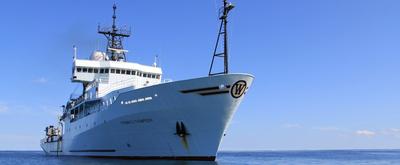
    One of the longest open-ocean hydrographic stations in the world is maintained at the Hydrostation S site (formerly known as the Panulirus site) located ~25 km southeast of Bermuda in the North Atlantic Ocean. This program of repeat biweekly hydrographic observations began in 1954 (by Hank Stommel) and now, in its seventh decade, has proved to be the catalyst for numerous studies of ocean physics, biological processes and biogeochemistry. Hydrostation S continues to be recognized as one of the most important sustained ocean time–series. The renewal of the Hydrostation S program is proposed herein, extending this invaluable time–series of ocean hydrography to almost 70 years. The upper ocean warming trend has strengthened (about +1.4° C since the 1970's; ~+0.8°C in last decade) with significant salinification (+0.16). Deeper waters such as the Labrador Sea Water has cooled by a few tenths of a degree and freshened with a marked decadal oscillation. The signature of deoxygenation has been observed at Hydrostation S in the upper ocean (about 4 µmoles kg -1 decade -1 decrease in dissolved oxygen) as well as the oxygen minimum zone (~2.5 µmoles kg -1 decade -1 ). Hydrostation S also supports the longest global ocean CO 2 and acidification time-series (from 1983 to present) The major objective of the proposal is to continue Hydrostation S into the eighth decade with numerous questions related to warming and cooling, salinification and freshening, deoxygenation and insights on biogeochemical changes over time. This program constitutes frequent water column sampling of temperature, salinity, and dissolved oxygen (and indirectly, sampling of important ocean carbon time–series) of the North Atlantic subtropical gyre at the Hydrostation S site. Such work is complementary to other sustained observations such as the Bermuda Atlantic Time–series Study (BATS) and Ocean Flux Program (OFP). We propose to carry out a similar sampling format that has been followed for the past 68 years. As for the past ten years, we would continue to conduct two CTD profiles to better capture the deep–water variability while maintaining all the previous discrete depths. The first CTD cast will profile to full ocean depth (3,300–3,500 m) while the second CTD cast will profile to 500 m (to allow for instrumentation not rated for full ocean depth such as a PAR sensor). One indirect objective will be to continue to collaboratively evaluate a BIOS-based glider program with Hydrostation S data as critically important ground truthing data. The existing glider program has challenging issue, and the aim of this effort is to use robust and highly accurate Hydrostation S data to test the capability of emerging technologies over the next five to ten years.

    Sep 17 – Sep 22, 2023 · 5 d

    Atlantic

    Sails with 1 other project
  • Completed

    PNW Foram Ecology 1 of 4

    Jennifer Fehrenbacher · OSU

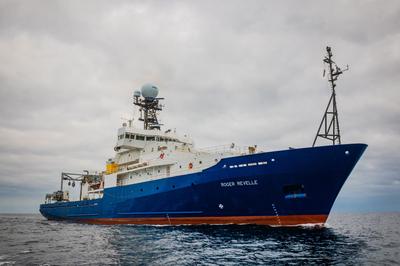
    The project will improve the utility of temperate and high-latitude planktic foraminifera in paleoclimate research and quantify the effects of modern climate change on foraminifera assemblages in the Northeast Pacific Ocean. The main objectives are to expand our knowledge of the ecology and environmental controls on the geochemistry of temperate and higher-latitude foraminifera species, quantify their response to modern changes in oceanographic conditions (specifically marine heat waves), and constrain foraminiferal geochemical signatures as they sink to the seafloor. This will be achieved through a significant field-based and laboratory effort that includes newly collected plankton tows, short-duration ship-based culture experiments, assemblage data from archived plankton tow samples, and the deployment of two moored sediment traps. The proposed multi-pronged sampling strategy will provide critical samples needed to understand the biogeochemistry and ecology of foraminifera in this important ocean margin region, increase their utility in understanding past oceanographic conditions, and lay the groundwork for understanding how high-latitude species will respond to future climate change. Highly controlled culture experiments will quantify trace element incorporation dynamics and mechanisms responsible for intrashell trace element variability in temperate to polar species. The results of these experiments will offer important information that can be used to interpret the geochemistry of fossil foraminifera in temperate to high-latitude regions, broaden our understanding of the controls on trace element incorporation in high-latitude and temperate foraminifera species, and improve their utility in paleoceanographic reconstructions. Sediment trap, plankton tow, and cultured specimens will be analyzed for their trace element and isotopic composition. Live captured specimens will be analyzed to determine their genotype and microbiome. Foraminifera and sediment trap samples not used by the PIs in this project will be archived at the OSU Marine Geological Repository for future studies by the scientific community.

    Sep 16 – Sep 20, 2023 · 4 d

    Recover and redeploy sediment traps near the NH line. Sample water column between NH 45 and NH 150

  • Completed

    SFER 2023 5 of 6

    Christopher Kelble · NOAA

    AOML SFP regional surveys over the southwest Florida shelf and the Florida Keys reef tract have been routinely performed via the University of Miami's R/V F. G. Walton Smith on a bimonthly basis. Sampling methodologies similar to those utilized on AOML SFP bay surveys (discrete sampling and flow-through measurements) have been employed on these regional research cruises.

    Sep 16 – Sep 23, 2023 · 7 d

    Miami, Keys reef tract , and West Florida Shelf

  • Completed

    HOT 2022 - 341 (7)

    angelicque white · UH

    Systematic long-term (greater than a few decades in length) time-series observations of aquatic and terrestrial environments have led to a more comprehensive understanding of the natural ecosystem variability and have enabled an assessment of human impacts on ecosystem dynamics. Because of their ability to store and transport large amounts of heat and to absorb carbon dioxide from the atmosphere, the world's oceans play a critical role in modulating environmental conditions for the sustained well-being of both land-based and marine organisms including humans. Despite their recognized scientific and societal importance, long-term records of key ocean processes are rare. In 1988, two ocean time-series programs were established: one in the North Atlantic near Bermuda and the other, the Hawaii Ocean Time-series (HOT) program, near Hawaii. For the past three decades, teams of scientists based at the University of Hawaii have made critical measurements of the 'state of our sea.' These long-term observations have established a baseline against which future states can be compared. The ship-based HOT program complements other diverse ocean observation programs including remote-sensing via satellites, moored buoys, profiling floats, and autonomous underwater vehicles. All HOT program data are publicly available and are frequently used by researchers and policy makers around the world.

    Sep 15 – Sep 19, 2023 · 4 d

    Station ALOHA is the long-term study site for the HOT program

  • Completed

    Sally Ride · SIO

    NOPP IWR 2023 Fall

    Amy Waterhouse · SIO

    We will deploy an internal-wave-resolving (IWR) array to measure the propagation of the displacement and velocities signals of low-mode internal waves, which contain most of the internal wave SSH variability. The IWR Array deployment focuses on the SWOT Cal/Val site off the coast of California with partial-array deployment in early 2023 (2 PIESs) to coincide with the 90-day fast repeat SWOT orbit. Thereafter, the deployment of the full IWR Array from Fall 2023 through mid-2024 will capture the seasonal variability in the tidal and near-inertial internal waves, extending the NOPP measurements for a full year beyond the 3-month SWOT cal/val period.

    Sep 13 – Sep 25, 2023 · 12 d

    Offshore California

  • Completed

    WOAC-2023-Fall

    Jan Newton · UW

    Washington Ocean Acidification (WOAC) in Puget Sound

    Sep 11 – Sep 16, 2023 · 4 d

    Puget Sound

  • Completed

    Savannah · SkIO

    UMCES ChesBay Plume

    Ryan J. Woodland · UMCES

    There is a clear need to develop our understanding of how plumes affect the benthic component of shallow, temperate shelf ecosystems, particularly in regards to the benthic faunal communities. The benthos plays a key role in the dynamics of plume-shelf systems, acting to assimilate deposited allochthonous and autochthonous particulate organic matter (POM), modulate local biogeochemical fluxes and cycling, and fill a critical ecological function as forage for higher trophic levels. Despite evidence of the importance of these benthic communities in contributing to ecosystem dynamics in these shelf environments, a mechanistic understanding of how these communities are structured spatially and temporally in response to plume inputs or how biologically-mediated processes such as nutrient flux rates covary with benthic communities across plume gradients, remain critical knowledge gaps. The overarching goal for this project is to determine how the magnitude and reactivity of organic matter inputs and environmental conditions associated with a large, spatially and temporally dynamic estuarine plume affects an inner continental shelf benthic community. We specifically seek to quantify the benthic community response to seasonally and spatially variable patterns of organic matter deposition, both labile and refractory, associated with plume conditions. We will use a combination of observational and experimental approaches to quantify the history of plume-driven conditions and particle transport and deposition and then quantify through experiments and numerical model simulations how the magnitude and reactivity of POM deposited to sediments controls the structure and metabolism of the benthic community. We will use these approaches to address hypotheses that predict benthic biomass, biodiversity, and secondary production to be stimulated by POM inputs both seasonally and spatially, but this stimulation will be modulated by feeding mode, past exposure to plume influence, lability of depositing organic matter, and physical forces (e.g., temperature, salinity, bed stress) imposed by hydrodynamic variations. Our project blends aspects of benthic ecology, biogeochemistry, and coastal hydrodynamics in an effort that merges discrete observations, incubation experiments, and numerical modeling in a synthesis that will deliver new insights into the role of benthic communities in responding to – and influencing – plume-coastal ocean interactions. The proposed research will help fill these knowledge gaps by identifying key relationships between plume-associated conditions and benthic community structures and processes, and experimentally testing associated ecological and biogeochemical rates. This knowledge is central to accurately coupling estuary-ocean food web models and is becoming ever more pressing in the face of anthropogenic pressures given long-term shifts in regional climate and the changing frequency and severity of extreme weather events in many regions. In addition to advancing our scientific understanding of plume-shelf dynamics, this project will provide STEM training directly to early career scientists and students from a variety of backgrounds. The PIs will leverage an established collaborative internship program with a regional community college to offer hands-on STEM learning opportunities to students from historically underserved segments of the undergraduate population (e.g., first generation students, students of color). Non-biological STEM undergraduates in a computer science course will be engaged through a focused video game design project in which students design, program and present a video game that models a central element of the project as a tool for engaging the public. Several National Science Foundation-funded Research Experience for Undergraduates (REU) fellows will be invited to participate in this project with tailored summer projects that incorporate aspects of this proposal and the REU's own interests. Training opportunities will be provided to the graduate student to develop mentoring skills through direct interaction with undergraduate interns, and to practice science communication through public outreach activities on and off-campus. In addition to training the next generation of scientists, this research will be shared with regional fisheries management groups to ensure relevant information (e.g., drivers of inner shelf benthic forage availability) is available for ecosystem-based management applications and with the general public through seminars and structured interactive events (e.g., institutional open house events).

    Sep 11 – Sep 19, 2023 · 8 d

    Chesapeake Bay mouth and adjacent shelf waters

  • Completed

    Sikuliaq · UAF

    CEO-AMBON

    Seth Danielson · UAF

    This cruise will visit long-term monitoring stations and mooring sites in the Chukchi Sea. It will support core AMBON water column and benthic sampling activities at a select set of the standard AMBON stations, and would enable the 2023 annual turn-around of the CEO mooring cluster near Hanna Shoal.

    Sep 10 – Oct 4, 2023 · 24 d

    Northern Bering and Chukchi Seas

    Sails with 1 other project

  • Completed

    Sikuliaq · UAF

    DBO-EcoFOCI

    Jacqueline Grebmeier · UMCES

    The two-fold mission of the proposed research cruise on the RV Sikuliaq is to 1) occupy the Distributed Biological Observatory (DBO) standard stations for the purpose of hydrographic CTD/rosette sampling, vertical zooplankton net tows and benthic and sediment sampling using Van Veen grabs, and 2) turn around a suite of NOAA moorings and the Chukchi Ecosystem Observartory (CEO) mooring in the Chukchi and northern Bering Seas. This cruise is a partnership of the DBO with the Arctic Marine Biodiversity Observation Network (AMBON), the Chukchi Ecosystem Observatory (CEO), and NOAA’s Ecosystems and Fisheries Oceanography (EcoFOCI) programs to achieve objectives of participating programs. The Alaska Ocean Observing System (AOOS), North Pacific Research Board (NPRB) and AMBON through the National Ocean Partnership Program (NOPP) all contribute to the CEO mooring operations near DBO4, with the NPRB supporting a sediment trap mooring at the M8 NOAA mooring cluster near DBO1 in the northern Bering Sea. AMBON supports eDNA collections at DBO stations as well as cross-data evaluation through the NOAA Arctic Research Program water column and benthic DBO data collections. The Alaska Harmful Algal Bloom (HAB) network (NOAA and NSF funding) supports water column and sediment studies. EcoFOCI and the NOAA Marine Mammal Lab maintain a large number of mooring sites across the Bering and Chukchi seas, some of which were serviced during this cruise. The US Fish &Wildlife Service will provide a seabird observer for the cruise.

    Sep 10 – Oct 4, 2023 · 24 d

    Northern Bering and Chukchi Seas

    Sails with 1 other project

  • Completed

    SP23 San Diego to Newport Transit

    Hannah Delapp · SIO

    Sep 7 – Sep 13, 2023 · 6 d

    USWC

  • Completed

    Sally Ride · SIO

    SR23 Newport to Alameda Transit

    Hannah Delapp · SIO

    Sep 7 – Sep 9, 2023 · 2 d

    USWC

  • Completed

    Fats in the ocean-Atlantic

    Benjamin Van Mooy · WHOI

    The Production and Fate of Fats in the Upper Ocean Phytoplankton, microscopic photosynthetic organisms in the ocean, produce a type of fat called triaclyglycerols (TAGs). A recent discovery in the North Pacific Ocean showed that a significant percentage of primary production from phytoplankton is devoted to producing TAGs. This suggests that TAGs may serve as a source of energy for phytoplankton at night, when they are unable to generate energy from photosynthesis. Phytoplankton are the base of the food web in the ocean. Therefore, it is important to understand how they create and store energy. This project will investigate the role of fats in the ocean. Specifically, this research will look at: 1) factors that affect the production and use of TAGs by phytoplankton and 2) how TAGs contribute to the global carbon cycle. This project will support the training and education of graduate students. This project will also provide resources for mentoring high school students, support summer research experiences for high school and undergraduate students, and offer field trips for 7th grade students.

    Sep 5 – Sep 11, 2023 · 6 d

    Sargasso Sea- Two 3-day Langrangian stations in location chosen based on satellite data.

  • Completed

    Endeavor · URI

    Labrador freshwater (year 1)

    Nicholas Foukal · WHOI

    The Labrador Coastal Current (LCC) transports fresh outflow from the Canadian Arctic Archipelago, Hudson Bay, and the Greenland Ice Sheet southward along the Newfoundland and Labrador Shelf. If mixed offshore into the boundary current of the subpolar gyre, the fresh water in the LCC has the potential to stratify the upper ocean and alter the Atlantic Meridional Overturning Circulation (AMOC). Yet very little is currently known about the transport of the LCC and whether the LCC interacts with the large-scale North Atlantic circulation, or remains on the shelf around the Grand Banks. This project would study the fate of the LCC and its transport along the Canadian Labrador and Newfoundland coastlines. Using a combined Eulerian and Lagrangian observational study, the project would examine whether the fresh, buoyant water in the LCC moves off the shelf to join the Labrador Current, hypothetically due to a combination of the region’s complex bathymetry and strong wind forcing. The work would support an early career researcher, provide project material for a summer undergraduate intern, and involve 7 students with cruise experience as watch standers. Four moorings will be deployed in summer for one year, along the Canadian Atlantic Zone Monitoring Program (AZMP) Seal Island hydrographic section inshore of Hamilton Bank, which will provide the first continuous volume and freshwater transport time series of the LCC. In addition, 46 surface drifters will be released into the LCC, in subsets at 15 day intervals, by three moored Submerged Autonomous Launch Platforms (SALPs). Two cruises will be conducted along the deployment and recovery efforts, collection high-resolution shipboard ADCP and CTD surveys of the Newfoundland and Labrador Shelf. Together with the historical AZMP hydrographic sections, the project will quantify transport and track the pathways and fate of the fresh water in the LCC, and will identify hot spots of shelf-basin exchange. Timing of the NASA Surface Water and Ocean Topography (SWOT) satellite launch and three-month “Fast- Sampling Phase” with daily flyovers may coincide with the drifter releases, and would provide high-resolution sea-surface height (SSH) and surface geostrophic velocities of the inner shelf, potentially broadening the spatial and temporal extent of this targeted study.

    Sep 4 – Sep 27, 2023 · 23 d

    Labrador Shelf

  • Completed

    Pelican · LUMCON

    MRDF Survey

    Jason Chaytor · USGS

    This project is a continuation of previous data collection activities on the Mississippi River Delta Front and contributes to an ongoing multi-Federal agency effort to evaluate the current surfical extent, event history and impact on seafloor pipelines/platforms of mudflows in Mississippi Delta region. These data will provide the essential framework for future sampling, modeling and monitoring activities.

    Sep 3 – Sep 29, 2023 · 27 d

    Mississippi River Delta Front

  • Completed

    DON-2023

    Anitra Ingalls · UW

    Field studies and laboratory experiments proposed here will test the hypothesis that metabolites are quantitatively significant forms of carbon and nitrogen flowing through microbial communities. To this end, the identity, quantity, and production rates of metabolites will be determined. For homarine, the enzymes and organisms responsible for its transformations will be determined. Specific proposed activities will 1) Quantify nitrogenous metabolite pools and their net production rates (particulate and dissolved) in phytoplankton cultures and in marine surface water communities; 2) Isolate homarine consuming heterotrophic bacteria and use mutagenesis techniques, transcriptomics, and stable isotope assisted metabolomics to annotate genes and characterize the biochemical reactions involved in the degradation of homarine; 3) Carry out incubations of stable isotope labeled homarine in phytoplankton cultures (both homarine producers and non-producers), heterotrophic bacterial cultures sensitive to homarine, and natural communities to quantitatively evaluate the effect of homarine on growth, track homarine through metabolic pathways, and determine the kinetics of homarine uptake; 4) Identify homarine consumers and biochemical pathways for homarine use in the environment by mining existing environmental metatranscriptomes for homarine catabolism genes. The combination of approaches used in the work proposed here are a model for envisioning the flow of nitrogen containing metabolites through marine microbial ecosystems.

    Aug 31 – Sep 6, 2023 · 6 d

    Puget Sound and

  • Completed

    STEMSEAS

    Sharon Cooper · LDEO

    The science, technology, engineering and mathematics (STEM) workforce is crucial to the U.S. health and economy, yet retention rates in STEM fields are poor, and the Geoscience community in particular is faced with a looming workforce shortage. Moreover, the Geoscience community continues to lack the diversity of the population at large. The STEM Student Experiences Aboard Ships (STEMSEAS) project is a 3-year partnership between the Indiana University of Pennsylvania, Lamont Doherty Earth Observatory at Columbia University, and the University National Oceanographic Laboratory System (UNOLS) aimed at addressing three priorities: (1) increasing the number and diversity of students pursuing degrees and careers in geosciences; (2) preparing students for all possible career trajectories in the geosciences; and, (3) contributing to the evidence base for effective student engagement, learning and retention in STEM. The STEMSEAS project is achieving these goals by taking advantage of unused berthing capacity available on UNOLS vessels as they transit between U.S. ports in preparation for their next scientific expedition. These short (~5-7 days) transits offer a unique mobile classroom setting where undergraduate non-STEM, undecided-STEM, and geoscience majors can be exposed to geoscience professional practice and career exploration. By partnering with UNOLS and campus ?champions" at universities, including minority-serving institutions (MSIs) and historically black colleges and universities (HBCUs), the project sends diverse cohorts of students to sea with a small team of geoscience faculty and mentors. STEMSEAS is built on a pilot-project that sent three cohorts (~10 undergraduate students each) selected from an applicant pool of ~875 students on three different research vessels during 2016. The pilot-project demonstrated the logistical feasibility of the program, and showed through preliminary data a strong potential for positive impact. While at sea, the students engage in a variety of hands-on activities that incorporate geoscience content, lab exercises, data collection/analysis, career exploration, and discussion/reflection. Upon completion of a transit, each participant is required to complete a post-expedition project, which they present back at their home institution, write a short article about their experiences, and participate in post-expedition webinars with other cohort members. The STEM Student Experiences Aboard Ships (STEMSEAS) project is a 3-year initiative aimed at addressing three priorities: (1) increasing the number and diversity of students pursuing degrees and careers in geosciences; (2) preparing students for all possible career trajectories in the geosciences; and, (3) contributing to the evidence base for effective student engagement, learning and retention in STEM. Application materials and evaluation surveys are providing data to assess the impact of the STEMSEAS project on student knowledge of and attitudes toward the geosciences and geoscience careers. The STEMSEAS project is designed to add to the evidence base regarding what kinds of experiences and interventions help to increase retention and persistence in geoscience-related majors, and what strategies are most effective at increasing the number and diversity of students entering the geoscience workforce pipeline. By creating innovative learning experiences on board charismatic research vessels, STEMSEAS is gathering data on the effectiveness of novel approaches for engaging students who may never have considered the geosciences as a field of study or career, students who are interested in the geosciences but are unsure of what direction to go, and STEM-interested students who may not have considered the specifics of the geosciences. Through these immersive experiences, STEMSEAS is exploring the effectiveness of short-term but intense learning activities.

    Aug 28 – Sep 7, 2023 · 9 d

    Off shore Hawaiian Islands

NewerPage 35 of 55Older