VesselConnect
  • Completed

    GA-ZRay-01

    Matt Fish · GA

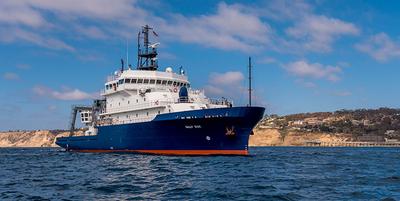
    This project will be conducted to support 3 days of testing of the ZRay vehicle. The vehicle will be run through a variety of speed and depth profiles while using the Sproul as the launch and recovery ship.

    May 10 – May 12, 2024 · 1 d

     12 miles west of San Diego: 32d 41m N, 117d 29m W

  • Completed

    Blue Heron · UMN

    UMN cruise 2024

    Richard Ricketts · UMN

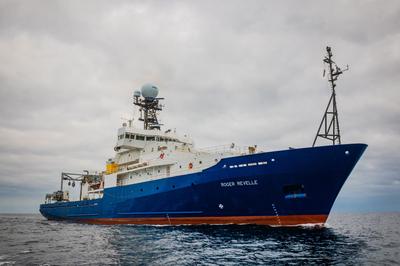
    These cruises utilize funding provided by the University of Minnesota. Chief Scientists will be completing seed research cruises or using their ship time to take graduate and undergraduate students on the research vessel Blue Heron.

    May 10, 2024 · 1 d

    Western Lake Superior

  • Completed

    Pelican · LUMCON

    TRW Antenna deployment

    D R. Watts · URI

    Strong near-bottom currents have been observed in deep water approaching the northern Gulf of Mexico. They have characteristics like Topographic Rossby Waves (TRWs) and intensify particularly along Sigsbee Escarpment, where oil and gas (O&G) operations are impacted. The strong near-bottom currents are undetectable or difficult to detect from observations near the sea surface. We propose to deploy an array of ten bottom-mounted CPIES and ADCP-PIES arranged within the incoming pathway for TRWs, and to demonstrate a method to retrieve the data adaptively when needed in near real time. From the propagation group speed of TRWs and the distance to the "moored TRW-antenna" back along the pathways of propagation of TRWs, we estimate that energetic packets of TRWs will take 10-14 days to reach the north-eastern Sigsbee Escarpment and an additional 10-17 days to the south-western Sigsbee Escarpment. This can potentially provide 14-30 days warning of approaching strong-current packets to O&G rigs along the Sigsbee Escarpment.

    May 9 – May 14, 2024 · 5 d

    Gulf of Mexico.

  • Completed

    Pressure effects, microbes

    Carol Arnosti · UNC

    Heterotrophic bacteria and archaea (here: microbes) are critical drivers of the ocean’s biogeochemical cycles, active throughout the depth of the ocean. Their capabilities and limitations help determine the rates and locations at which carbon and nutrients are regenerated, as well as the extent to which organic matter is preserved (Hedges 1992). In the deep ocean, at bathy- and abyssopelagic depths (ca. 1000-6000 m), these communities are dependent upon the sinking flux of particulate organic matter (POM) from the surface ocean (Bergauer et al. 2018). This dependence means that heterotrophic microbial communities must produce the extracellular enzymes required to solubilize and hydrolyze high molecular weight (HMW) POM to sizes substrates suitable for cellular uptake. A recent global-scale investigation of deep-sea microbes in fact found that the genetic potential for exported (extracellular) enzymes among bacteria in deep waters was far greater than for communities in surface or mesopelagic waters (Zihao et al. 2020). We have new evidence that a substantial fraction of bacteria in bottom water from the North Atlantic Ocean use a specialized set of extracellular enzymes to rapidly take up HMW polysaccharides (Giljan et al. 2021), a substrate processing mechanism that would not be detected with the low molecular weight substrates used in most prior studies of microbial activity in the deep ocean (Nagata et al. 2010). However, our study – as well as the majority of prior investigations of deep sea microbial communities (e.g., Yokokawa et al. 2013) – was carried out with bottom water incubated at atmospheric pressures. Although pressure profoundly affects the activities of marine microbes (Tamburini et al. 2013), most investigations of microbial communities of the deep sea are carried out at atmospheric pressure (Nagata et al. 2010), due to limited availability of specialized equipment. Through our collaboration with the Danish Center for Hadal Research, we are positioned to characterize the effects on microbial communities and their extracellular enzymes of pressures characteristic of bathy- and abyssopelagic depths. At sea and in the lab, we will compare the effects of depressurization on the activities of enzymes produced by microbial communities of the deep ocean, as well as the effects of high pressure on surface-water derived enzymes and communities. Fieldwork will take place in Danish coastal waters, well as in the open North Atlantic and Pacific Oceans. Using pressurization systems and in situ incubations, we will measure hydrolysis rates of peptides and polysaccharides, two of the major classes of marine organic matter (Hedges et al. 2001). In collaboration with colleagues from the Max Planck Institute for Marine Microbiology, we will investigate possible pressure effects on selfish uptake of polysaccharides. These studies will greatly advance our understanding of pressure effects on the initial step of organic matter degradation by heterotrophic microbial communities of the ocean.

    May 8 – May 28, 2024 · 20 d

    western North Atltantic

  • Completed

    glacier-microFloats-puget-sound-2024

    Trevor Harrison · UW

    We plan to deploy microFloats - a new, buoyancy-controlled underwater float - around Three Tree Point, in Puget Sound, WA. The primary objective of the field campaign is an engineering validation of the microFloats in support of a broader effort investigating glacier-ocean interactions in LeConte Bay, AK. Prior to the full-field experiment at LeConte, we seek to validate the system upgrades in an accessible location with flow dynamics that will clearly demonstrate the new capabilities. Three Tree Point, a 1-km scale headland in south Puget Sound, has an associated subsurface ridge angling down into the main channel. As tidal flows are accelerated past the headland, the topography produces flow separation and eddies. The scale and features of the site provide an ideal opportunity to validate the new isopycnal and 3D-Lagrangian control strategies. While the focus of the work is instrumentation verification, the anticipated data set is expected to have scientific interest as well.

    May 6 – May 10, 2024 · 4 d

    Puget Sound

  • Completed

    Sea scallop survey

    Nathan Keith · NOAA

    This cruise surveys the pre-recruit and fully recruited segments of the Atlantic sea scallop resources from Virginia through Georges Bank, generating fishery independent estimates of biomass and size composition. These estimates are used to conduct a quantitative stock assessment for this species. We estimate 450 scallop dredge hauls, 150 CTD profiles, and towed HabCam.

    May 4 – May 25, 2024 · 21 d

    Virginia to Georges Bank

  • Completed

    Endeavor · URI

    NES-LTER-2024-2of4

    Heidi Sosik · WHOI

    NES-LTER cross-shelf transect cruises are conducted between Martha’s Vineyard and the continental shelf break directly south. The overarching goal of the NES-LTER is to understand and predict how planktonic food webs change through space and time in response to changes in the physical environment, and how those changes impact ecosystem productivity, including of higher trophic levels. Observations and models are focused on processes and mechanisms that structure pelagic food webs, trophic transformations, and productivity, as well as the key interactions and feedbacks that modulate relationships among them. NES-LTER transect process cruises are focused on characterizing cross-shelf distributions of physical properties, nutrients, production rates, and plankton. Approximately 11 stations will be occupied in waters depths typically less than 200 m, but up to ~1600 m. Operations will include underway sampling of biological and chemical properties with science-provided instruments, CTD/rosette casts, net tows, on-deck incubations, and deployment of a towed vehicle.

    May 3 – May 8, 2024 · 5 d

    New England Shelf

  • Completed

    Sally Ride · SIO

    Vertical migrator aerobic scope

    Brad Seibel · USF

    We propose to measure the temperature- and oxygen dependency of aerobic scope and to use a recently derived relationship between metabolic traits to model the corresponding metabolically available habitat for several dominant vertical migrators. In contrast to coastal species, we hypothesize that diel migrators experience unique selective pressures across their depth range and, as a result, aerobic scope is enhanced at high temperature. To test these hypotheses and map their real world implications we need to 1) measure the active and resting metabolic rates of multiple migratory species across a range of temperatures and oxygen levels, 2) compare the biogeography modeled from metabolic traits with the actual distribution of migrators, and 3) determine whether aerobic scope, beyond the proposed benchmark level, influences performance (e.g. survival and recovery from hypoxic stress), which likely influence fitness and biogeography. In conjunction with a novel depth sampling strategy and acoustic and hydrographic measurements, the proposed physiological measurements will provide insight into the energetic constraints and opportunities that influence native and future habitats. We have proposed two cruises, 21 days each, both in Guaymas Basin, Gulf of California.

    May 2 – May 21, 2024 · 19 d

    Guaymas Basin

  • Completed

    DOC CRM 2024 1 of 2

    Dennis Hansell · UMIAMI

    Dissolved organic carbon (DOC) in the world ocean is part of the global carbon cycle that interacts with the planetary climatic system through its connection with atmospheric carbon dioxide. Keeping track of this DOC requires the cooperative effort of many marine laboratories worldwide. Making sure that all of these laboratories are making accurate DOC measurements requires that each one have access to a standardized sample of seawater for which the DOC concentration is set by international consensus. This award will fund the University of Miami to continue a consensus reference material (CRM) program that was first developed in 1998 in support of consistent, high quality measurements of dissolved organic carbon by the international ocean chemistry community. With continuation of this work, the US and international communities will create with confidence consistent measurements of a major marine carbon reservoir, thereby advancing society’s ability to assess changes in the marine carbon cycle and the role of the ocean in climate change. With continued strong international efforts to investigate the marine carbon cycle, the existing CRM program provides the necessary benchmark for globally comparable marine DOC measurements. Water from the deep Florida Strait (~42 mol/kg DOC) will be collected, ampoulated, and distributed to the US and international community. Since program launch, ~228,000 vials of reference waters have been distributed to ~240 US and international laboratories in 45 nations, currently at a rate of ~27,000 vials/year. With renewal of the reference material program for an eigth 3-year period of support, distribution of deep ocean water containing biologically refractory dissolved organic carbon and low carbon reference water will continue to aid the analytical work of the DOM community.

    May 2, 2024 · 1 d

    Florida Strait east of Key Biscayne, Florida

  • Completed

    EAT-SLE-2023

    Tammy Russell · SIO

    Along the California Current Ecosystem (CCE), Point Conception is an important transition zone between the central and southern biogeographic regions in this eastern boundary current. Within the CCE, there are five National Marine Sanctuaries (NMS), or regions designated as cultural and/or ecological importance, however the productive transition zone around Point Conception is a large gap in the NMS system. The proposed Chumash Heritage NMS (CHNMS) would encompass Point Conception and connect to Monterey Bay NMS in the North, down to the Santa Barbara Channel in the South and extend offshore to include ecologically important deep sea habitats including Santa Lucia Bank. CHNMS is currently going through public comment and review by NOAA’s Office of NMS. This region is also under negotiations for offshore wind energy, which will likely lead to a compromise in shifting CHNMS boundaries to accommodate these wind farms. Our proposed sampling location is the northern Santa Lucia Escarpment, which is in one of these regions that is under consideration for removal from the CHNMS designation. Although there has been heavy sampling in the southern part of the Santa Lucia Bank and southern section of the escarpment (e.g. CalCOFI, buoys), the northern part has had limited exploration. We were alerted to this region by using historic seabird data (1980-2017), where we found that the northern section of the escarpment captures higher seabird relative abundance (# of birds per km 2 surveyed) and diversity (Shannon Index and Simpson’s Index) compared to the southern section and other offshore regions surrounding this area. On a recent mini-CalCOFI cruise to this region (October 2022), we recorded high numbers of both minke and humpback whales within a 20 km longitudinal transect, which supports the hypothesis that this area has enhanced marine predator presence. These observations led to the question of what could be the drivers of these patterns and are these observations of abundant marine predators an indicator of an underlying productive region that has yet to be identified? To answer this, we need a better understanding of the bottom-up processes in this region, and to characterize other components of this offshore food web. We propose to revisit the northern Santa Lucia Escarpment and survey along and across this slope from the Santa Lucia Bank to its depth (~4,000 m). Along this slope, we will gather data on local water masses and currents, chlorophyll patterns, the abundance and community of lower trophic level organisms, and collect additional data on seabirds and marine mammals to investigate this potential ecological hotspot. In addition to our focus on this region, we will also collect seabird, mammal, and water mass data from transects around the escarpment to further understand ecological patterns in this region and put our focused results in the context of the surrounding region. This cruise will not only fulfill our goals of understanding of the bottom-up processes in this region and characterizing other components of this offshore food web, but will also assist with some of the participants PhD research.

    May 1 – May 8, 2024 · 7 d

    Santa Lucia Escarpment

  • Completed

    CEWA 590

    Jim Thomson · UW

    Two education days on the Carson in spring 2024 in support of CEWA 591, which also counts for OCEAN 517, at the University of Washington. Class focus is oceanographic and marine meteorologic measurements, especially instrumentation.

    Apr 30 – May 2, 2024 · 2 d

    Puget Sound main basin

  • Completed

    Transit MX - FL

    Hannah Delapp · SIO

    Apr 29 – May 12, 2024 · 13 d

    USWC

  • Completed

    SIO145

    Anela Choy · SIO

    SIO 145 (Field Methods in Biological Oceanography) is a 6-credit lab course for SIO Marine Biology undergraduates. These day cruises aboard R/V Sproul will offer students a hands-on opportunity to work at sea and gain a better understanding of how to use oceanographic sampling equipment and conduct oceanographic field research. In addition, cruises on the Sproul will provide students with an opportunity to collect data and samples that are needed to develop quarter-long lab projects. The goals of the cruise are to (1) demonstrate the different types of instrumentation used to study biological oceanography, including a CTD, Isaacs-Kidd Midwater Trawl, and plankton tows, (2) generate hydrographic data illustrating the oceanographic conditions of our sampling location(s) (e.g., thermocline, oxygen minimum zone), (3) visualize and recover zooplankton and micronekton characteristic of the southern California Current Ecosystem, (4) examine zooplankton and micronekton community composition, and (5) provide at-sea experience to students along with detailed explanations of ship operations and facilities. Work will be conducted in and around the San Diego Trough.

    Apr 28 – Apr 29, 2024 · 1 d

    San Diego Trough

  • Completed

    HOT 3 2024

    angelicque white · UH

    Systematic long-term (greater than a few decades in length) time-series observations of aquatic and terrestrial environments have led to a more comprehensive understanding of the natural ecosystem variability and have enabled an assessment of human impacts on ecosystem dynamics. Because of their ability to store and transport large amounts of heat and to absorb carbon dioxide from the atmosphere, the world's oceans play a critical role in modulating environmental conditions for the sustained well-being of both land-based and marine organisms including humans. Despite their recognized scientific and societal importance, long-term records of key ocean processes are rare. In 1988, the Hawaii Ocean Time-series (HOT) program, near Hawaii was established. For over three decades, teams of scientists based at the University of Hawaii have made critical measurements of the 'state of our sea.' These long-term observations have established a baseline against which future states can be compared. The ship-based HOT program complements other diverse ocean observation programs including remote-sensing via satellites, moored buoys, profiling floats, and autonomous underwater vehicles. All HOT program data are publicly available and are frequently used by researchers and policy makers around the world.

    Apr 27 – May 1, 2024 · 4 d

    Station ALOHA (22.75N, 158W)

  • Completed

    EKAMSAT2024

    Amit Tandon · UMassD

    The Arabian Sea is a critical moisture source for the southwest monsoon, which influences the health and livelihoods of the billions of people inhabiting South Asia. The southeastern Arabian Sea develops a ‘mini warm pool’ region with SSTs rising through the low wind, clear sky conditions of the boreal spring intermonsoon period, reaching peak values prior to the onset of the summer monsoon. When present the mini warm pool sets up a north-south SST gradient with cool waters to the north and warmer waters to the south. Limited observations of the atmospheric boundary layer (ABL) show similarly strong latitudinal variation in structure (mixed layer height, stability, and inversion strength) and turbulent surface fluxes. With the onset of the summer monsoon the mini warm pool collapses suddenly (over a few days to week) and the latitudinal SST gradient is eroded. The coincident evolution of the ABL and air-sea exchange has yet to be observed. In the upper ocean, the seasonally reversing exchange with the neighboring, fresh Bay of Bengal controls the stratification of the mini warm pool region. The role of ocean dynamics in the maintenance and collapse of the mini warm pool is still an open question although previous studies have pointed toward the importance of salinity- stratified barrier layers—a remnant signature of lateral stirring between the Arabian Sea and Bay of Bengal waters. Land-locked to the north by south Asia, the Arabian Sea is a natural laboratory for the study of localized air-sea interaction with limited influence by remote atmospheric waves but a clear north- south variation in ocean stratification (temperature and salinity) that evolves rapidly in time (scale appropriate for ship-based study). The proposed research effort will combine new atmosphere-ocean observations acquired via autonomous and ship-based platforms with multi-tiered modeling (process- resolving idealized modeling, coupled regional modeling, and data assimilative forecasting) to understand the dynamical mechanisms that control the structure and coupling across the ocean and atmospheric boundary layer, i.e., “the transition layer”, in the Arabian Sea, and, consequently, to provide a framework for resolving coupled model biases in the region’s ocean heat, atmospheric moisture, and precipitation. Fieldwork and modeling will be designed to address the following questions: What processes control the maintenance and dissipation the Arabian Sea warm pool?How does variation in warm pool strength and stability in the ABL modulate local air-sea fluxes? How does the collapse of the warm pool change boundary layer structure and surface fluxes?What exchange processes are misrepresented in coupled models leading to moisture & precipitation dry biases in forecasts? Do improved physical parameterizations of local air-sea exchange lead to improved ocean and atmosphere forecasts from short-term to sub-seasonal to climate time scales? Our international partnering is with India for this air-sea interaction program and the joint program is called EKAMSAT.

    Apr 27 – Jun 13, 2024 · 48 d

    Arabian Sea

  • Completed

    TFO Seamounts Main Expr Mooring Deployment

    Ying-Tsong (YT) Lin · SIO

    The research objectives of this project include investigating three-dimensional (3D) propagation, scattering and ambient sound of the acoustic field in the low to mid-frequency range around the Atlantis II Seamounts using an integrated network of sensors.

    Apr 26 – May 25, 2024 · 29 d

    Atlantics II Seamounts at 38.5N 63.15W

  • Completed

    Sally Ride · SIO

    Transit SD - LP

    Hannah Delapp · SIO

    Apr 25 – May 1, 2024 · 6 d

    USWC

  • Completed

    IWS 1

    Jeff Book · NRL

    In-Water Sentinels deployment of moorings

    Apr 25 – Apr 26, 2024 · 1 d

    Offshore of San Diego

  • Completed

    VesicleDOM

    Steven Biller · WC

    Characterizing the response of oligotrophic microbial communities to added dissolved organic carbon/nitrogen in the form of extracellular vesicles produced by marine picocyanobacteria and heterotrophic bacteria. This work will involve shipboard incubation experiments of water collected from multiple depths (ideally 5m and ~500m), with each depth sampled at both day and night. Samples will be collected for community nucleic acids and dissolved organic carbon/nitrogen measurements.

    Apr 25 – Apr 28, 2024 · 3 d

    BATS station. We need access to the BATS station, Sargasso Sea

    Sails with 2 other projects
  • Completed

    BATS 2024 - BATS Bloom 3

    Nicholas R. Bates · BIOS

    Long-term observations over several decades are a powerful tool for investigating ocean physics, biology, and chemistry, and the response of the oceans to environmental change. The Bermuda Atlantic Time-Series Study, known as BATS, has been running continuously since 1988. The research goals of the BATS program are: (1) to improve our understanding of the time-varying components of the ocean carbon cycle and the cycles of related nutrient elements such as nitrogen, phosphorus, and silicon; and, (2) to identify the relevant physical, chemical and ecosystem properties responsible for this variability. In addition, the BATS program has strong and diverse broader impacts, contributing to the field of ocean sciences by providing high quality ocean observations and data for seagoing scientists and modelers, and a framework through which researchers can conceive and test hypotheses. This award will support the operations of the BATS program for five more years. The primary BATS research themes are as follows: (1) Quantify the role of ocean-atmosphere coupling and climate variability on air-sea exchange of CO2, and carbon export to the ocean interior; (2) Document trends and the controls on the interannual to decadal scale variability in carbon and nutrient cycles to their coupling in the surface and deep ocean via the Redfield Ratio paradigm; (3) Quantify the response of planktonic community structure and function, and impact on biogeochemical cycles to variability in surface fluxes and dynamical processes; (4) Facilitate development, calibration and validation of next generation oceanographic sensors, tools and technologies; and, (5) Generate a dataset that can be utilized by empiricists, modelers and students. This research integrates ocean physics, chemistry and biology into a framework for understanding oceanic processes and ocean change in the North Atlantic subtropical gyre. The existing 29 years of BATS data provide robust constraints on seasonal and interannual variability, the response of the Sargasso Sea ecosystem to natural climate variability, and signal detection of potential ocean changes. This project would extend the BATS program through years 31-35 to address a series of ten interlinked questions through integrated research approaches and a multitude of collaborative efforts. In addition to the themes above, and embedded into the ten questions and approaches, the BATS team will focus on, for example, coupling of particle production and biogeochemistry; revisiting the complexities of the biological carbon pump; oxygen decline; and changes in the hydrography, physics, ocean carbon cycle and biogeochemistry of the Sargasso Sea. The highest quality data observation and collection will be maintained and used to address these questions. Importantly, a wide range of collaborations at the BATS site, spanning the physical and biogeochemical disciplines, will aid these broad goals. Strong links to community stakeholders, and close collaboration (including methods intercomparisons and personnel exchanges) with the Hawaii Ocean Time-series are proposed. This work will extend the research findings of the project into educational and training opportunities within and beyond the oceanographic community, including training and mentorship of both undergraduate and graduate students.

    Apr 25 – Apr 28, 2024 · 3 d

    BATS station. We need access to the BATS station, Sargasso Sea

    Sails with 2 other projects
  • Completed

    Hydro S - 2024 9of24

    Nicholas R. Bates · BIOS

    One of the longest open-ocean hydrographic stations in the world is maintained at the Hydrostation S site (formerly known as the Panulirus site) located ~25 km southeast of Bermuda in the North Atlantic Ocean. This program of repeat biweekly hydrographic observations began in 1954 (by Hank Stommel) and now, in its seventh decade, has proved to be the catalyst for numerous studies of ocean physics, biological processes and biogeochemistry. Hydrostation S continues to be recognized as one of the most important sustained ocean time–series. The renewal of the Hydrostation S program is proposed herein, extending this invaluable time–series of ocean hydrography to almost 70 years. The upper ocean warming trend has strengthened (about +1.4° C since the 1970's; ~+0.8°C in last decade) with significant salinification (+0.16). Deeper waters such as the Labrador Sea Water has cooled by a few tenths of a degree and freshened with a marked decadal oscillation. The signature of deoxygenation has been observed at Hydrostation S in the upper ocean (about 4 µmoles kg -1 decade -1 decrease in dissolved oxygen) as well as the oxygen minimum zone (~2.5 µmoles kg -1 decade -1 ). Hydrostation S also supports the longest global ocean CO 2 and acidification time-series (from 1983 to present) The major objective of the proposal is to continue Hydrostation S into the eighth decade with numerous questions related to warming and cooling, salinification and freshening, deoxygenation and insights on biogeochemical changes over time. This program constitutes frequent water column sampling of temperature, salinity, and dissolved oxygen (and indirectly, sampling of important ocean carbon time–series) of the North Atlantic subtropical gyre at the Hydrostation S site. Such work is complementary to other sustained observations such as the Bermuda Atlantic Time–series Study (BATS) and Ocean Flux Program (OFP). We propose to carry out a similar sampling format that has been followed for the past 68 years. As for the past ten years, we would continue to conduct two CTD profiles to better capture the deep–water variability while maintaining all the previous discrete depths. The first CTD cast will profile to full ocean depth (3,300–3,500 m) while the second CTD cast will profile to 500 m (to allow for instrumentation not rated for full ocean depth such as a PAR sensor). One indirect objective will be to continue to collaboratively evaluate a BIOS-based glider program with Hydrostation S data as critically important ground truthing data. The existing glider program has challenging issue, and the aim of this effort is to use robust and highly accurate Hydrostation S data to test the capability of emerging technologies over the next five to ten years.

    Apr 25 – Apr 28, 2024 · 3 d

    BATS station. We need access to the BATS station, Sargasso Sea

    Sails with 2 other projects

  • Completed

    Sikuliaq · UAF

    NGA-LTER Spr2024

    Russ Hopcroft · UAF

    The NGA is a highly resilient ecosystem, due to the intense levels of environmental variability experienced by the biological community. We define resilience as recovery of key emergent properties (a diatom-dominated spring bloom; hot spots of high summer production; high biomass of large, lipid-rich copepods; high rates of particle export to depth; efficient transfer of production to upper trophic levels) following disturbance. These properties arise from the interplay of physical and chemical properties together with the genetic repertoire of the ecosystem’s component species, and in turn are key to the maintenance of high productivity at upper trophic levels, including commercially harvested groundfish (e.g. black cod, pollock, rockfish), seabirds, and marine mammals. Our approach to evaluating resilience includes: Examining the recovery (or lack thereof) of emergent properties following disturbance (e.g., marine heatwaves); Distinguishing food web pathways that are more versus less sensitive to disturbance; Tying observations of lower trophic level responses to their consequences for higher trophic levels under different (in time and space) conditions; Examining the occurrence and consequences of strategies, such as nutritional plasticity and species redundancy, thought to promote resilience. Assessing the availability of various iron and macronutrient sources After the Regular LTER work is completed we will exchange much of the scientific crew and return to the shelf break to begin a detailed study of deep-water zooplankton communities at several stations station that end end at the Giacomini and Quinn seamounts. We will be using plankton nets and the ISIIS-DPI to examine these communities and look for any perturbations in community structure associated with these features.

    Apr 25 – May 21, 2024 · 27 d

    Northern Coastal Gulf of Alaska

  • Completed

    Pelican · LUMCON

    Murphy WS Buoy 2024 SV

    Jacob Fredrickson · Fugro GEOS Inc

    Topside service and maintenance for a Fugro Wavescan Buoy. Buoys measure wind, waves, and currents. Data is transmitted to erddap and distributed.

    Apr 24 – Apr 26, 2024 · 2 d

    GoM

  • Completed

    Endeavor · URI

    Gulf-4

    Vivien Taylor · Dartmouth

    Terrestrial organic matter (OM) concentrations have been increasing in coastal waters, such as the Gulf of Maine (GoM), over the past 30 years. The implications of this change on critical mechanisms controlling the levels of mercury (Hg), and its toxic form, methylmercury (MeHg), in marine waters and at the base of the food web, are not well understood. Given this lack of knowledge, this proposal will examine the effects of climate-driven increases in terrestrial OM concentrations in GoM waters on the complex and often competing processes influencing: 1) Hg cycling and distribution; 2) the formation of MeHg; and 3) MeHg uptake to microplankton. Our central hypothesis is that higher terrestrial OM inputs and concomitant shifts in coastal OM concentration and quality will cause increases in Hg inputs, MeHg production and bioaccumulation. Terrestrial OM is thought to be a conduit for transfer of Hg from watersheds to coastal and offshore waters and controls the formation of aqueous MeHg by providing a microenvironment that supports bacterial Hg methylation. Increasing dissolved OM concentrations have been associated with decreased bioaccumulation of MeHg into phytoplankton, the primary bioaccumulation step for uptake of MeHg into seafood. However, our preliminary results show this association is mediated by OM source more than concentration, as indicated by the sulfur content of the OM. Furthermore, mixotrophic microplankton can bioaccumulate MeHg complexed with OM while feeding heterotrophically. Mixotrophs can seasonally dominate phytoplantkon assemblages in coastal waters, and the impact of heterotrophic feeding modes on MeHg uptake at the base of the food web has not been explored. This proposal is focused on studying the effects of OM dynamics on Hg and MeHg cycling and bioaccumulation through 1) field surveys and shipboard experiments in the GOM, where significant increases in terrestrially-sourced OM have caused a “yellowing” effect, and 2) through laboratory microcosm experiments using autotrophic and mixotrophic microplankton taxa under contrasting carbon acquisition modes and OM characteristics and concentrations. This work builds on our prior and ongoing work studying Hg cycling and bioaccumulation in estuarine environments along the Northeastern U.S. and will apply novel Hg and MeHg-specific isotopic analyses and measures of OM quality to enhance understanding. This research will fill important gaps in predicting the effects of environmental perturbations on marine MeHg levels, providing critical information to mitigating Hg emissions and MeHg exposures.

    Apr 21 – Apr 28, 2024 · 7 d

    Gulf of Maine

  • Completed

    Student cruise

    Glenn Carter · Hawaii

    Expose 16 undergraduate students to a diversity of at sea scientific operations and data, including wire lowered (CTD, LADCP, Trace Metal Clean CTD), towed (plankton net, nekton net), acoustic (Shipboard ADCP, LADCP), and free-falling instrumentation (Hadal Water Column Profiler). By operating and seeing data from these instruments students will experience physical, chemical, and biological oceanographic disciplines at sea. They will be able to determine the hydrographic properties of the water column, explore current and turbulence variation with depth, see the diversity of plankton and nekton and explore diel vertical migration dynamics, and observe deep-sea scavenger community change with depth. Data from the plankton and micronekton tow will be used in a graduate student's disseration investigating the influence of the island mass effect on marine food webs. Other data collected will be available for students to use in the undergrad theses required in the Global Environmental Sciences program.

    Apr 20 – Apr 22, 2024 · 2 d

    Waianae Coast, Ohau

NewerPage 29 of 55Older