VesselConnect
  • Completed

    TFO NESMA

    Ying-Tsong (YT) Lin · SIO

    The research objectives of this project include investigating three-dimensional (3D) propagation, scattering and ambient sound of the acoustic field in the low to mid-frequency range around the Atlantis II Seamounts using an integrated network of sensors

    Jun 9 – Jun 14, 2022 · 5 d

    Atlantis II Seamounts (38.36N, 63.00W)

  • Completed

    SIOC 218/ Del Mar

    Uwe Send · SIO

    Summary of Field Work: This project will support student-run projects as part of the class SIOC 218 A and B, as well as a turn-around of a buoy offshore Del Mar. The project will include routine data collection from ship-based sensors (ADCP, meteorology) and CTD casts with water samples. The science party / students will bring additional instrumentation. The mooring turn-around means recovering this buoy incl. anchor, and re-deploying a replacement at a later time. The project is similar to earlier ones carried out in 2020 and 2018.

    Jun 8 – Jun 9, 2022 · 1 d

    32.93N, 117.32W

  • Completed

    HS - 2022 - 09

    Nicholas R. Bates · BIOS

    he physical properties of the ocean from the surface layers to the abyssal water masses are changing in concert with natural and anthropogenically influenced physical forcing and sustained observations of the ocean are critically important to establish these rates of change. One of the longest open-ocean hydrographic stations in the world is maintained at the Hydrostation S site (formerly known as the Panulirus site) located about 25 km southeast of Bermuda in the North Atlantic Ocean. This repeat biweekly hydrographic observations was initiated by Henry Stommel and co-workers in 1954. Now, in its seventh decade, it continues to be recognized as one of the most important sustained ocean time-series and provides an invaluable metric for the long-term state of the North Atlantic subtropical gyre in relation to the meridional overturning circulation, western boundary transport, and gyre recirculation. For example, the upper ocean warming trend has strengthened (about 0.8° C since the 1970's) while the deep Labrador Sea has cooled by a few tenths of a degree. The signature of deoxygenation has been observed at Hydrostation S in the upper ocean (about 7 micro-moles/kg/decade decrease in dissolved oxygen) as well as an intensification and expansion of the oxygen minimum zone. These changes suggest that the North Atlantic subtropical gyre is experiencing deoxygenation as in the Pacific Ocean as a result of increased upper ocean stratification and reduced solubility of oxygen in warmer waters. The Hydrostation S program and its data set are managed as a service to the ocean community, being openly distributed and used as a resource in understanding processes and patterns of variability in the ocean, as well as for education, mentorship and outreach activities. The Hydrostation S project will contribute to the research and training of six research specialists and research technicians at BIOS and contribute to the research projects of at least three Ph.D. students through on-going educational partnership with Princeton University and the University of Southampton in the U.K. The one-day Hydrostation S research cruises are an ideal platform for testing new sensors and for providing hand-on training to undergraduate students enrolled in summer programs. The Hydrostation S project is designed to address the overarching hypothesis that the physical properties of the upper-ocean to deep-ocean are changing in concert with natural and anthropogenically influenced physical forcing. Sustained observations of the ocean, such as those from Hydrostation S, remain critically important to establish rates of change to provide quantitative empirical data for myriad regional and global ocean synthesis and modeling of ocean processes and future ocean change. The major objective of Hydrostation S into the seventh decade is to continue the frequent water column sampling of temperature, salinity, and dissolved oxygen (and indirectly, sampling of important ocean carbon time?series) of the North Atlantic subtropical gyre. Such work is complementary to other sustained observations such as the Bermuda Atlantic Time-series Study (BATS) and Ocean Flux Program (OFP). As for the past five years, two CTD profiles will be conducted to better capture the deep-water variability while maintaining all the previous discrete depths. The first CTD cast will profile to full ocean depth (3,200-3,500 m) while the second CTD cast will profile from the surface to 500 m to allow for biogeochemical instrumentation not rated for full ocean depth and to support ancillary studies of ocean physics, biological processes and biogeochemistry. A secondary objective will be to build upon the collaborative comparison of physical data collected as part of two autonomous sensor projects. In the latter stages of the project, as ocean glider deployment becomes more sustainable and reliable, collaborative and comparative efforts will be used to test the capability of ocean gliders to provide data of sufficient quality to detect long-term oceanic change in a "virtual" mooring time-series mode. The robust and highly accurate Hydrostation S data will be used to test the capability of emerging technologies over the next five to ten years.

    Jun 7 – Jun 22, 2022 · 15 d

    Off of Bermuda

    Sails with 2 other projects

  • Completed

    HS - 2022 - 10

    Nicholas R. Bates · BIOS

    he physical properties of the ocean from the surface layers to the abyssal water masses are changing in concert with natural and anthropogenically influenced physical forcing and sustained observations of the ocean are critically important to establish these rates of change. One of the longest open-ocean hydrographic stations in the world is maintained at the Hydrostation S site (formerly known as the Panulirus site) located about 25 km southeast of Bermuda in the North Atlantic Ocean. This repeat biweekly hydrographic observations was initiated by Henry Stommel and co-workers in 1954. Now, in its seventh decade, it continues to be recognized as one of the most important sustained ocean time-series and provides an invaluable metric for the long-term state of the North Atlantic subtropical gyre in relation to the meridional overturning circulation, western boundary transport, and gyre recirculation. For example, the upper ocean warming trend has strengthened (about 0.8° C since the 1970's) while the deep Labrador Sea has cooled by a few tenths of a degree. The signature of deoxygenation has been observed at Hydrostation S in the upper ocean (about 7 micro-moles/kg/decade decrease in dissolved oxygen) as well as an intensification and expansion of the oxygen minimum zone. These changes suggest that the North Atlantic subtropical gyre is experiencing deoxygenation as in the Pacific Ocean as a result of increased upper ocean stratification and reduced solubility of oxygen in warmer waters. The Hydrostation S program and its data set are managed as a service to the ocean community, being openly distributed and used as a resource in understanding processes and patterns of variability in the ocean, as well as for education, mentorship and outreach activities. The Hydrostation S project will contribute to the research and training of six research specialists and research technicians at BIOS and contribute to the research projects of at least three Ph.D. students through on-going educational partnership with Princeton University and the University of Southampton in the U.K. The one-day Hydrostation S research cruises are an ideal platform for testing new sensors and for providing hand-on training to undergraduate students enrolled in summer programs. The Hydrostation S project is designed to address the overarching hypothesis that the physical properties of the upper-ocean to deep-ocean are changing in concert with natural and anthropogenically influenced physical forcing. Sustained observations of the ocean, such as those from Hydrostation S, remain critically important to establish rates of change to provide quantitative empirical data for myriad regional and global ocean synthesis and modeling of ocean processes and future ocean change. The major objective of Hydrostation S into the seventh decade is to continue the frequent water column sampling of temperature, salinity, and dissolved oxygen (and indirectly, sampling of important ocean carbon time?series) of the North Atlantic subtropical gyre. Such work is complementary to other sustained observations such as the Bermuda Atlantic Time-series Study (BATS) and Ocean Flux Program (OFP). As for the past five years, two CTD profiles will be conducted to better capture the deep-water variability while maintaining all the previous discrete depths. The first CTD cast will profile to full ocean depth (3,200-3,500 m) while the second CTD cast will profile from the surface to 500 m to allow for biogeochemical instrumentation not rated for full ocean depth and to support ancillary studies of ocean physics, biological processes and biogeochemistry. A secondary objective will be to build upon the collaborative comparison of physical data collected as part of two autonomous sensor projects. In the latter stages of the project, as ocean glider deployment becomes more sustainable and reliable, collaborative and comparative efforts will be used to test the capability of ocean gliders to provide data of sufficient quality to detect long-term oceanic change in a "virtual" mooring time-series mode. The robust and highly accurate Hydrostation S data will be used to test the capability of emerging technologies over the next five to ten years.

    Jun 7 – Jun 22, 2022 · 15 d

    Off of Bermuda

    Sails with 2 other projects

  • Completed

    BATS 2022 - BATS Val

    Nicholas R. Bates · BIOS

    Long-term observations over several decades are a powerful tool for investigating ocean physics, biology, and chemistry, and the response of the oceans to environmental change. The Bermuda Atlantic Time-Series Study, known as BATS, has been running continuously since 1988. The research goals of the BATS program are: (1) to improve our understanding of the time-varying components of the ocean carbon cycle and the cycles of related nutrient elements such as nitrogen, phosphorus, and silicon; and, (2) to identify the relevant physical, chemical and ecosystem properties responsible for this variability. In addition, the BATS program has strong and diverse broader impacts, contributing to the field of ocean sciences by providing high quality ocean observations and data for seagoing scientists and modelers, and a framework through which researchers can conceive and test hypotheses. This award will support the operations of the BATS program for five more years. The primary BATS research themes are as follows: (1) Quantify the role of ocean-atmosphere coupling and climate variability on air-sea exchange of CO2, and carbon export to the ocean interior; (2) Document trends and the controls on the interannual to decadal scale variability in carbon and nutrient cycles to their coupling in the surface and deep ocean via the Redfield Ratio paradigm; (3) Quantify the response of planktonic community structure and function, and impact on biogeochemical cycles to variability in surface fluxes and dynamical processes; (4) Facilitate development, calibration and validation of next generation oceanographic sensors, tools and technologies; and, (5) Generate a dataset that can be utilized by empiricists, modelers and students. This research integrates ocean physics, chemistry and biology into a framework for understanding oceanic processes and ocean change in the North Atlantic subtropical gyre. The existing 29 years of BATS data provide robust constraints on seasonal and interannual variability, the response of the Sargasso Sea ecosystem to natural climate variability, and signal detection of potential ocean changes. This project would extend the BATS program through years 31-35 to address a series of ten interlinked questions through integrated research approaches and a multitude of collaborative efforts. In addition to the themes above, and embedded into the ten questions and approaches, the BATS team will focus on, for example, coupling of particle production and biogeochemistry; revisiting the complexities of the biological carbon pump; oxygen decline; and changes in the hydrography, physics, ocean carbon cycle and biogeochemistry of the Sargasso Sea. The highest quality data observation and collection will be maintained and used to address these questions. Importantly, a wide range of collaborations at the BATS site, spanning the physical and biogeochemical disciplines, will aid these broad goals. Strong links to community stakeholders, and close collaboration (including methods intercomparisons and personnel exchanges) with the Hawaii Ocean Time-series are proposed. This work will extend the research findings of the project into educational and training opportunities within and beyond the oceanographic community, including training and mentorship of both undergraduate and graduate students.

    Jun 7 – Jun 22, 2022 · 15 d

    Off of Bermuda

    Sails with 2 other projects
  • Completed

    Pelican · LUMCON

    GF-Su22

    Zach Zuckerman · LaWLF

    The Southeast Area Monitoring and Assessment Program (SEAMAP) Shrimp/Groundfish trawl surveys are conducted throughout the Gulf of Mexico to provide fishery-independent monitoring and assessment information on shrimp and groundfish assemblages associated with low relief soft-bottom habitats. These data are essential to the management of the fisheries resources in the Gulf of Mexico. Louisiana Department of Wildlife and Fisheries (LDWF), as well as SEAMAP state partners, sample in conjunction with the National Marine Fisheries Service (NMFS) to provide a Gulf-wide trawl survey each summer and fall.

    Jun 7 – Jun 9, 2022 · 2 d

    Territorial waters off the coast of Louisiana

  • Completed

    Blue Heron · UMN

    RDC in lakes Spring 2022

    Jay Austin · UMN

    Due to the anomalous behavior of fresh water, which below 3.98C has a negative thermal expansion coefficient, convection occurs when the surface of a mid- to high latitude freshwater lake is heated in the spring. This implies that convection can be driven by shortwave radiation in the absence of wind on calm, sunny days. Observations over the last several years in Lake Superior, made as part of unrelated fieldwork, have provided an opportunity to start to explore the dynamics of this convective process from a number of different platforms, including moored and glider-based observations. Observations show parcels of water being warmed at the surface and transported to the bottom (O(200m)) on the order of hours, and suggest short (O(10m)) horizontal scales for convective chimneys, providing real challenges for observations and models alike. This project will combine observations, numerical modeling, and analytical work to determine and understand the spatial and temporal scales of the instability process. Lakes at mid-to high latitudes can spend a significant portion of the year in this state, during which these dynamics will dominate circulation and mixing. From a fundamental fluid dynamics perspective, this phenomenon provides an opportunity to study buoyancy-driven convection in the absence of other forcing mechanisms such as surface waves and wind-driven currents, in contrast to most significant examples of oceanic convection. This process may have significant impacts on primary productivity, since the strong convection, spanning the water column, will make it impossible for primary producers to maintain their position in the euphotic zone. In addition, parcels of water are being transported from the surface of the lake to the bottom on timescales of hours, and may have significant impacts to lake sediment biogeochemistry. A graduate student will be supported at each of the three institutions involved. An interactive one dimensional mixing model will be developed for classroom use, similar to tools already developed by one of the PIs. This work will foster collaboration between limnologists and oceanographers. The centerpiece of the field work will consist of a "horizontal mooring" equipped with fast thermistors as well as ADCPs capable of measuring vertical velocities, and an auxiliary mooring to measure surface heat fluxes. Glider transects and velocity microstructure surveys will be taken during both calm and windy conditions. Modeling will consist of an exploration of parameter space using direct numerical simulation and large eddy simulations. Analytical methods will be used to constrain the parameter space. Unlike well-studied Rayleigh-Benard convection, the process is driven by injection of Available Potential Energy directly into the bulk of the fluid. The researchers intend to study not just the turbulent properties of the phenomenon, as in most of the existing literature, but also approach it from the novel perspective of an instability problem.

    Jun 7 – Jun 9, 2022 · 2 d

    Western Lake Erie

  • Completed

    NCNF

    Kendra Turk-Kubo · UCSC

    Nitrogen (N) is an important element in the ocean that limits the growth of the microscopic marine plants, phytoplankton. Estimates suggest N inputs and losses may not be balanced in the modern ocean, and thus an underestimation of N inputs may explain this imbalance. The conversion of gaseous N2 to biologically available N (N2 fixation) is the largest source of new N to the ocean. It is possible that the ?missing? N can be explained by identifying new sources of N2 fixation. N2 fixation relies on a group of microorganisms, termed ?diazotrophs,? that utilize N2 for growth, unlike other marine microorganisms. Diazotrophs fall into two groups, cyanobacterial diazotrophs, which are able to derive energy through photosynthesis, and non-cyanobacterial diazotrophs (NCDs), which require a non-light-based energy source. Next to nothing is known about the ecology and biology of NCDs, except that they are ubiquitous in the ocean and contain the nitrogen fixing gene, but no direct measurements of their N2 fixation activity exist. Recent molecular advances for studying organisms at the single cell level now makes the measurement of N2 fixation by NCDs possible. This study is focused on determining whether marine NCDs are actually fixing N2 in the environment and understanding how their N2 fixation is modulated. Determining if NCD activity is an important missing N source in the global oceans has the potential to fill a critical gap in our understanding of the marine N cycle. This project supports early career STEM researchers including a graduate student and a postdoctoral scientist, as well as undergraduate students through several programs including UCSC?s California Alliance for Minority Participation (CAMP).

    Jun 5 – Jul 6, 2022 · 30 d

    West Pacific

  • Completed

    Sikuliaq · UAF

    OA-Fe Availability

    Mark L. Wells · Maine

    Collaborative Research: The Effect of Ocean Acidification on Fe Availability to Phytoplankton in Coastal and Oceanic Waters of the Eastern North Pacific Iron is an important nutrient for algae in the ocean. Different forms of iron and their availability to algae are influenced by many factors including the acidity of seawater (or pH). This research project focuses on understanding the effects of ocean acidification (low pH) on the associations between iron and chemical substances that bind with iron in seawater. The investigators will work in coastal and oceanic waters of the Pacific Ocean. These waters are characterized by substances that have weak and strong associations with iron. Samples will be collected from coastal waters off Washington State, the northern edge of the North Pacific gyre, and Ocean Station PAPA in the northeast subarctic Pacific. Water samples will be collected to test phytoplankton responses to light, pH, forms of iron, and the composition of the substances that bind with iron. This project will support graduate and undergraduate students. The investigators will participate in a range of education and outreach activities.

    Jun 4 – Jul 1, 2022 · 27 d

    OA-Fe Process

  • Completed

    DON-2022

    Anitra Ingalls · UW

    Field studies and laboratory experiments proposed here will test the hypothesis that metabolites are quantitatively significant forms of carbon and nitrogen flowing through microbial communities. To this end, the identity, quantity, and production rates of metabolites will be determined. For homarine, the enzymes and organisms responsible for its transformations will be determined. Specific proposed activities will 1) Quantify nitrogenous metabolite pools and their net production rates (particulate and dissolved) in phytoplankton cultures and in marine surface water communities; 2) Isolate homarine consuming heterotrophic bacteria and use mutagenesis techniques, transcriptomics, and stable isotope assisted metabolomics to annotate genes and characterize the biochemical reactions involved in the degradation of homarine; 3) Carry out incubations of stable isotope labeled homarine in phytoplankton cultures (both homarine producers and non-producers), heterotrophic bacterial cultures sensitive to homarine, and natural communities to quantitatively evaluate the effect of homarine on growth, track homarine through metabolic pathways, and determine the kinetics of homarine uptake; 4) Identify homarine consumers and biochemical pathways for homarine use in the environment by mining existing environmental metatranscriptomes for homarine catabolism genes. The combination of approaches used in the work proposed here are a model for envisioning the flow of nitrogen containing metabolites through marine microbial ecosystems.

    Jun 3 – Jun 9, 2022 · 6 d

    Puget Sound and

  • Completed

    Atlantis · WHOI

    NW Atlantic coring

    Elisabeth Sikes · Rutgers

    This project will produce a set of 12 new sea-surface temperature reconstructions along the western North Atlantic to examine the accuracy of alkenone-based ocean temperature records. Temperature data over the past several thousand years show a mismatch between land-, sea-, and climate model-based estimates. Climate models suggest that temperature remained relatively unchanged, while land-based records shows slight warming. Oddly, sea surface temperatures show 4-6°C cooling over the same period of time. But concerns exist about how well these records reflect temperature conditions in the region. Alkenones are produced by algae which may be biased by the temperature of the season when algae are most abundant. They can also be carried to the North Atlantic from elsewhere by ocean currents and reflect temperature conditions of those regions. This study will attempt to resolve these issues by examination of alkenones collected directly in the water column throughout the year and comparing these to alkenones deposited on the seafloor nearby. Hydrogen isotope ratios and radiocarbon data will provide a test of how much material is transported from different sources. Alkenone temperature data will be compared to other temperature proxies (e.g. Mg/Ca of foraminifera) in the region. The project creates significant learning opportunities for middle and high school teachers who will team with scientists in the classroom to develop climate-based curricular instruction and participate in shipboard research during sediment coring operations. It will also provide significant support for undergraduate students and an early career postdoctoral student.

    Jun 3 – Jun 15, 2022 · 12 d

    NW Atlantic

  • Completed

    Pelican · LUMCON

    Storm-Reverse Weathering

    Jeffrey Krause · DISL

    Hurricane Ida moved through the Mississippi Delta and adjacent Louisiana shelf at the end of August 2021. The storm was similar in magnitude, areal extent, and landfall position (Cocodrie, LA) to the category 4 Hurricane Gustav in September 2008. Ida, a much stronger storm than either Hurricanes Harvey or Nate in 2017, likely introduced a significant quantity of oxygen into the sediment of the proximal coastal zone, perhaps enough to turn most of the top ~1 m of the sediment column oxic. We hypothesize that the change in redox and diagenetic conditions initially favored burial of bSi as unaltered opal rather than an authigenic aluminosilicate. Thirteen days prior to Ida’s landfall in Port Fourchon, LA (~45 km east of Cocodrie), we collected sediment cores at three sites in the topset delta sediment between the Southwest Pass (major Mississippi River distributary) and Cocodrie, LA aboard the R/V Pelican; all sites experienced Category 4 hurricane conditions from Ida with maximum sustained winds of 130 knots (67 m/s). The timing of our prior cruise provides a unique opportunity, which is near impossible to plan for with a traditional project, to revisit these sites and quantify the impact of Hurricane Ida on the fate of sediment biogenic silica (i.e., modality between sequestration types) as the system resets in the following months (e.g., single-day cruises in fall 2021, and winter, spring 2022) .

    Jun 1 – Jun 2, 2022 · 1 d

    Louisiana Shelf

  • Completed

    Escanaba

    Amy Gartman · USGS

    Exploring the seafloor and oceanic footprints of Escanaba Trough hydrothermal sulfide system. We have requested funding through USGS and BOEM ($700,000, pending FY19 appropriations) and NOAA ($750,000, proposal pending).

    May 26 – Jun 14, 2022 · 19 d

    Escanaba Trough

    Sails with 1 other project

  • Completed

    Pelican · LUMCON

    MD RTMM Depl.

    Eric Aronchick · WHOI

    Deployment of real time metocean mooring (RTMM) offshore GoM.

    May 26 – May 28, 2022 · 2 d

    Gulf of Mexico

  • Completed

    HOT 2022 - 336 (2)

    angelicque white · UH

    Systematic long-term (greater than a few decades in length) time-series observations of aquatic and terrestrial environments have led to a more comprehensive understanding of the natural ecosystem variability and have enabled an assessment of human impacts on ecosystem dynamics. Because of their ability to store and transport large amounts of heat and to absorb carbon dioxide from the atmosphere, the world's oceans play a critical role in modulating environmental conditions for the sustained well-being of both land-based and marine organisms including humans. Despite their recognized scientific and societal importance, long-term records of key ocean processes are rare. In 1988, two ocean time-series programs were established: one in the North Atlantic near Bermuda and the other, the Hawaii Ocean Time-series (HOT) program, near Hawaii. For the past three decades, teams of scientists based at the University of Hawaii have made critical measurements of the 'state of our sea.' These long-term observations have established a baseline against which future states can be compared. The ship-based HOT program complements other diverse ocean observation programs including remote-sensing via satellites, moored buoys, profiling floats, and autonomous underwater vehicles. All HOT program data are publicly available and are frequently used by researchers and policy makers around the world.

    May 25 – May 30, 2022 · 4 d

    Station ALOHA is the long-term study site for the HOT program

  • Completed

    Blue Heron · UMN

    Great Lakes Cyanos 2022 (2021) 3 of 3

    Josef P. Werne · UPT

    The Great Lakes hold about 20% of the freshwater on Earth and have been increasingly impacted by human activities in recent decades. Lake Erie suffers from large, annually recurring, toxic cyanobacterial blooms in summer, whereas Lake Superior experiences smaller, localized cyanobacterial blooms after storm events. Cyanobacterial blooms have harmful ecological, human health, and economic implications. These blooms are a global phenomenon, observed in lakes and oceans, and can lead to low oxygen conditions and the production of toxins, both of which can be harmful for ecosystems. Understanding how different types of cyanobacteria influence nutrient cycling remains a major knowledge gap. This project aims to provide a deeper understanding of the long-term state of the Great Lakes ecosystem. The research approach combines new and established methods. Project results and implications will be shared with local and regional water interests in partnership with the Pittsburgh Collaboratory for Water Research, Education, and Outreach, the Great Lakes Commission Harmful Algal Blooms Collaborative, and the Lake Erie Area Research Network. Education is a central part of this project and training opportunities target next generation of scientists, including postdoctoral, graduate, and undergraduate students. The students and postdoc will receive state-of-the-art training in the rapidly developing fields of biogeochemistry and geomicrobiology, while working with an interdisciplinary team of scientists.

    May 25 – May 27, 2022 · 2 d

    Western arm of Lake Superior, between Isle Royale and Apostle Islands

  • Completed

    Blue Heron · UMN

    UMN cruise 2022

    Richard Ricketts · UMN

    These cruises utilize funding provided by the University of Minnesota. Chief Scientists will be completing seed research cruises or using their ship time to take graduate and undergraduate students on the research vessel Blue Heron.

    May 23, 2022 · 1 d

    Western Lake Superior

  • Completed

    Endeavor · URI

    Bacterial C cycling

    Carol Arnosti · UNC

    Substrate Structural Complexity and Abundance Control Distinct Mechanisms of Microbially-Driven Carbon Cycling in the Ocean Almost half of the organic carbon produced in the ocean is processed by bacteria. Bacteria use extracellular (outside the cell) enzymes to break down large organic molecules to small sizes that can be transported into their cells. It has recently been discovered that bacteria use extracellular enzymes in two ways: ?selfish uptake? and ?external hydrolysis?. External hydrolysis releases low molecular weight products to the environment where they can be used by other organisms. ?Selfish uptake? releases little or no products. This research will determine the extent and location of ?selfish uptake? in ocean waters. This process affects the distribution of organic carbon in the ocean, the flow of small organic molecules to feed a wider range of bacteria, and the composition and dynamics of the bacterial community. Recent results show that ?selfish? bacteria are active in deep ocean waters, where they take up complex polysaccharides (sugars) that are not hydrolyzed externally. These results inspired a new model that links ?selfish uptake? and external hydrolysis to the amount and complexity of the organic matter that is used by bacteria. This project will test the model by describing the polysaccharide fraction of marine organic matter, and studying the relationships between organic matter abundance, structural complexity, and extracellular enzyme use. Graduate and undergraduate students will participate in the project as members of the research team in the field and in the laboratory. This research will test the hypothesis that the mechanism of polysaccharide processing is related to the cost to a cell of producing the enzymes required for its hydrolysis, and the probability that a cell will receive sufficient return on investment for producing the enzymes. The conceptual model that will be tested suggests that external hydrolysis is favored when organic matter is abundant, or when enzyme production costs can be shared (e.g., on particles, in biofilms); selfish uptake would be a better strategy when high molecular weight (HMW) organic matter is scarce, and particularly when the HMW organic matter is very complex. This study will test this model by characterizing the structure of polysaccharide-containing components of dissolved organic matter (DOM) and particulate organic matter (POM) collected from the ocean, by determining the extent of selfish uptake and rates of external hydrolysis of different polysaccharides by natural microbial communities from the surface and the deep ocean, and by incubation experiments that control for the abundance of polysaccharides of different structural complexity. This project will be carried out in collaboration with colleagues at the Max Planck Institute for Marine Microbiology, whose expertise in carbohydrate chemistry and structural analyses, and in advanced microscopy and analysis of complex microbial communities, are central to the project. This award reflects NSF's statutory mission and has been deemed worthy of support through evaluation using the Foundation's intellectual merit and broader impacts review criteria.

    May 23 – Jun 13, 2022 · 21 d

    W N Atlantic

  • Completed

    HS - 2022 - 07

    Nicholas R. Bates · BIOS

    he physical properties of the ocean from the surface layers to the abyssal water masses are changing in concert with natural and anthropogenically influenced physical forcing and sustained observations of the ocean are critically important to establish these rates of change. One of the longest open-ocean hydrographic stations in the world is maintained at the Hydrostation S site (formerly known as the Panulirus site) located about 25 km southeast of Bermuda in the North Atlantic Ocean. This repeat biweekly hydrographic observations was initiated by Henry Stommel and co-workers in 1954. Now, in its seventh decade, it continues to be recognized as one of the most important sustained ocean time-series and provides an invaluable metric for the long-term state of the North Atlantic subtropical gyre in relation to the meridional overturning circulation, western boundary transport, and gyre recirculation. For example, the upper ocean warming trend has strengthened (about 0.8° C since the 1970's) while the deep Labrador Sea has cooled by a few tenths of a degree. The signature of deoxygenation has been observed at Hydrostation S in the upper ocean (about 7 micro-moles/kg/decade decrease in dissolved oxygen) as well as an intensification and expansion of the oxygen minimum zone. These changes suggest that the North Atlantic subtropical gyre is experiencing deoxygenation as in the Pacific Ocean as a result of increased upper ocean stratification and reduced solubility of oxygen in warmer waters. The Hydrostation S program and its data set are managed as a service to the ocean community, being openly distributed and used as a resource in understanding processes and patterns of variability in the ocean, as well as for education, mentorship and outreach activities. The Hydrostation S project will contribute to the research and training of six research specialists and research technicians at BIOS and contribute to the research projects of at least three Ph.D. students through on-going educational partnership with Princeton University and the University of Southampton in the U.K. The one-day Hydrostation S research cruises are an ideal platform for testing new sensors and for providing hand-on training to undergraduate students enrolled in summer programs. The Hydrostation S project is designed to address the overarching hypothesis that the physical properties of the upper-ocean to deep-ocean are changing in concert with natural and anthropogenically influenced physical forcing. Sustained observations of the ocean, such as those from Hydrostation S, remain critically important to establish rates of change to provide quantitative empirical data for myriad regional and global ocean synthesis and modeling of ocean processes and future ocean change. The major objective of Hydrostation S into the seventh decade is to continue the frequent water column sampling of temperature, salinity, and dissolved oxygen (and indirectly, sampling of important ocean carbon time?series) of the North Atlantic subtropical gyre. Such work is complementary to other sustained observations such as the Bermuda Atlantic Time-series Study (BATS) and Ocean Flux Program (OFP). As for the past five years, two CTD profiles will be conducted to better capture the deep-water variability while maintaining all the previous discrete depths. The first CTD cast will profile to full ocean depth (3,200-3,500 m) while the second CTD cast will profile from the surface to 500 m to allow for biogeochemical instrumentation not rated for full ocean depth and to support ancillary studies of ocean physics, biological processes and biogeochemistry. A secondary objective will be to build upon the collaborative comparison of physical data collected as part of two autonomous sensor projects. In the latter stages of the project, as ocean glider deployment becomes more sustainable and reliable, collaborative and comparative efforts will be used to test the capability of ocean gliders to provide data of sufficient quality to detect long-term oceanic change in a "virtual" mooring time-series mode. The robust and highly accurate Hydrostation S data will be used to test the capability of emerging technologies over the next five to ten years.

    May 22 – May 26, 2022 · 4 d

    Off of Bermuda

    Sails with 1 other project

  • Completed

    BATS 2022 - BATS Bloom 2

    Nicholas R. Bates · BIOS

    Long-term observations over several decades are a powerful tool for investigating ocean physics, biology, and chemistry, and the response of the oceans to environmental change. The Bermuda Atlantic Time-Series Study, known as BATS, has been running continuously since 1988. The research goals of the BATS program are: (1) to improve our understanding of the time-varying components of the ocean carbon cycle and the cycles of related nutrient elements such as nitrogen, phosphorus, and silicon; and, (2) to identify the relevant physical, chemical and ecosystem properties responsible for this variability. In addition, the BATS program has strong and diverse broader impacts, contributing to the field of ocean sciences by providing high quality ocean observations and data for seagoing scientists and modelers, and a framework through which researchers can conceive and test hypotheses. This award will support the operations of the BATS program for five more years. The primary BATS research themes are as follows: (1) Quantify the role of ocean-atmosphere coupling and climate variability on air-sea exchange of CO2, and carbon export to the ocean interior; (2) Document trends and the controls on the interannual to decadal scale variability in carbon and nutrient cycles to their coupling in the surface and deep ocean via the Redfield Ratio paradigm; (3) Quantify the response of planktonic community structure and function, and impact on biogeochemical cycles to variability in surface fluxes and dynamical processes; (4) Facilitate development, calibration and validation of next generation oceanographic sensors, tools and technologies; and, (5) Generate a dataset that can be utilized by empiricists, modelers and students. This research integrates ocean physics, chemistry and biology into a framework for understanding oceanic processes and ocean change in the North Atlantic subtropical gyre. The existing 29 years of BATS data provide robust constraints on seasonal and interannual variability, the response of the Sargasso Sea ecosystem to natural climate variability, and signal detection of potential ocean changes. This project would extend the BATS program through years 31-35 to address a series of ten interlinked questions through integrated research approaches and a multitude of collaborative efforts. In addition to the themes above, and embedded into the ten questions and approaches, the BATS team will focus on, for example, coupling of particle production and biogeochemistry; revisiting the complexities of the biological carbon pump; oxygen decline; and changes in the hydrography, physics, ocean carbon cycle and biogeochemistry of the Sargasso Sea. The highest quality data observation and collection will be maintained and used to address these questions. Importantly, a wide range of collaborations at the BATS site, spanning the physical and biogeochemical disciplines, will aid these broad goals. Strong links to community stakeholders, and close collaboration (including methods intercomparisons and personnel exchanges) with the Hawaii Ocean Time-series are proposed. This work will extend the research findings of the project into educational and training opportunities within and beyond the oceanographic community, including training and mentorship of both undergraduate and graduate students.

    May 22 – May 26, 2022 · 4 d

    Off of Bermuda

    Sails with 1 other project

  • Completed

    Cetaceans and Sonar

    Simone Baumann-Pickering · SIO

    Marine mammals inhabit a highly dynamic, mobile environment. We will document how physical oceanographic conditions drive prey distributions and cetacean response to these changes. Use of mid-frequency active sonar during US Navy training operations can invoke a cetacean behavioral response and we aim to document how a response may be shaped by underlying prey conditions. A series of 5 cruises will be conducted over the course of 2 years to record passive acoustic data on long-term moorings at sonar-impacted and minimally disturbed sites. Satellite tagging of cetaceans will provide larger spatial information on movement patterns observed outside the acoustic detection range. Information on prey will be collected with autonomous and ship-board active-acoustic systems. MOCNESS tows will provide an active acoustics ground-truth. Physical oceanographic features will be measured with autonomous sensors on the moorings and with ship-board instrumentation.

    May 21 – May 29, 2022 · 8 d

    SOCAL Bight San Diego trough, near shelf break offshore San Diego to south of Channel Islands

  • Completed

    Pelican · LUMCON

    Murphy SV3

    Marcus Ogle · Fugro GEOS Inc

    Routine Service Visit of a Fugro Metocean buoy. This will be a topside swap of the buoy.

    May 21 – May 24, 2022 · 3 d

    Walker Ridge

  • Completed

    SFER - 2022 - 3of6

    Christopher Kelble · NOAA

    Collect coordinated measurements of coastal physics, biology, and chemistry for analytical interpretation of the coupled local, regional, and remote processes influencing the transport and exchange of South Florida coastal waters and their suspended and dissolved constituents. Thus, this research will require the use of a well calibrated flow through system measuring temperature, salinity, chlorophyll a, and Chromophoric Dissolved Organic Matter. CTD casts will be conducted at discrete section to survey the vertical structure of the water column and collect samples at depth. In addition, there will be some biological sampling. Plankton tows will be conducted at roughly ten stations to assess the zooplankton community in the area. Otter trawls will be conducted to survey the benthic juvenile fish community most likely in the area of Marquesas. To do this characterization we will conduct six five-day cruises. Each cruise will begin sampling near Fowey Rocks off of Biscayne Bay and will continue sampling along the Florida Keys to the Dry Tortugas. The survey will then head northeast to Charlotte Harbor and sample along the southwest Florida shelf south to Cape Sable before returning back to Miami. Ideal dates for cruise departures are Jan 2017, Mar 2017, May 2017, July 2017, Sep 2017, and Nov 2017.

    May 21 – May 28, 2022 · 7 d

    South Florida

  • Completed

    SIOC 218/ Del Mar

    Uwe Send · SIO

    Summary of Field Work: This project will support student-run projects as part of the class SIOC 218 A and B, as well as a turn-around of a buoy offshore Del Mar. The project will include routine data collection from ship-based sensors (ADCP, meteorology) and CTD casts with water samples. The science party / students will bring additional instrumentation. The mooring turn-around means recovering this buoy incl. anchor, and re-deploying a replacement at a later time. The project is similar to earlier ones carried out in 2020 and 2018.

    May 17 – May 19, 2022 · 2 d

    32.93N, 117.32W

  • Completed

    Savannah · SkIO

    SEFIS - 2022 - March

    Nathan Bacheler · NOAA

    The Southeast Fishery-Independent Survey carries out fishery-independent surveys of reef-associated fish species in the US South Atlantic. The survey uses baited chevron traps outfitted with video cameras to index reef fish abundance, and CTD casts to determine environmental conditions. Survey data is combined with data from SCDNR to better manage fish species in the region.

    May 17 – May 26, 2022 · 9 d

    Southeastern US Atlantic continental shelf

  • Completed

    27N Survey - 2022 1of6

    Molly Baringer · NOAA

    The Florida Current is a strong oceanic current flowing northward along the eastern coast of Florida carrying warm tropical waters that eventually feed the Gulf Stream. The Florida Current represents both the western boundary current for the subtropical wind-driven gyre as well as a return pathway for the Thermohaline Overturning Cell, which consists of a slow circulation redistributing the waters of the world ocean based on sinking at the high latitudes and upwelling elsewhere. The Thermohaline Overturning Cell has been documented to have strong impacts on the global climate, and as such variations in the Florida Current, which returns surface waters to the northern North Atlantic, represent an important climate signal to be monitored. Since 1982, NOAA has recognized the importance of long-term monitoring of the Florida Current and it has funded a project, as part of the Western Boundary Time Series project in the Atlantic Ocean, to monitor the transport variations of the current using a submarine cable and snapshot estimates made by shipboard instruments. This webpage presents the results of this study.

    May 17 – May 19, 2022 · 2 d

    Florida Straits / SE FL

  • Completed

    Guerrero Gap

    Anne Becel · LDEO

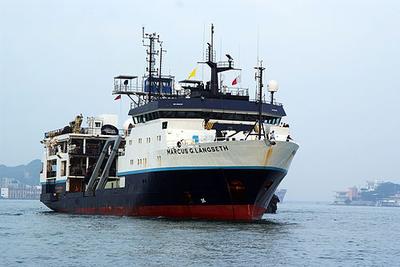
    Collaborative research: Quantifying incoming plate hydration and role of fluids on megathrust properties in and around the Guerrero Gap, offshore Mexico The plate boundary in subduction zone settings is known to exhibit a wide spectrum of behavior for how the two tectonic plates slide past each other. Many questions remain about what controls the wide spectrum of slip behavior within and between different subduction zone systems worldwide. Seawater delivered into the subduction zone by the incoming oceanic plate is commonly invoked to explain variability of plate interface slip behavior. However, the volume and distribution of seawater incorporated into the downgoing oceanic plate and its fate at depth vary between subduction zones and is poorly known owing to the limited amount of existing observations. The Guerrero Gap and neighboring segments at the Middle America subduction zone, offshore Mexico, is one of the best-known examples in the world of along-strike variations in slip behavior of the plate boundary. The Guerrero Gap has not ruptured in a M>7 earthquake in more than 100 years but the largest known relatively shallow slow-slip events that release energy slowly without generating strong seismic waves occur approximately every 4 yrs. In contrast, the neighboring segments have ruptured in M>7 earthquakes and appear to be strongly locked. This project will involve the acquisition and analysis of marine, active-source seismic data within the Guerrero Seismic Gap and neighboring segments in order to obtain critical constraints on the properties and geometry of the subduction zone faults, including the abundance and distribution of fluids in both the incoming oceanic plate and within the subduction zone. Results from this project will be valuable for understanding the role of fluids (e.g. seawater) in influencing the contrasting slip behavior both at this margin and similar subduction zones. This project will support two early career scientists and one pre-tenured scientist and will involve a strong collaboration between US, Mexican and Japanese scientists. The proposed study will also strongly complement an ongoing amphibious geodetic and seismic deployment led by Mexican and Japanese collaborators. A 47.5 day, combined 2D wide-angle seismic reflection/refraction and ultra-long offset multi-channel seismic (MCS) survey will be conducted onboard the R/V Marcus G. Langseth. This project includes six primary profiles along which both MCS and Ocean Bottom Seismometer (OBS) data will be acquired, and additional MCS profiles that extend seismic imaging over a larger extent of the margin. This study of the Guerrero Gap and neighboring segments will yield unique insights into two core questions: (1) What is the hydration state of the incoming, young sediment-starved Cocos oceanic plate at the Middle America subduction zone, and how does it vary along-strike and relate to changes in subduction zone behavior? MCS imaging and P and S- waves velocity models from OBS and streamer data, including full-waveform inversion as well as joint inversion of shots and earthquakes, will provide the first estimates of the amount and distribution of water in the incoming plate prior to subduction from the ridge axis to the trench axis and both in and outside of the Guerrero Gap, allowing us to examine the role of fluids in subduction zone processes and results will be compared the young but well-sedimented Cascadia and Nankai subducting plates, (2) How do geometrical and material properties of the subducting and overriding plates influence slip behavior along the megathrust fault? Controlled- source seismic data will bring new, high-resolution constraints on the architecture and properties of the upper 20-30 km of this subduction zone on parts of the megathrust that have different degrees of coupling and slip behavior. This will enable the testing of competing ideas for controls on slip behavior developed at other subduction zones, such as variations in pore-fluid pressure or fault zone heterogeneity. Addressing this question will require a synthesis of constraints on plate boundary properties from this project with results on slip behavior from an ongoing multi-year deployment of geodetic and seismic stations within the Guerrero Gap.

    May 15 – Jul 1, 2022 · 47 d

    Off Mexico. - Eastern Pacific - Guerrero Gap off of the Guerrero state in Mexico - subduction zone offshore Mexico near Acapulco city. - One long profile from EPR ridge axis to the trench. Op Area Siz

NewerPage 51 of 55Older