VesselConnect
  • Completed

    Blue Heron · UMN

    UMN cruise 2023

    Richard Ricketts · UMN

    These cruises utilize funding provided by the University of Minnesota. Chief Scientists will be completing seed research cruises or using their ship time to take graduate and undergraduate students on the research vessel Blue Heron.

    Apr 27, 2023 · 1 d

    Western Lake Superior

  • Completed

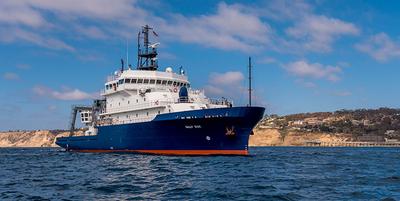
    SIOC 218/ Del Mar

    Jessica Durette · SIO

    Summary of Field Work: This project will support student-run projects as part of the class SIOC 218 A and B, as well as a turn-around of a buoy offshore Del Mar. The project will include routine data collection from ship-based sensors (ADCP, meteorology) and CTD casts with water samples. The science party / students will bring additional instrumentation. The mooring turn-around means recovering this buoy incl. anchor, and re-deploying a replacement at a later time. The project is similar to earlier ones carried out in 2020 and 2018.

    Apr 26 – Apr 27, 2023 · 1 d

    32.93N, 117.32W

  • Completed

    Blue Heron · UMN

    UMN cruise 2023

    Richard Ricketts · UMN

    These cruises utilize funding provided by the University of Minnesota. Chief Scientists will be completing seed research cruises or using their ship time to take graduate and undergraduate students on the research vessel Blue Heron.

    Apr 26, 2023 · 1 d

    Western Lake Superior

  • Completed

    NES-LTER - 2023 spring

    Heidi Sosik · WHOI

    The northwest Atlantic is renowned for productive fisheries that depend upon a complex food web of planktonic organisms that provide them energy. In these waters -- as in coastal waters around the globe -- human activities, environmental variability, and decadal-scale change intersect to have diverse effects on the planktonic food web. It is crucial to understand the structure of this web, how it functions, and how it responds to seasonal environmental change, in order to respond appropriately to long-term trends that are accelerating in this region. Our understanding, however, has been limited by a lack of systematic and detailed measurements over a sufficient length of time so that we can observe the responses of these webs to environmental perturbations and uncover the underlying causes and implications. The Northeast US Shelf (NES) Long-Term Ecological Research (LTER) project will provide such observations, analyze them with a variety of models, and improve our ability to predict how planktonic food webs change through space and time, and how those changes impact the productivity of higher trophic levels including commercially important fish. In addition, the NES-LTER project will have multifaceted broader impacts, including collaboration with the National Oceanic and Atmospheric Administration's (NOAA), Northeast Fisheries Science Center to support multispecies, ecosystem-based management on the NES. The project includes an education plan that will provide opportunities to a broad range of learners and a far-reaching public outreach component will be developed through NOAA's international Science-On-a-Sphere network. While patterns of ecosystem change over seasons to decades have already been documented in this region, the key mechanisms linking changes in the physical environment, planktonic food webs, and higher trophic levels remain poorly understood. For this reason, predictive capability is limited and management strategies are largely reactive. To address these needs, the NES-LTER strategy combines observations that provide regional-scale context, process cruises along a high gradient cross-shelf transect, high-frequency time series at inner- and outer-shelf locations, coupled biological-physical food web models, and targeted population models. The research plan is guided by an overarching science question: How is long-term environmental change impacting the pelagic NES ecosystem and, in particular, affecting the relationship between compositional (e.g., species diversity and size structure) and aggregate (e.g., rates of primary production, and transfer of energy to important forage fish species) variability? By capitalizing on high levels of seasonal and interannual variability in the NES, the research will study short-term responses to change in the environment to a) characterize low and high export food webs, b) understand the linkages and transfer of energy from the phytoplankton to pelagic fish, and c) identify the mechanisms that underlie shifts between high and low export communities. Ultimately, mechanistic knowledge will be scaled up to understand and predict the impacts and feedbacks associated with trends in decadal-scale forcing in the ecosystem.

    Apr 25 – May 7, 2023 · 12 d

    WH-Pioneer Cross-shelf transect south of Woods Hole, MA to OOI Pioneer Array at the shelf break
  • Completed

    Pelican · LUMCON

    COBR-2023-April

    Drew Felker · CFA

    We plan to carry out a series of seasonal cruises to improve and expand the published biogeochemical characterizations of the hypersaline Orca Basin, focusing specifically on sulfur and carbon cycling. This cruise will be our first expedition to the proposed field site. We plan to collect water samples via Niskin bottles on the ship's rosette to estimate the distributions of various compounds (e.g.: HS-, DOC, POC, CH4, NH4, etc) throughout the upper water column, the basin salinity gradient, and within the hypersaline basin. We will conduct shipboard experiments will basin water to measure rates of microbial methane oxidation. We will further sample the hypersaline sediments with a box core to collect an in-situ microbial community for lab-based incubation studies. This sampling scheme will inform future work in Orca Basin analyzing degradation and sulfurization rates of terrestrial biomass deployed via a benthic lander.

    Apr 24 – Apr 27, 2023 · 4 d

    Above the Orca Basin in the Gulf of Mexico

  • Completed

    SIO145- Student Cruise 2

    Liz Hetherington · SIO

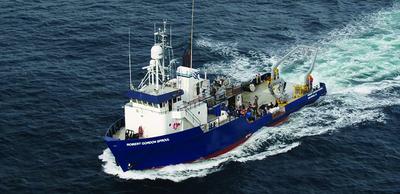
    This cruise is an integral part of SIO145 (Field Methods in Biological Oceanography) at Scripps Institution of Oceanography. The student cruise will offer junior and senior undergraduates in Marine Biology a rare hands- on opportunity to work at sea, which is an integral part of SIO 145, a lab course. Students will gain a better understanding of how to use oceanographic sampling equipment and conduct oceanographic field research. In addition, cruises on the Sproul will provide students with an opportunity to collect data and samples that are needed to develop quarter-long lab projects. At sea, students will be introduced to common oceanographic sampling equipment (CTD, bongo tow, Isaacs-Kidd Midwater Trawl).

    Apr 23 – Apr 24, 2023 · 1 d

    San Diego Trough

  • Completed

    Sikuliaq · UAF

    NGA LTER 2023 1 of 2

    Russ Hopcroft · UAF

    The research focus of the NGA LTER site will be on mechanistic understanding of processes that underlie environmental variability, and the role of the latter in promoting high productivity and resilience. Building on prior knowledge, the investigators will test three hypotheses centered on ecosystem emergent properties: 1. Changes in the hydrologic cycle affect spring bloom production through changes in cloud cover, the stratification/mixing balance, macro- and micronutrient supplies, and transport pathways. 2. Hot-spots of high summer primary and secondary production result from interactions between the fresher Alaska Coastal Current and more saline offshore waters as promoted by shelf morphology and regional winds; hot spot timing and magnitude will be influenced by changes in the hydrologic cycle. 3. Nutritional and life history patterns of NGA consumers minimize trophic mismatch, buffering spatial and temporal variability in lower trophic level production and leading to resilience in the face of long-term climate change. The investigators will address these hypotheses with an integrated research program that includes: a) seasonal time series studies addressing short- and long-term environmental and ecosystem variability through a spring-to-fall field cruise- and mooring-based observational program, building upon and enhancing the Seward Line times series, and leveraging existing collaborations to obtain higher trophic level data; b) process studies that focus on hypothesized mechanisms leading to variability and enhancement of NGA production in time and space; c) modeling studies that incorporate physical and biogeochemical observations, provide a framework for testing hypotheses, and predict ecosystem responses to projected environmental changes; d) a data management component that provides a public platform for data visualization and synthesis by LTER colleagues, educators & students, and resource managers.

    Apr 22 – May 9, 2023 · 16 d

    Northern Gulf of Alaska.

  • Completed

    Savannah · SkIO

    INST

    Clark Alexander · SkIO

    Ship time dedicated to facilitate experiential learning for UGA and USG graduate and undergraduate students.

    Apr 21, 2023 · 1 d

    South Atlantic Bight - USA

  • Completed

    BATS 2023 - 5of12

    Nicholas R. Bates · BIOS

    Long-term observations over several decades are a powerful tool for investigating ocean physics, biology, and chemistry, and the response of the oceans to environmental change. The Bermuda Atlantic Time-Series Study, known as BATS, has been running continuously since 1988. The research goals of the BATS program are: (1) to improve our understanding of the time-varying components of the ocean carbon cycle and the cycles of related nutrient elements such as nitrogen, phosphorus, and silicon; and, (2) to identify the relevant physical, chemical and ecosystem properties responsible for this variability. In addition, the BATS program has strong and diverse broader impacts, contributing to the field of ocean sciences by providing high quality ocean observations and data for seagoing scientists and modelers, and a framework through which researchers can conceive and test hypotheses. This award will support the operations of the BATS program for five more years. The primary BATS research themes are as follows: (1) Quantify the role of ocean-atmosphere coupling and climate variability on air-sea exchange of CO2, and carbon export to the ocean interior; (2) Document trends and the controls on the interannual to decadal scale variability in carbon and nutrient cycles to their coupling in the surface and deep ocean via the Redfield Ratio paradigm; (3) Quantify the response of planktonic community structure and function, and impact on biogeochemical cycles to variability in surface fluxes and dynamical processes; (4) Facilitate development, calibration and validation of next generation oceanographic sensors, tools and technologies; and, (5) Generate a dataset that can be utilized by empiricists, modelers and students. This research integrates ocean physics, chemistry and biology into a framework for understanding oceanic processes and ocean change in the North Atlantic subtropical gyre. The existing 29 years of BATS data provide robust constraints on seasonal and interannual variability, the response of the Sargasso Sea ecosystem to natural climate variability, and signal detection of potential ocean changes. This project would extend the BATS program through years 31-35 to address a series of ten interlinked questions through integrated research approaches and a multitude of collaborative efforts. In addition to the themes above, and embedded into the ten questions and approaches, the BATS team will focus on, for example, coupling of particle production and biogeochemistry; revisiting the complexities of the biological carbon pump; oxygen decline; and changes in the hydrography, physics, ocean carbon cycle and biogeochemistry of the Sargasso Sea. The highest quality data observation and collection will be maintained and used to address these questions. Importantly, a wide range of collaborations at the BATS site, spanning the physical and biogeochemical disciplines, will aid these broad goals. Strong links to community stakeholders, and close collaboration (including methods intercomparisons and personnel exchanges) with the Hawaii Ocean Time-series are proposed. This work will extend the research findings of the project into educational and training opportunities within and beyond the oceanographic community, including training and mentorship of both undergraduate and graduate students.

    Apr 21 – May 8, 2023 · 17 d

    Atlantic

    Sails with 2 other projects

  • Completed

    OFP time-series Spring 23

    Maureen Conte · BIOS

    This award provides an additional three years of support for the Oceanic Flux Program (OFP). This program was first established in 1978 to measure the export flux of particles from the surface to the deep ocean in the deep Sargasso Sea and represents the longest and most continuous particle flux time-series of its kind. This program and the time-series record will continue to help the oceanographic community to answer questions about the relationship between deep ocean particle flux and climate and biological, physical, and chemical oceanographic processes. In the past, the OFP has provided evidence for coupling between the upper and deep ocean processes linked to seasonal, episodic (e.g., physical and meteorological forcing) and climate patterns. Looking to the future, this program will utilize increasingly advanced instrumentation and analytical tools to address questions about the material that sinks from the surface to deep ocean and its controls. The OFP provides education and training for students from the high school to Ph.D. level and supports early career researchers. The OFP time-series represents a 43-year, nearly continuous record focused on particle fluxes in the deep ocean. With increasingly more data available from the lengthening record, investigators can put observed biogeochemical patterns into perspective to understand the interplay between climate and ocean functioning. The availability of data from complementary nearby Hydrostation S, the Bermuda Atlantic Time-Series (BATS), the Bermuda Testbed Mooring (1994-2007), the Tudor Hill atmospheric tower and other Bermuda sampling programs provide additional opportunities to study upper ocean physics and biogeochemistry coupled with deep ocean biogeochemical processes. The OFP record is becoming long enough to study deep flux linkages with gyre circulation and advective processes. The OFP’s archive is an unparalleled resource for retrospective studies of temporal trends and the biogeochemical consequences of a changing ocean, including future impacts of ocean acidification. As the OFP heads into the future, increasingly sophisticated OFP mooring instrumentation (ADCP current profiling and backscatter; MicroCAT temperature, salinity, and oxygen measurements) and advances in digital imaging and analytical tools (both chemical and genomic) to probe the recovered flux materials continue to reveal novel, fundamental information about the oceanic particle flux and its controls.

    Apr 21 – May 8, 2023 · 17 d

    Atlantic

    Sails with 2 other projects

  • Completed

    Hydro S - 2023 6of24

    Nicholas R. Bates · BIOS

    One of the longest open-ocean hydrographic stations in the world is maintained at the Hydrostation S site (formerly known as the Panulirus site) located ~25 km southeast of Bermuda in the North Atlantic Ocean. This program of repeat biweekly hydrographic observations began in 1954 (by Hank Stommel) and now, in its seventh decade, has proved to be the catalyst for numerous studies of ocean physics, biological processes and biogeochemistry. Hydrostation S continues to be recognized as one of the most important sustained ocean time–series. The renewal of the Hydrostation S program is proposed herein, extending this invaluable time–series of ocean hydrography to almost 70 years. The upper ocean warming trend has strengthened (about +1.4° C since the 1970's; ~+0.8°C in last decade) with significant salinification (+0.16). Deeper waters such as the Labrador Sea Water has cooled by a few tenths of a degree and freshened with a marked decadal oscillation. The signature of deoxygenation has been observed at Hydrostation S in the upper ocean (about 4 µmoles kg -1 decade -1 decrease in dissolved oxygen) as well as the oxygen minimum zone (~2.5 µmoles kg -1 decade -1 ). Hydrostation S also supports the longest global ocean CO 2 and acidification time-series (from 1983 to present) The major objective of the proposal is to continue Hydrostation S into the eighth decade with numerous questions related to warming and cooling, salinification and freshening, deoxygenation and insights on biogeochemical changes over time. This program constitutes frequent water column sampling of temperature, salinity, and dissolved oxygen (and indirectly, sampling of important ocean carbon time–series) of the North Atlantic subtropical gyre at the Hydrostation S site. Such work is complementary to other sustained observations such as the Bermuda Atlantic Time–series Study (BATS) and Ocean Flux Program (OFP). We propose to carry out a similar sampling format that has been followed for the past 68 years. As for the past ten years, we would continue to conduct two CTD profiles to better capture the deep–water variability while maintaining all the previous discrete depths. The first CTD cast will profile to full ocean depth (3,300–3,500 m) while the second CTD cast will profile to 500 m (to allow for instrumentation not rated for full ocean depth such as a PAR sensor). One indirect objective will be to continue to collaboratively evaluate a BIOS-based glider program with Hydrostation S data as critically important ground truthing data. The existing glider program has challenging issue, and the aim of this effort is to use robust and highly accurate Hydrostation S data to test the capability of emerging technologies over the next five to ten years.

    Apr 21 – May 8, 2023 · 17 d

    Atlantic

    Sails with 2 other projects

  • Completed

    Pelican · LUMCON

    BP WS Buoy 2024 SV

    Jacob Fredrickson · Fugro GEOS Inc

    Topside service and maintenance for a Fugro Wavescan Buoy. Buoys measure wind, waves, and currents. Data is transmitted to erddap and distributed.

    Apr 18 – Apr 21, 2023 · 3 d

    GoM

  • Completed

    Endeavor · URI

    Deepwater coral collection in Gulf of Maine

    Brennan Phillips · URI

    Changes in ocean life, the environment, and the climate can influence the timing and composition of biological material that sinks to the sea floor. As this material sinks it is consumed by bottom-dwelling organisms such as deep-sea corals. Similar to tree rings, corals preserve a history of growth embedded in their skeletons, which can be analyzed using a new technique called microgeochemistry. This project is compiling a historic dataset from deep-sea corals spanning 50 years in the Gulf of Maine to understand how biological material sinking to the bottom has changed with time. Results from the coral analysis are being compared with archival samples of small planktonic crustaceans, copepods, to better understand the connection between productivity in the surface waters and the geochemical record in the coral tissue. A complementary modeling approach is identifying environmental and climatic drivers of decadal-scale oceanographic change with the sources and transformations of organic matter that connect the surface and the deep ocean. This cross-disciplinary project is unifying transformational research with broader impacts focused on science education and outreach that broaden the understanding of the links between climate, oceanography, and marine ecosystem response using a 50-year historical context. Two open access, media-enhanced, and National curriculum standards-aligned educational lessons plans are being developed through partnerships with a science documentary filmmaker, K-12 teachers from RI and ME, and the PBS LearningMedia Program. The topics of these lesson plans are: 1) Deep-sea exploration: A window into the past and future, and 2) Changing food webs on a changing planet. The project’s educational goals include training of three graduate students, career development of five early career researchers, and research experiences for undergraduates from underrepresented groups in STEM. The multi-faceted research and education effort is addressing a question described as highest priority in the Ocean Sciences by the National Research Council: How are ocean biogeochemical and physical processes linked to today’s climate variability and its variability? Pelagic-benthic coupling regulates ocean production and food webs dynamics, biogeochemical cycling, and climate feedback mechanisms through the export of surface production to the ocean interior. Yet access to long-term data sets of export production are scarce and urgently needed to test assumptions about 1) the sources and transformations of organic matter through different food web pathways, and 2) the variability of these processes across climatic, oceanographic, and ecological changes through time. The proposed work is testing key hypotheses about bottom-up mechanisms that link decadal-scale oceanographic changes in hydrography and biogeochemical cycling with phytoplankton community composition, zooplankton abundance and trophic dynamics, and the resulting composition of export production. Complementary approaches are generating multiple and independent 50+ year, annually resolved time series of phytoplankton community composition, zooplankton trophic dynamics, and export composition. Coral tissue and archived zooplankton samples are being analyzed using pioneering molecular geochemistry approaches to assess changes in diet related variation in primary production. Deep-sea corals are being collected using a remotely operated vehicle (ROV), and zooplankton are available through archival samples from a Gulf of Maine long-term monitoring program managed by NOAA. The stable isotope data are being integrated with additional data from existing long-standing ocean monitoring programs and incorporated into a unifying modeling approach to identify unique ecosystem states and their environmental drivers. The project is focused on Jordan Basin in the Gulf of Maine, which has a long history of oceanographic study and is experiencing significant changes due to climate warming, making it an ideal natural laboratory for testing hypotheses on drivers of change in the composition of exported organic matter, and the relative importance of primary (e.g., phyto-detritus) vs. secondary production (e.g., copepod fecal pellets), and large vs. small pelagic plankton dynamics.

    Apr 18 – Apr 23, 2023 · 5 d

    Gulf of Maine, Jordan Basin

  • Completed

    Ocean 220 Course - 2023

    Robert Kamphaus · UW

    The student cruise for the Ocean 220 Course in 2023

    Apr 17 – Apr 21, 2023 · 4 d

    Pacific NW

  • Completed

    Cetaceans and Sonar

    Simone Baumann-Pickering · SIO

    Marine mammals inhabit a highly dynamic, mobile environment. We will document how physical oceanographic conditions drive prey distributions and cetacean response to these changes. Use of mid-frequency active sonar during US Navy training operations can invoke a cetacean behavioral response and we aim to document how a response may be shaped by underlying prey conditions. A series of 5 cruises will be conducted over the course of 2 years to record passive acoustic data on long-term moorings at sonar-impacted and minimally disturbed sites. Satellite tagging of cetaceans will provide larger spatial information on movement patterns observed outside the acoustic detection range. Information on prey will be collected with autonomous and ship-board active-acoustic systems. MOCNESS tows will provide an active acoustics ground-truth. Physical oceanographic features will be measured with autonomous sensors on the moorings and with ship-board instrumentation.

    Apr 14 – Apr 20, 2023 · 6 d

    SOCAL Bight San Diego trough, near shelf break offshore San Diego to south of Channel Islands

  • Completed

    BATS 2022 - BATS Bloom 3

    Nicholas R. Bates · BIOS

    Long-term observations over several decades are a powerful tool for investigating ocean physics, biology, and chemistry, and the response of the oceans to environmental change. The Bermuda Atlantic Time-Series Study, known as BATS, has been running continuously since 1988. The research goals of the BATS program are: (1) to improve our understanding of the time-varying components of the ocean carbon cycle and the cycles of related nutrient elements such as nitrogen, phosphorus, and silicon; and, (2) to identify the relevant physical, chemical and ecosystem properties responsible for this variability. In addition, the BATS program has strong and diverse broader impacts, contributing to the field of ocean sciences by providing high quality ocean observations and data for seagoing scientists and modelers, and a framework through which researchers can conceive and test hypotheses. This award will support the operations of the BATS program for five more years. The primary BATS research themes are as follows: (1) Quantify the role of ocean-atmosphere coupling and climate variability on air-sea exchange of CO2, and carbon export to the ocean interior; (2) Document trends and the controls on the interannual to decadal scale variability in carbon and nutrient cycles to their coupling in the surface and deep ocean via the Redfield Ratio paradigm; (3) Quantify the response of planktonic community structure and function, and impact on biogeochemical cycles to variability in surface fluxes and dynamical processes; (4) Facilitate development, calibration and validation of next generation oceanographic sensors, tools and technologies; and, (5) Generate a dataset that can be utilized by empiricists, modelers and students. This research integrates ocean physics, chemistry and biology into a framework for understanding oceanic processes and ocean change in the North Atlantic subtropical gyre. The existing 29 years of BATS data provide robust constraints on seasonal and interannual variability, the response of the Sargasso Sea ecosystem to natural climate variability, and signal detection of potential ocean changes. This project would extend the BATS program through years 31-35 to address a series of ten interlinked questions through integrated research approaches and a multitude of collaborative efforts. In addition to the themes above, and embedded into the ten questions and approaches, the BATS team will focus on, for example, coupling of particle production and biogeochemistry; revisiting the complexities of the biological carbon pump; oxygen decline; and changes in the hydrography, physics, ocean carbon cycle and biogeochemistry of the Sargasso Sea. The highest quality data observation and collection will be maintained and used to address these questions. Importantly, a wide range of collaborations at the BATS site, spanning the physical and biogeochemical disciplines, will aid these broad goals. Strong links to community stakeholders, and close collaboration (including methods intercomparisons and personnel exchanges) with the Hawaii Ocean Time-series are proposed. This work will extend the research findings of the project into educational and training opportunities within and beyond the oceanographic community, including training and mentorship of both undergraduate and graduate students.

    Apr 12 – Apr 16, 2023 · 4 d

    Atlantic

    Sails with 1 other project

  • Completed

    Hydro S - 2023 15of24

    Nicholas R. Bates · BIOS

    One of the longest open-ocean hydrographic stations in the world is maintained at the Hydrostation S site (formerly known as the Panulirus site) located ~25 km southeast of Bermuda in the North Atlantic Ocean. This program of repeat biweekly hydrographic observations began in 1954 (by Hank Stommel) and now, in its seventh decade, has proved to be the catalyst for numerous studies of ocean physics, biological processes and biogeochemistry. Hydrostation S continues to be recognized as one of the most important sustained ocean time–series. The renewal of the Hydrostation S program is proposed herein, extending this invaluable time–series of ocean hydrography to almost 70 years. The upper ocean warming trend has strengthened (about +1.4° C since the 1970's; ~+0.8°C in last decade) with significant salinification (+0.16). Deeper waters such as the Labrador Sea Water has cooled by a few tenths of a degree and freshened with a marked decadal oscillation. The signature of deoxygenation has been observed at Hydrostation S in the upper ocean (about 4 µmoles kg -1 decade -1 decrease in dissolved oxygen) as well as the oxygen minimum zone (~2.5 µmoles kg -1 decade -1 ). Hydrostation S also supports the longest global ocean CO 2 and acidification time-series (from 1983 to present) The major objective of the proposal is to continue Hydrostation S into the eighth decade with numerous questions related to warming and cooling, salinification and freshening, deoxygenation and insights on biogeochemical changes over time. This program constitutes frequent water column sampling of temperature, salinity, and dissolved oxygen (and indirectly, sampling of important ocean carbon time–series) of the North Atlantic subtropical gyre at the Hydrostation S site. Such work is complementary to other sustained observations such as the Bermuda Atlantic Time–series Study (BATS) and Ocean Flux Program (OFP). We propose to carry out a similar sampling format that has been followed for the past 68 years. As for the past ten years, we would continue to conduct two CTD profiles to better capture the deep–water variability while maintaining all the previous discrete depths. The first CTD cast will profile to full ocean depth (3,300–3,500 m) while the second CTD cast will profile to 500 m (to allow for instrumentation not rated for full ocean depth such as a PAR sensor). One indirect objective will be to continue to collaboratively evaluate a BIOS-based glider program with Hydrostation S data as critically important ground truthing data. The existing glider program has challenging issue, and the aim of this effort is to use robust and highly accurate Hydrostation S data to test the capability of emerging technologies over the next five to ten years.

    Apr 12 – Apr 16, 2023 · 4 d

    Atlantic

    Sails with 1 other project

  • Completed

    Savannah · SkIO

    Cross-Shelf Plumes April 2023

    Diane Fribance · CCU

    A study of the dynamics of a coastal buoyant plume, fed by a riverine discharge, that crosses a wide continental shelf at an oblique angle and with minimal lateral spreading. This type of plume delivers coastal low-salinity water offshore, possibly all the way to the shelf-break, where it can be entrained by major oceanic currents (e.g., the Gulf Stream on the US east coast). The plume’s formation is the result of tidally-modulated estuarine outflow and a balance between upwelling wind and buoyancy forcing, something not uncommon in a variety of environments around the globe, and yet it deviates from the traditional plume types commonly referred to in the literature. We hypothesize that under such wind/buoyancy conditions the tidal pulses of brackish water produce individual tidal sub-plumes, which are subsequently advected offshore by Ekman drift without being dispersed or mixed by excessive wind-induced shear stresses. The freshwater discharge is assumed to be sufficiently high so that geostrophic adjustment can occur within the tidal pulse of buoyant water. Under this scenario, the width of the resulting plume is simply the scale of the individual tidal sub-plume, while its total length is a sum of multiple tidal sub-plumes, roughly aligned with the surface wind-driven currents. The result of this process is a filament-like plume with an unusually high length-to-width aspect ratio, which breaks away from coastal trapping and protrudes far offshore. A number of field experiments will resolve mixing, wind and other forcings near the sea surface to develop an accurate description of the conditions favoring the development and persistence of these dynamics.

    Apr 11 – Apr 16, 2023 · 5 d

    Mouth of Winyah Bay, SC, off Georgetown in Long Bay

  • Completed

    WOAC-2023-Spring

    Jan Newton · UW

    This is the ongoing Washington Ocean Acidification time series which R/V Rachel Carson has been supporting for the past several years. There are 3 cruises per year (Spring, Summer, Fall) 5 days each. Stations are sampled from Seattle North to Deception Pass, then over to Port Ludlow, Hood Canal stopping at Alderbrook, then south to Tacoma, and returning to Seattle.

    Apr 10 – Apr 15, 2023 · 4 d

    Puget Sound

  • Completed

    UMCES ChesBay Plume

    Ryan J. Woodland · UMCES

    There is a clear need to develop our understanding of how plumes affect the benthic component of shallow, temperate shelf ecosystems, particularly in regards to the benthic faunal communities. The benthos plays a key role in the dynamics of plume-shelf systems, acting to assimilate deposited allochthonous and autochthonous particulate organic matter (POM), modulate local biogeochemical fluxes and cycling, and fill a critical ecological function as forage for higher trophic levels. Despite evidence of the importance of these benthic communities in contributing to ecosystem dynamics in these shelf environments, a mechanistic understanding of how these communities are structured spatially and temporally in response to plume inputs or how biologically-mediated processes such as nutrient flux rates covary with benthic communities across plume gradients, remain critical knowledge gaps. The overarching goal for this project is to determine how the magnitude and reactivity of organic matter inputs and environmental conditions associated with a large, spatially and temporally dynamic estuarine plume affects an inner continental shelf benthic community. We specifically seek to quantify the benthic community response to seasonally and spatially variable patterns of organic matter deposition, both labile and refractory, associated with plume conditions. We will use a combination of observational and experimental approaches to quantify the history of plume-driven conditions and particle transport and deposition and then quantify through experiments and numerical model simulations how the magnitude and reactivity of POM deposited to sediments controls the structure and metabolism of the benthic community. We will use these approaches to address hypotheses that predict benthic biomass, biodiversity, and secondary production to be stimulated by POM inputs both seasonally and spatially, but this stimulation will be modulated by feeding mode, past exposure to plume influence, lability of depositing organic matter, and physical forces (e.g., temperature, salinity, bed stress) imposed by hydrodynamic variations. Our project blends aspects of benthic ecology, biogeochemistry, and coastal hydrodynamics in an effort that merges discrete observations, incubation experiments, and numerical modeling in a synthesis that will deliver new insights into the role of benthic communities in responding to – and influencing – plume-coastal ocean interactions. The proposed research will help fill these knowledge gaps by identifying key relationships between plume-associated conditions and benthic community structures and processes, and experimentally testing associated ecological and biogeochemical rates. This knowledge is central to accurately coupling estuary-ocean food web models and is becoming ever more pressing in the face of anthropogenic pressures given long-term shifts in regional climate and the changing frequency and severity of extreme weather events in many regions. In addition to advancing our scientific understanding of plume-shelf dynamics, this project will provide STEM training directly to early career scientists and students from a variety of backgrounds. The PIs will leverage an established collaborative internship program with a regional community college to offer hands-on STEM learning opportunities to students from historically underserved segments of the undergraduate population (e.g., first generation students, students of color). Non-biological STEM undergraduates in a computer science course will be engaged through a focused video game design project in which students design, program and present a video game that models a central element of the project as a tool for engaging the public. Several National Science Foundation-funded Research Experience for Undergraduates (REU) fellows will be invited to participate in this project with tailored summer projects that incorporate aspects of this proposal and the REU's own interests. Training opportunities will be provided to the graduate student to develop mentoring skills through direct interaction with undergraduate interns, and to practice science communication through public outreach activities on and off-campus. In addition to training the next generation of scientists, this research will be shared with regional fisheries management groups to ensure relevant information (e.g., drivers of inner shelf benthic forage availability) is available for ecosystem-based management applications and with the general public through seminars and structured interactive events (e.g., institutional open house events).

    Apr 10 – Apr 14, 2023 · 4 d

    Chesapeake Bay mouth and adjacent shelf waters

  • Completed

    MANGAN 2022

    Carsten Ruehlemann · BGR

    On behalf of the German Federal Ministry for Economics and Energy, the Federal Institute for Geosciences and Natural Resources (BGR) holds an exploration license for manganese nodules with the International Seabed Authority (ISA) since 2006. During eight sea-going campaigns (2008-2021), the BGR and partner institutes mainly from Germany investigated the nodule deposits in the license area with a size of 75,000 km² in the eastern Pacific, including detailed environmental analyses of bottom currents, sediment properties and water column characteristics. Furthermore, the benthic faunal assemblages and their diversity were studied. In May 2021, the BGR and 28 other European research institutions, which gathered in the research project "MiningImpact", successfully completed the monitoring of the environmental impact of the world's first test of a manganese nodule collector at a water depth of around four kilometers. The collector, developed and owned by the Belgian company Global Sea Mineral Resources (GSR), was tested by GSR in both the Belgian and the German manganese nodule license areas. During the cruise in April/May 2022, BGR plans to investigate the collector's impact on the fauna and sediment geochemistry one year after the test in the 22,000 square meter sized test area within the German license area. Furthermore, the fate of the suspension plume and the effects of sediment re-deposition on organisms living on and in the seafloor will be investigated The International Seabed Authority is currently working on the Mining Code, which will form the legal framework for future deep-sea mining. Part of this international legal agreement are regulations on environmental monitoring and the definition of environmental standards for the deep sea. We expect that the results of the 2021 and 2022 expeditions will contribute significantly to the development of evidence-based environmental standards that will be required by the International Seabed Authority as part of its future mining regulations.

    Apr 9 – May 20, 2023 · 41 d

    Clarion-Clipperton Fracture Zone

  • Completed

    Sikuliaq · UAF

    SKQ Acoustic Cals 2023

    Ethan Roth · UAF

    In April 2023, Sikuliaq will transit from Seattle, WA to Seward, AK. During this time, we would like to perform annual calibrations and verifications of Sikuliaq's hull-mounted sonars. We will work with subject-matter experts to support these efforts.

    Apr 9 – Apr 16, 2023 · 7 d

    NE Pacific

    Sails with 1 other project

  • Completed

    DMB

    Viviane Menezes · WHOI

    The deep oceans play a crucial role in regulating the Earth's climate on long timescales by exchanging heat and chemical compounds with the atmosphere and moving them globally. Sometimes surface waters are carried into the deepest ocean areas where they are sequestered from further exchanges with the atmosphere over long time periods, but where our knowledge of how water moves are incomplete. For instance, twenty years ago, in the Madagascar Basin of the southwest Indian Ocean, deep waters were undisturbed by human influence. But newer measurements in 2018 showed significant amounts of human-made chemical compounds there. These inert compounds enter the ocean at the sea surface from the atmosphere, so when and where the surface water sinks, it carries those compounds to the deep sea. The presence of such compounds in the deep Madagascar Basin after only twenty years counters our previous knowledge about the region. A possible explanation is that deep currents, as we understood them, may have changed course and strength in the last twenty years. For solving this puzzle, this project will measure the deep currents in the region for the first time, using shipboard instruments during a three-week cruise and with two types of in-water robotic technologies to follow these currents over several years. By combining these novel measurements with computer simulations, this study will identify the pathways that deep waters travel in the Madagascar Basin and examine what causes such circulation patterns. It will focus on currents starting near Antarctica, where the water sinks, through fracture zones in the Southwest Indian Ridge and into the Madagascar Basin, and then on how these abyssal waters spread to fill the basin. The findings from this project will explain why this part of the ocean is changing so fast, advance the knowledge of abyssal ocean circulation, and help define how heat and chemical compounds are moved around within the ocean. The proposed research will be a US contribution to the 2nd International Indian Ocean Expedition (IIOE-2) and will provide the first direct estimate of the abyssal circulation and temperature variability in the Deep Madagascar Basin on a basin scale. The project will support two undergraduate students that will be selected to participate in the DMB cruise. The PIs will also host and mentor undergraduate students each summer. Moreover, the cruise will be available to the community for piggyback projects. The proposed research will investigate the largely unknown Deep Madagascar Basin (DMB) abyssal circulation, how abyssal temperature varies in the interior, and the effects of the tortuous seafloor topography in steering the abyssal flows. The primary objective is to find out by which pathway(s) the younger abyssal water that enters through deep fracture zones in the Southwest Indian Ridge spreads in the basin, which is crucial for a better understanding of the Indian Ocean Meridional Overturning Circulation and its variability. To determine the pathways and the transformation of the abyssal waters in the basin interior, an array of 75 floats ballasted to drift at 4000-m for two years and 3 deep (sea surface to 6000 m) profiling floats will be deployed, complemented by high-resolution hydrographic sections (including tracer analysis) across the mid-basin and the fracture zones. The in-situ observations will be paired with a state-of-art modeling component, which will be used to investigate the underlying dynamics and time evolution of the deep flow field. After validation using the new observational dataset, the model will be used to perform particle tracking simulations to answer some specific questions that are beyond the scope of the in-situ observations alone.

    Apr 9 – May 13, 2023 · 34 d

    Mozambique and Madagascar Basins

    Sails with 1 other project

  • Completed

    EMC

    Viviane Menezes · WHOI

    The system of ocean currents that forms the global Meridional Overturning Circulation (GMOC) plays a central role in regulating Earth's climate. One of the least understood yet critical aspects of this system is the upper-layer circulation within the East Madagascar Current (EMC) in the South Indian Ocean. This project will use surface drifters, subsurface RAFOS floats and particle tracking in a numerical model of the region to examine pathways after the EMC separates from the continental shelf near the southern tip of Madagascar: whether it turns east into the Madagascar Basin or west into the Mozambique Basin, or both. The project will take advantage of several RAFOS sound sources associated with the already-funded Deep Madagascar Basin project (NSF/OCE/PO #1924431), adding one additional sound source to facilitate triangulation of the mid-depth RAFOS floats of the new project. The project will provide observations in an under sampled ocean region, help define the fate of Indonesian Throughflow (ITF) waters, and may inform understanding of the as yet unexplained Southeast Madagascar Bloom -- a global 'hotspot' for primary production in an otherwise oligotrophic subtropical region. The project will support the PI, an early career investigator, and fund the participation of six early-career Malagasy scientists (including a collaborator) in the research cruises. The project will also organize a 2-week summer school in Madagascar. Undergraduate WHOI summer interns will be supported each summer, including funding for their participation in scientific meetings. The proposed research will be a US contribution to the 2nd International Indian Ocean Expedition. To observe fluid parcel pathways of the detached EMC, the project will simultaneously release surface drifters and subsurface acoustically-tracked isopycnal RAFOS floats within the EMC four times over a year. This Lagrangian experiment, the first of its kind in the EMC, will be paired with particle tracking simulations to investigate surface and subsurface pathways associated with the detached EMC, its connectivity with the Agulhas Current and the South Indian Countercurrent, and respective transit times. The research will assess the impacts of EMC strength, downstream propagating eddies, and seafloor topography on the detached EMC pathways. The specific objectives are to 1) determine the advective pathways and transit times of the EMC extension at surface and pycnocline levels and investigate the physical mechanisms that control those pathways, 2) characterize the evolution of any EMC-originated eddies that transit westward, 3) evaluate potential EMC retroflection modes and investigate controls on them, and 4) determine the fates and advective transit times of EMC originated parcels following measured and modeled potential paths. This knowledge will inform understanding the ITF water journey within the South Indian Ocean, the Southeast Madagascar Bloom development, southern Madagascar coastal upwelling cells, and impacts on the Agulhas Current and the GMOC.

    Apr 9 – May 13, 2023 · 34 d

    Mozambique and Madagascar Basins

    Sails with 1 other project

  • Completed

    Sally Ride · SIO

    S-MODE 2023

    Tom Farrar · WHOI

    Area of operations: Off San Francisco (34.75N, 125.5W). Deployment/recovery of gliders, Wave Gliders, floats. Deployment of drifters. Use of Underway CTD and/or towed undulating platform (like SeaSoar). Fieldwork coordinated with aircraft measurements to study small scale eddies by sampling in 50km-by-50km area.

    Apr 9 – May 3, 2023 · 24 d

    Approximately 150 miles west of San Francisco, near 34.75N, 125.5W.

    Sails with 1 other project

  • Completed

    Sally Ride · SIO

    IRISS

    Andrew Jessup · UW-APL

    Climate change research requires knowledge of the temperature of the ocean right at the surface to estimate the transfer of heat between the air and the water. This temperature, known as the skin temperature, can be up to a half degree Celsius (about one degree Fahrenheit) cooler than the temperature immediately below, known as the sub-skin temperature. In practice, models rather than measurements of the skin temperature are used since current technology to measure the skin temperature is expensive and complicated. This technology uses a non-contact sensor known as an infrared radiometer that remotely measures the thermal radiation coming from the ocean. The skin temperature model needs a measure of the temperature just below the surface (known as the sub-skin temperature) in order to accurately predict the skin temperature. When a ship is used, the sub-skin temperature can be measured by towing a thermometer along the surface. In the future, measurements will be made from drones, where towing a thermometer is impractical. This research will use technology improvements and insight from new research to develop an instrument that can measure both the skin and sub-skin temperature from drones, as well as from buoys.

    Apr 9 – May 3, 2023 · 24 d

    Approximately 150 miles west of San Francisco, near 34.75N, 125.5W.

    Sails with 1 other project

  • Completed

    TN-416 Transit Wellington to Kaohsiung

    Robert Kamphaus · UW

    This SME is for the transit from Wellington, New Zealand to Kaohsiung, Taiwan

    Apr 8 – Apr 21, 2023 · 14 d

    East coast of North Island of New Zealand to the Island of Taiwan

  • Completed

    TFO Seamounts 2023 Pilot

    Ying-Tsong (YT) Lin · SIO

    The research objectives of this project include investigating three-dimensional (3D) propagation, scattering and ambient sound of the acoustic field in the low to mid-frequency range around the Atlantis II Seamounts using an integrated network of sensors.

    Apr 6 – May 10, 2023 · 34 d

    Atlantics II Seamounts at 38.5N 63.15W

  • Completed

    BATS 2023 - 4of12

    Nicholas R. Bates · BIOS

    Long-term observations over several decades are a powerful tool for investigating ocean physics, biology, and chemistry, and the response of the oceans to environmental change. The Bermuda Atlantic Time-Series Study, known as BATS, has been running continuously since 1988. The research goals of the BATS program are: (1) to improve our understanding of the time-varying components of the ocean carbon cycle and the cycles of related nutrient elements such as nitrogen, phosphorus, and silicon; and, (2) to identify the relevant physical, chemical and ecosystem properties responsible for this variability. In addition, the BATS program has strong and diverse broader impacts, contributing to the field of ocean sciences by providing high quality ocean observations and data for seagoing scientists and modelers, and a framework through which researchers can conceive and test hypotheses. This award will support the operations of the BATS program for five more years. The primary BATS research themes are as follows: (1) Quantify the role of ocean-atmosphere coupling and climate variability on air-sea exchange of CO2, and carbon export to the ocean interior; (2) Document trends and the controls on the interannual to decadal scale variability in carbon and nutrient cycles to their coupling in the surface and deep ocean via the Redfield Ratio paradigm; (3) Quantify the response of planktonic community structure and function, and impact on biogeochemical cycles to variability in surface fluxes and dynamical processes; (4) Facilitate development, calibration and validation of next generation oceanographic sensors, tools and technologies; and, (5) Generate a dataset that can be utilized by empiricists, modelers and students. This research integrates ocean physics, chemistry and biology into a framework for understanding oceanic processes and ocean change in the North Atlantic subtropical gyre. The existing 29 years of BATS data provide robust constraints on seasonal and interannual variability, the response of the Sargasso Sea ecosystem to natural climate variability, and signal detection of potential ocean changes. This project would extend the BATS program through years 31-35 to address a series of ten interlinked questions through integrated research approaches and a multitude of collaborative efforts. In addition to the themes above, and embedded into the ten questions and approaches, the BATS team will focus on, for example, coupling of particle production and biogeochemistry; revisiting the complexities of the biological carbon pump; oxygen decline; and changes in the hydrography, physics, ocean carbon cycle and biogeochemistry of the Sargasso Sea. The highest quality data observation and collection will be maintained and used to address these questions. Importantly, a wide range of collaborations at the BATS site, spanning the physical and biogeochemical disciplines, will aid these broad goals. Strong links to community stakeholders, and close collaboration (including methods intercomparisons and personnel exchanges) with the Hawaii Ocean Time-series are proposed. This work will extend the research findings of the project into educational and training opportunities within and beyond the oceanographic community, including training and mentorship of both undergraduate and graduate students.

    Apr 6, 2023 · 1 d

    Atlantic

    Sails with 1 other project

  • Completed

    Hydro S - 2023 5of24

    Nicholas R. Bates · BIOS

    One of the longest open-ocean hydrographic stations in the world is maintained at the Hydrostation S site (formerly known as the Panulirus site) located ~25 km southeast of Bermuda in the North Atlantic Ocean. This program of repeat biweekly hydrographic observations began in 1954 (by Hank Stommel) and now, in its seventh decade, has proved to be the catalyst for numerous studies of ocean physics, biological processes and biogeochemistry. Hydrostation S continues to be recognized as one of the most important sustained ocean time–series. The renewal of the Hydrostation S program is proposed herein, extending this invaluable time–series of ocean hydrography to almost 70 years. The upper ocean warming trend has strengthened (about +1.4° C since the 1970's; ~+0.8°C in last decade) with significant salinification (+0.16). Deeper waters such as the Labrador Sea Water has cooled by a few tenths of a degree and freshened with a marked decadal oscillation. The signature of deoxygenation has been observed at Hydrostation S in the upper ocean (about 4 µmoles kg -1 decade -1 decrease in dissolved oxygen) as well as the oxygen minimum zone (~2.5 µmoles kg -1 decade -1 ). Hydrostation S also supports the longest global ocean CO 2 and acidification time-series (from 1983 to present) The major objective of the proposal is to continue Hydrostation S into the eighth decade with numerous questions related to warming and cooling, salinification and freshening, deoxygenation and insights on biogeochemical changes over time. This program constitutes frequent water column sampling of temperature, salinity, and dissolved oxygen (and indirectly, sampling of important ocean carbon time–series) of the North Atlantic subtropical gyre at the Hydrostation S site. Such work is complementary to other sustained observations such as the Bermuda Atlantic Time–series Study (BATS) and Ocean Flux Program (OFP). We propose to carry out a similar sampling format that has been followed for the past 68 years. As for the past ten years, we would continue to conduct two CTD profiles to better capture the deep–water variability while maintaining all the previous discrete depths. The first CTD cast will profile to full ocean depth (3,300–3,500 m) while the second CTD cast will profile to 500 m (to allow for instrumentation not rated for full ocean depth such as a PAR sensor). One indirect objective will be to continue to collaboratively evaluate a BIOS-based glider program with Hydrostation S data as critically important ground truthing data. The existing glider program has challenging issue, and the aim of this effort is to use robust and highly accurate Hydrostation S data to test the capability of emerging technologies over the next five to ten years.

    Apr 6, 2023 · 1 d

    Atlantic

    Sails with 1 other project

NewerPage 41 of 55Older