VesselConnect
  • Completed

    Sea trials of HWCP - 3

    Glenn Carter · Hawaii

    We have developed a unique multidisciplinary 11-km depth rated Hadal Water Column Profiler (HWCP) which allows observations in one of the most poorly studied regions on the planet -- waters in the deep ocean trenches. This free-falling profiler makes repeated vertical profiles of temperature, conductivity, and dissolved oxygen (each with redundant sensors), turbulent microstructure (mixing), horizontal velocity, and 200 kHz bioacoustic backscatter. It also records video, and has a small 11 bottle water sampler. Its design allows for multiple profiles per day, even in the deepest ocean trenches. The HWCP was developed using funds from the W. M. Keck Foundation. As part of the Keck proposal the Dean of the University of Hawaii's School of Ocean Earth Science and Technology (SOEST) provided 2 days of R/V Kilo Moana time for testing. This testing took place in December 2021, when we successfully conducted eight cast. Four were tethered in order to verify the ballast release logic. The final four were untethered and included one at night and to approximately 2000m depth. These tests showed that the HWCP is a functioning profiler with working system integration, release logic, and functional sensors. However, more at-sea testing is needed to allow the HWCP to reach its potential as a cutting-edge scientific instrument ready for research expeditions. In particular, the descent / ascent rates, and rotation period need tuning, and on the 2021 cruise we only tested a half-scale prototype of the water sampler.

    Apr 16 – Apr 19, 2024 · 3 d

    In the lee of the island of Oahu. Most likely off Barbers Point.

  • Completed

    Pelican · LUMCON

    MD RTMM SV 2024

    Eric Aronchick · WHOI

    Recover, service, and redeploy a 3 m offshore buoy. Servicing will include data downloads from a suite of oceanographic sensors measuring full water column current measurements as well as waves and meteorological parameters. Batteries will be installed for all sensors and instrumentation and redeployment of the buoy for an additional year of measurements will follow.

    Apr 15 – Apr 19, 2024 · 4 d

    MD RTMM

  • Completed

    Sikuliaq · UAF

    Transit Cruise

    Ethan Roth · UAF

    Apr 15 – Apr 20, 2024 · 5 d

  • Completed

    BATS 2024 - 4of12

    Nicholas R. Bates · BIOS

    Long-term observations over several decades are a powerful tool for investigating ocean physics, biology, and chemistry, and the response of the oceans to environmental change. The Bermuda Atlantic Time-Series Study, known as BATS, has been running continuously since 1988. The research goals of the BATS program are: (1) to improve our understanding of the time-varying components of the ocean carbon cycle and the cycles of related nutrient elements such as nitrogen, phosphorus, and silicon; and, (2) to identify the relevant physical, chemical and ecosystem properties responsible for this variability. In addition, the BATS program has strong and diverse broader impacts, contributing to the field of ocean sciences by providing high quality ocean observations and data for seagoing scientists and modelers, and a framework through which researchers can conceive and test hypotheses. This award will support the operations of the BATS program for five more years. The primary BATS research themes are as follows: (1) Quantify the role of ocean-atmosphere coupling and climate variability on air-sea exchange of CO2, and carbon export to the ocean interior; (2) Document trends and the controls on the interannual to decadal scale variability in carbon and nutrient cycles to their coupling in the surface and deep ocean via the Redfield Ratio paradigm; (3) Quantify the response of planktonic community structure and function, and impact on biogeochemical cycles to variability in surface fluxes and dynamical processes; (4) Facilitate development, calibration and validation of next generation oceanographic sensors, tools and technologies; and, (5) Generate a dataset that can be utilized by empiricists, modelers and students. This research integrates ocean physics, chemistry and biology into a framework for understanding oceanic processes and ocean change in the North Atlantic subtropical gyre. The existing 29 years of BATS data provide robust constraints on seasonal and interannual variability, the response of the Sargasso Sea ecosystem to natural climate variability, and signal detection of potential ocean changes. This project would extend the BATS program through years 31-35 to address a series of ten interlinked questions through integrated research approaches and a multitude of collaborative efforts. In addition to the themes above, and embedded into the ten questions and approaches, the BATS team will focus on, for example, coupling of particle production and biogeochemistry; revisiting the complexities of the biological carbon pump; oxygen decline; and changes in the hydrography, physics, ocean carbon cycle and biogeochemistry of the Sargasso Sea. The highest quality data observation and collection will be maintained and used to address these questions. Importantly, a wide range of collaborations at the BATS site, spanning the physical and biogeochemical disciplines, will aid these broad goals. Strong links to community stakeholders, and close collaboration (including methods intercomparisons and personnel exchanges) with the Hawaii Ocean Time-series are proposed. This work will extend the research findings of the project into educational and training opportunities within and beyond the oceanographic community, including training and mentorship of both undergraduate and graduate students.

    Apr 15 – Apr 19, 2024 · 4 d

    Atlantic

    Sails with 1 other project
  • Completed

    Hydro S - 2024 8of24

    Nicholas R. Bates · BIOS

    One of the longest open-ocean hydrographic stations in the world is maintained at the Hydrostation S site (formerly known as the Panulirus site) located ~25 km southeast of Bermuda in the North Atlantic Ocean. This program of repeat biweekly hydrographic observations began in 1954 (by Hank Stommel) and now, in its seventh decade, has proved to be the catalyst for numerous studies of ocean physics, biological processes and biogeochemistry. Hydrostation S continues to be recognized as one of the most important sustained ocean time–series. The renewal of the Hydrostation S program is proposed herein, extending this invaluable time–series of ocean hydrography to almost 70 years. The upper ocean warming trend has strengthened (about +1.4° C since the 1970's; ~+0.8°C in last decade) with significant salinification (+0.16). Deeper waters such as the Labrador Sea Water has cooled by a few tenths of a degree and freshened with a marked decadal oscillation. The signature of deoxygenation has been observed at Hydrostation S in the upper ocean (about 4 µmoles kg -1 decade -1 decrease in dissolved oxygen) as well as the oxygen minimum zone (~2.5 µmoles kg -1 decade -1 ). Hydrostation S also supports the longest global ocean CO 2 and acidification time-series (from 1983 to present) The major objective of the proposal is to continue Hydrostation S into the eighth decade with numerous questions related to warming and cooling, salinification and freshening, deoxygenation and insights on biogeochemical changes over time. This program constitutes frequent water column sampling of temperature, salinity, and dissolved oxygen (and indirectly, sampling of important ocean carbon time–series) of the North Atlantic subtropical gyre at the Hydrostation S site. Such work is complementary to other sustained observations such as the Bermuda Atlantic Time–series Study (BATS) and Ocean Flux Program (OFP). We propose to carry out a similar sampling format that has been followed for the past 68 years. As for the past ten years, we would continue to conduct two CTD profiles to better capture the deep–water variability while maintaining all the previous discrete depths. The first CTD cast will profile to full ocean depth (3,300–3,500 m) while the second CTD cast will profile to 500 m (to allow for instrumentation not rated for full ocean depth such as a PAR sensor). One indirect objective will be to continue to collaboratively evaluate a BIOS-based glider program with Hydrostation S data as critically important ground truthing data. The existing glider program has challenging issue, and the aim of this effort is to use robust and highly accurate Hydrostation S data to test the capability of emerging technologies over the next five to ten years.

    Apr 15 – Apr 19, 2024 · 4 d

    Atlantic

    Sails with 1 other project
  • Completed

    WOAC-2024-Spring

    Jan Newton · UW

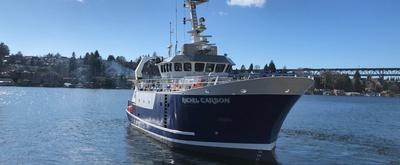
    Oceans, estuaries and coastal habitats are changing quickly, driven by both natural processes and human activities. The Washington Ocean Acidification Center (WOAC) was established by the state legislature to advance research and monitoring of ocean acidification and its biological effects in Washington waters. One facet of that research is the WOAC cruises. We go out three times a year, April, July, and September, to monitor ocean acidification and its affect on biology. These cruises are part of a long term time Ocean Acidification time series.

    Apr 13 – Apr 18, 2024 · 4 d

    Puget Sound

  • Completed

    N2O in the nBUS - Cruise 2 of 2

    Olivia Mason · FSU

    Amendment to the original description: Unforeseen challenges occurred when sampling in the northern Benguela Upwelling System (nBUS). We were unable to obtain samples for NSF projects 2342607 and 2342606, therefore we will sample in the northern Gulf of Mexico for cruise 2 of 2, which is funded by the original NSF award 2113936, and referred to as N20 in the nBUS. This second cruise in the northern Gulf of Mexico (nGOM), provides an opportunity to sample sediments underlying a hypoxic water mass. Using multi-isotope and microbial ecology approaches we will use these samples to investigate sedimentary nitrous oxide production and consumption in the nGOM. Concentration, stable isotopic and isotopomer data, 15N-labeled rate measurements as well as molecular ecology data will be generated and synthesized to determine 1) the net sediment-water column flux of N2O, 2) N2O production and consumption rates for different processes, 3) controls by environmental conditions (e.g., oxygen (O2), hydrogen sulfide (H2S), and nutrient concentrations, O2 penetration depth, as well as organic matter elemental composition), and 4) the link between measured rates and the active processes that lead to N2O production by bacteria, archaea, and microbial eukaryotes, as well as bacterial and archaeal N2O consumption.

    Apr 13 – Apr 26, 2024 · 13 d

    I will sample off the coast of Louisiana in the nGOM hypoxic zone

  • Completed

    Sally Ride · SIO

    NOPP IWR 2024 Spring

    Amy Waterhouse · SIO

    We will deploy an internal-wave-resolving (IWR) array to measure the propagation of the displacement and velocities signals of low-mode internal waves, which contain most of the internal wave SSH variability. The IWR Array deployment focuses on the SWOT Cal/Val site off the coast of California with partial-array deployment in early 2023 (2 PIESs) to coincide with the 90-day fast repeat SWOT orbit. Thereafter, the deployment of the full IWR Array from Fall 2023 through mid-2024 will capture the seasonal variability in the tidal and near-inertial internal waves, extending the NOPP measurements for a full year beyond the 3-month SWOT cal/val period.

    Apr 10 – Apr 18, 2024 · 8 d

    Offshore California

  • Completed

    Transit Cruise

    Robert Kamphaus · UW

    Apr 8 – Apr 23, 2024 · 15 d

  • Completed

    EDH 2024

    Esther Guzman · FAU

    Natural products produced by animals, plants, and microbes have long been recognized as potential sources of drugs and treatments for human illnesses and diseases. Only recently has this potential been recognized in the natural products produced by marine life, but they are having a growing impact in the field of biotechnology, biopharmaceuticals in particular. While the potential of natural products may be great, access to them for preclinical and clinical investigations is not. This research team will explore and document marine habitats in deepwater areas around Puerto Rico and the U.S. Virgin Islands with the goal of collecting marine organisms (e.g., sponges, corals, and microorganisms) that may contain natural products that can be developed into useful pharmaceutical products. Collected samples and subsamples will be stored in and shared via a suite of long-term repositories that will enable future biopharmaceutical research and development. Knowledge gained during and as a result of this work will contribute to the treatment and prevention of existing and emerging illnesses and diseases.

    Apr 8 – Apr 27, 2024 · 19 d

    Puerto Rico and US Virgin Islands

  • Completed

    Ocean 220 Course - 2024

    Richard Keil · UW

    The student cruise for the Ocean 220 Course in Spring 2024

    Apr 7 – Apr 12, 2024 · 4 d

    Pacific NW

  • Completed

    Atlantis · WHOI

    ALVIN Engineering Dive

    Rick Chandler · WHOI

    ALVIN engineering dive during Joye cruise

    Apr 6 – Apr 30, 2024 · 24 d

    This work will be conducted in the Gulf of California

    Sails with 1 other project

  • Completed

    Atlantis · WHOI

    Gulf of California

    Samantha Joye · UGA

    Oceanic hydrothermal ecosystems have captivated the imagination of scientists and the general public since their discovery ~40 years ago. These habitats are characterized by extremes in temperature and pH, low oxygen concentrations, and high concentrations of toxic metals. Despite this, these ecosystems support rich and abundant microbial communities that achieve high rates of biogeochemical cycling. This project supports unprecedented studies to identify the impact of chemical regimes on microbial and viral community composition, diversity, and activity in areas in the Gulf of California along a range of hydrothermalism and dissolve oxygen levels. The project provides training opportunities for undergraduate and graduate students. Results are communicated through talks and lectures, publications, and data sharing through public repositories. The work will be shared through Ocean Discovery Camp and Clubs for diverse middle school students, displays at the Georgia Museum of Art, and a collaboration with the BBC Planet Earth III ? Oceans team. Through these cumulative efforts, the project will forge a strong legacy in education and in fostering ocean literacy and promoting ocean advocacy in the general public. The Gulf of California is a system where hydrothermal fluids flow through and alter sediment prior to discharge into deep waters. In sediments, fluid flow modulates biological dynamics through changes in carbon loading and electron accepter availability. In the water column, inorganic and organic energy sources are injected into hypoxic deep waters, creating dynamic chemical niches. This project studies how gradients in geochemistry shape and modulate the microbial and viral communities that carry out key biogeochemical reactions in sediments and in the water column of Guaymas and Pescadero Basins. The research integrates data streams from biogeochemistry, genomics, and microbiology, including single-cell activity approaches, to achieve unprecedented insight into regulatory mechanisms and dynamics. The project includes experiments and observations in the laboratory and at sea during an expedition on the R/V Atlantis with the deep submergence vehicle ALVIN in 2022. Key topics for investigation include: (1) Do variations in geochemical regimes select for metabolically plastic microbial populations? (2) Do different microbes become active under specific geochemical conditions or do the same microbes adapt to changing geochemical conditions? (3) What is the role of viruses in shaping the microbial populations present in highly dynamic hydrothermal habitats?

    Apr 6 – Apr 30, 2024 · 24 d

    This work will be conducted in the Gulf of California

    Sails with 1 other project

  • Completed

    OFP time-series Spring 24

    Maureen Conte · BIOS

    This award provides an additional three years of support for the Oceanic Flux Program (OFP). This program was first established in 1978 to measure the export flux of particles from the surface to the deep ocean in the deep Sargasso Sea and represents the longest and most continuous particle flux time-series of its kind. This program and the time-series record will continue to help the oceanographic community to answer questions about the relationship between deep ocean particle flux and climate and biological, physical, and chemical oceanographic processes. In the past, the OFP has provided evidence for coupling between the upper and deep ocean processes linked to seasonal, episodic (e.g., physical and meteorological forcing) and climate patterns. Looking to the future, this program will utilize increasingly advanced instrumentation and analytical tools to address questions about the material that sinks from the surface to deep ocean and its controls. The OFP provides education and training for students from the high school to Ph.D. level and supports early career researchers. The OFP time-series represents a 43-year, nearly continuous record focused on particle fluxes in the deep ocean. With increasingly more data available from the lengthening record, investigators can put observed biogeochemical patterns into perspective to understand the interplay between climate and ocean functioning. The availability of data from complementary nearby Hydrostation S, the Bermuda Atlantic Time-Series (BATS), the Bermuda Testbed Mooring (1994-2007), the Tudor Hill atmospheric tower and other Bermuda sampling programs provide additional opportunities to study upper ocean physics and biogeochemistry coupled with deep ocean biogeochemical processes. The OFP record is becoming long enough to study deep flux linkages with gyre circulation and advective processes. The OFP’s archive is an unparalleled resource for retrospective studies of temporal trends and the biogeochemical consequences of a changing ocean, including future impacts of ocean acidification. As the OFP heads into the future, increasingly sophisticated OFP mooring instrumentation (ADCP current profiling and backscatter; MicroCAT temperature, salinity, and oxygen measurements) and advances in digital imaging and analytical tools (both chemical and genomic) to probe the recovered flux materials continue to reveal novel, fundamental information about the oceanic particle flux and its controls.

    Apr 6 – Apr 11, 2024 · 5 d

    OFP Site Sargasso Sea

  • Completed

    WBTS - FLS 27N

    Ryan Smith · AOML

    Researchers from NOAA's Atlantic Oceanographic and Meteorological Laboratory (AOML) in Miami, FL, conduct regular bimonthly hydrographic surveys at 27N in the Florida Straits to monitor the transport and water-mass properties of the Florida Current. The Florida Current is part of the Gulf Stream system, which is the upper limb of the western boundary current system in the North Atlantic Ocean. These cruises are a part of the laboratory’s long-running Western Boundary Time Series (WBTS) project and directly measure the Florida Current at nine locations across the Straits of Florida at 27N, between Jupiter, Florida, and the Little Bahama Bank in the Bahamas. WBTS 27N hydrographic sections, conducted bimonthly throughout the year, are critical to improving our understanding of the North Atlantic Subtropical Gyre circulation and the Atlantic Meridional Overturning Circulation (AMOC). Importantly, data collected during these cruises and others are also used to calibrate the 27N submarine cable system which publicly provides daily transport estimates of the Florida Current . The AMOC is a significant factor in climate change, oceanic carbon sequestration, and sustainable fisheries. In addition to the direct ship-based measurements conducted during WBTS 27N cruises, these surveys also support and service project moored instrumentation, located on either side of the Straits, which provide key times series data. These monitoring efforts are necessary for quantifying AMOC and gyre variability over time and for identifying decadal changes in the large-scale circulation, water-mass properties, and heat transport. The WBTS project is part of an international collaboration which partners include AOML’s WBTS, the University of Miami’s Rosenstiel School of Marine and Atmospheric Science (UM/RSMAS) Meridional Overturning Circulation and Heat-flux Array (MOCHA) Program, and the UK National Oceanography Centre’s Rapid Climate Change (RAPID) Program.

    Apr 4 – Apr 5, 2024 · 1 d

    Straits of Florida

  • Completed

    HOT 2 2024

    angelicque white · UH

    Systematic long-term (greater than a few decades in length) time-series observations of aquatic and terrestrial environments have led to a more comprehensive understanding of the natural ecosystem variability and have enabled an assessment of human impacts on ecosystem dynamics. Because of their ability to store and transport large amounts of heat and to absorb carbon dioxide from the atmosphere, the world's oceans play a critical role in modulating environmental conditions for the sustained well-being of both land-based and marine organisms including humans. Despite their recognized scientific and societal importance, long-term records of key ocean processes are rare. In 1988, the Hawaii Ocean Time-series (HOT) program, near Hawaii was established. For over three decades, teams of scientists based at the University of Hawaii have made critical measurements of the 'state of our sea.' These long-term observations have established a baseline against which future states can be compared. The ship-based HOT program complements other diverse ocean observation programs including remote-sensing via satellites, moored buoys, profiling floats, and autonomous underwater vehicles. All HOT program data are publicly available and are frequently used by researchers and policy makers around the world.

    Apr 1 – Apr 5, 2024 · 4 d

    Station ALOHA (22.75N, 158W)

  • Completed

    OOI-Pioneer MAB 2024-spring

    Al Plueddemann · WHOI

    Major infrastructure deployment and servicing cruise for the Pioneer Array of the National Science Foundation’s Ocean Observatories Initiative (OOI). The Pioneer Array includes a network of moorings and autonomous robotic vehicles to monitor waters of the continental shelf and slope NE of Cape Hatteras, NC and the shelf break front where nutrients and other properties are exchanged between the coast and the deep ocean. Data from the Pioneer Array will provide new insights into coastal ocean processes such as shelf/slope nutrient exchange, air-sea property exchange, carbon cycling, and ocean acidification that are important to the Mid-Atlantic Bight shelf, and to continental shelf ecosystems around the world. For further information, see http://www.oceanobservatories.org.

    Apr 1 – Apr 21, 2024 · 20 d

    Mid-Atlantic Bight NE of Cape Hatteras, NC

  • Completed

    QUICCHE

    Lisa Beal · UMIAMI

    Model studies and satellite data suggest that Agulhas leakage -- the flux of Indian Ocean waters into the South Atlantic -- is increasing with climate change and that the associated trend in salt flux into the Atlantic may help stabilize the Atlantic meridional overturning circulation. Agulhas leakage also impacts the adjacent Benguela upwelling system, with increasing eddy kinetic energy expected to flush more nutrients and organisms offshore, causing a reduction in the productivity of this important fishery. So far, the turbulent nature of leakage has confounded observational evidence for these trends and influences. Here we propose an entirely novel approach to this important problem, using an eddy flux framework. Along the way we will be the first to characterize stirring and mixing in the unique eddy-dominated flow regime of the Cape Basin. The objectives of our project are to: (1) Observe and characterize submesoscale features generated by the mesoscale eddy strain field within the Cape Cauldron for the first time. (2) Make novel estimates of Agulhas leakage fluxes with these new observations, using theoretical eddy diffusivity and eddy flux frameworks. (3) Relate diffusivity and fluxes to new and existing satellite altimeter observations to infer variability in Agulhas leakage. To achieve these objectives we will collect new observations within the Cape Basin, targeting several dynamical regimes -- e.g. filamentation, eddy-eddy interaction -- to measure the related submesoscale features and estimate diffusivities. From these measurements we will quantify eddy heat and salt fluxes, similar to the way poleward heat flux has been successfully estimated in the Southern Ocean. We will use both Eulerian and Lagrangian instrumentation, including moorings, an undulating CTD system, gliders, drifters, profiling floats, and microstructure turbulence profilers, capturing time and space scales from hours to seasons and from 1 to 100 km. Our new observations will be synthesized and analyzed alongside other datasets, including measurements from the SWOT crossover in the Cape Basin and output from a 1/60 degree simulation, in order to generate a proxy for decadal leakage variability that can constrain climate projections.

    Mar 31 – Apr 5, 2024 · 5 d

    Cape Basin, Southeast Atlantic

  • Completed

    Sikuliaq · UAF

    PNW Foram Ecology

    Jennifer Fehrenbacher · OSU

    Requestions ship time to recover and redeploy sediment traps near the OOI slope base node. We will join the OOI cruises in April and September (Piggy-back) to complete this research. In addition to recovering and redeploying the traps, we will conduct CTD casts and plankton tows.

    Mar 29 – Apr 11, 2024 · 13 d

    Central Oregon to central Washington shelf and slope

    Sails with 1 other project

  • Completed

    Sikuliaq · UAF

    OOI Endurance Array OM

    Edward Dever · OSU

    Deploy and recover oceanographic surface moorings, profilers and gliders for the Ocean Observatories Initiative (OOI) Coastal Endurance Array. Seven surface moorings will be deployed and recovered over the shelf and slope of central Oregon and central Washington. Up to four profiler moorings will be deployed and recovered over the shelf of central Oregon and central Washington. Up to six gliders will be deployed and recovered off the coasts of central Oregon and Washington. The moorings, profilers and gliders include multidisciplinary sensors taking multiyear time series as part of OOI. During the cruise, the ship will aslo acquire data for validation of these sensors (underway oceanographic and meteorological data, CTD and auxiliary sensor profile data and CTD rosette bottle samples.

    Mar 29 – Apr 11, 2024 · 13 d

    Central Oregon to central Washington shelf and slope

    Sails with 1 other project

  • Completed

    2024 Jason Engineering

    Kevin Kavanagh · UNOLS

    Mar 29 – Apr 27, 2024 · 29 d

    Sampling and mapping of volcanic features associated with the Revillagigedo Archipelago

    Sails with 1 other project

  • Completed

    Revillagigedo

    Katherine Kelley OLD ACCOUNT · URI

    Intraplate Magmatism at the Revillagigedo Archipelago, Mexico Most volcanic activity on Earth takes place at arcs like the Cascades or within plates at hotspots, such as Hawaii. Recent work reveals another class of within-plate volcanism that can?t be explained by either of these processes. This project will explore the causes of volcanic activity in one of these places, the Revillagigedo archipelago, active volcanic islands and underwater volcanoes. The volcanism in the area, with no active plate boundary and no evidence of a deep root beneath it, provides an ideal location to test ideas about why this kind of volcanism occurs. We will conduct a research voyage to these islands to study the seafloor and measure properties of the ocean crust. Submersible dives will observe the underwater volcanic systems and collect samples of lava. The chemical composition of lava from the cruise and existing samples from the above-water volcanoes will be used with the geophysical measurements to develop an explanation for why this area is volcanically active.

    Mar 29 – Apr 27, 2024 · 29 d

    Sampling and mapping of volcanic features associated with the Revillagigedo Archipelago

    Sails with 1 other project

  • Completed

    BATS 2024 - BATS Bloom 2

    Nicholas R. Bates · BIOS

    Long-term observations over several decades are a powerful tool for investigating ocean physics, biology, and chemistry, and the response of the oceans to environmental change. The Bermuda Atlantic Time-Series Study, known as BATS, has been running continuously since 1988. The research goals of the BATS program are: (1) to improve our understanding of the time-varying components of the ocean carbon cycle and the cycles of related nutrient elements such as nitrogen, phosphorus, and silicon; and, (2) to identify the relevant physical, chemical and ecosystem properties responsible for this variability. In addition, the BATS program has strong and diverse broader impacts, contributing to the field of ocean sciences by providing high quality ocean observations and data for seagoing scientists and modelers, and a framework through which researchers can conceive and test hypotheses. This award will support the operations of the BATS program for five more years. The primary BATS research themes are as follows: (1) Quantify the role of ocean-atmosphere coupling and climate variability on air-sea exchange of CO2, and carbon export to the ocean interior; (2) Document trends and the controls on the interannual to decadal scale variability in carbon and nutrient cycles to their coupling in the surface and deep ocean via the Redfield Ratio paradigm; (3) Quantify the response of planktonic community structure and function, and impact on biogeochemical cycles to variability in surface fluxes and dynamical processes; (4) Facilitate development, calibration and validation of next generation oceanographic sensors, tools and technologies; and, (5) Generate a dataset that can be utilized by empiricists, modelers and students. This research integrates ocean physics, chemistry and biology into a framework for understanding oceanic processes and ocean change in the North Atlantic subtropical gyre. The existing 29 years of BATS data provide robust constraints on seasonal and interannual variability, the response of the Sargasso Sea ecosystem to natural climate variability, and signal detection of potential ocean changes. This project would extend the BATS program through years 31-35 to address a series of ten interlinked questions through integrated research approaches and a multitude of collaborative efforts. In addition to the themes above, and embedded into the ten questions and approaches, the BATS team will focus on, for example, coupling of particle production and biogeochemistry; revisiting the complexities of the biological carbon pump; oxygen decline; and changes in the hydrography, physics, ocean carbon cycle and biogeochemistry of the Sargasso Sea. The highest quality data observation and collection will be maintained and used to address these questions. Importantly, a wide range of collaborations at the BATS site, spanning the physical and biogeochemical disciplines, will aid these broad goals. Strong links to community stakeholders, and close collaboration (including methods intercomparisons and personnel exchanges) with the Hawaii Ocean Time-series are proposed. This work will extend the research findings of the project into educational and training opportunities within and beyond the oceanographic community, including training and mentorship of both undergraduate and graduate students.

    Mar 25 – Mar 27, 2024 · 2 d

    Atlantic

    Sails with 1 other project
  • Completed

    Hydro S - 2024 7of24

    Nicholas R. Bates · BIOS

    One of the longest open-ocean hydrographic stations in the world is maintained at the Hydrostation S site (formerly known as the Panulirus site) located ~25 km southeast of Bermuda in the North Atlantic Ocean. This program of repeat biweekly hydrographic observations began in 1954 (by Hank Stommel) and now, in its seventh decade, has proved to be the catalyst for numerous studies of ocean physics, biological processes and biogeochemistry. Hydrostation S continues to be recognized as one of the most important sustained ocean time–series. The renewal of the Hydrostation S program is proposed herein, extending this invaluable time–series of ocean hydrography to almost 70 years. The upper ocean warming trend has strengthened (about +1.4° C since the 1970's; ~+0.8°C in last decade) with significant salinification (+0.16). Deeper waters such as the Labrador Sea Water has cooled by a few tenths of a degree and freshened with a marked decadal oscillation. The signature of deoxygenation has been observed at Hydrostation S in the upper ocean (about 4 µmoles kg -1 decade -1 decrease in dissolved oxygen) as well as the oxygen minimum zone (~2.5 µmoles kg -1 decade -1 ). Hydrostation S also supports the longest global ocean CO 2 and acidification time-series (from 1983 to present) The major objective of the proposal is to continue Hydrostation S into the eighth decade with numerous questions related to warming and cooling, salinification and freshening, deoxygenation and insights on biogeochemical changes over time. This program constitutes frequent water column sampling of temperature, salinity, and dissolved oxygen (and indirectly, sampling of important ocean carbon time–series) of the North Atlantic subtropical gyre at the Hydrostation S site. Such work is complementary to other sustained observations such as the Bermuda Atlantic Time–series Study (BATS) and Ocean Flux Program (OFP). We propose to carry out a similar sampling format that has been followed for the past 68 years. As for the past ten years, we would continue to conduct two CTD profiles to better capture the deep–water variability while maintaining all the previous discrete depths. The first CTD cast will profile to full ocean depth (3,300–3,500 m) while the second CTD cast will profile to 500 m (to allow for instrumentation not rated for full ocean depth such as a PAR sensor). One indirect objective will be to continue to collaboratively evaluate a BIOS-based glider program with Hydrostation S data as critically important ground truthing data. The existing glider program has challenging issue, and the aim of this effort is to use robust and highly accurate Hydrostation S data to test the capability of emerging technologies over the next five to ten years.

    Mar 25 – Mar 27, 2024 · 2 d

    Atlantic

    Sails with 1 other project
  • Completed

    Sally Ride · SIO

    OSU Student Cruise

    Miguel Goni · OSU

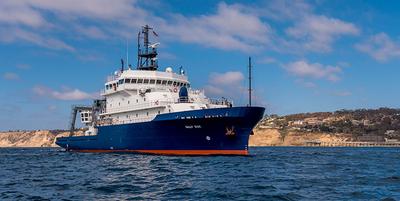
    As in previous years, OSU's Student Oceanographic Cruise is an integral part of the course-series “OC 295 – Introduction to Field Oceanography - Land” and “OC 296 – Introduction to Field Oceanography – Sea”, which are required for the undergraduate Ocean Science major. The OC 295/OC 296 course series is designed to introduce students to shipboard oceanography, including participation in a multi-day oceanographic research cruise aboard a state-of-the art oceanographic research vessel. The cruise objectives included training students on a variety of oceanographic shipboard procedures and equipment, such as the use of CTD-rosette for hydrographic observations and water sampling, acoustic instrumentation for determination of currents and sub-surface features, several types of nets for recover plankton samples, as well as sediment sampling using multi-core gravity coring equipment. The cruise also allowed the students to be introduced to oceanographic operations (e.g., deployment and recovery of equipment), onboard sample and data handling, general navigation, ship safety and life at sea. Because of the size of the 2024 class, we expect to have two legs to the cruise. At this point we have flexibility on the embarkation/disembarkation ports and on the ship as long as it can accommodate 22 individuals as part of the science crew for each leg. Where we do not have much flexibility is on the dates, which need to coincide with OSU's spring break. Here is a draft of the schedule I have put together for the OSU Student Cruise: 3/23/2024 Saturday MOB Day/Leg 1 Students travel to ship 3/24/2024 Sunday Leg 1 - Science day 1 3/25/2024 Monday Leg 1 - Science day 2 3/26/2024 Tuesday Leg 1 - Science day 3 3/27/2024 Wednesday DMOB/MOB day - Leg 1 students disembark; Leg 2 travel to ship and embark 3/28/2024 Thursday Leg 2 - Science day 1 3/29/2024 Friday Leg 2 - Science day 2 3/30/2024 Saturday Leg 2 - Science day 3 3/31/2024 Sunday DMOB day - Leg 2 disembark travel to ship

    Mar 24 – Mar 30, 2024 · 6 d

    West Coast of US

  • Completed

    Transit Cruise

    Robert Kamphaus · UW

    Mar 21 – Mar 23, 2024 · 1 d

  • Completed

    RVWS drill Day

    Don Cucchiara · UMIAMI

    A day at sea to run drills (Fire, MOB, dropping anchors, launching small boat)

    Mar 21, 2024 · 1 d

    Biscayne Bay, Miami

  • Completed

    ME DMR MMR CR 7.24

    Sarah Leiter · ME DMR

    Please see the link for information regarding ME DMR research projects. Improved Right Whale Monitoring, Gear Research, and Fisheries Data | Department of Marine Resources (maine.gov)

    Mar 19 – Apr 8, 2024 · 20 d

    Gulf of Maine

  • Completed

    BIOS-SCOPE

    Craig Carlson · UCSB

    BIOS-SCOPE II - An interdisciplinary Exploration of Microbial Oceanography in the North Atlantic Subtropical Gyre BIOS-SCOPE research brings a unique set of investigative skills and talents together to study the seasonally oligotrophic Sargasso Sea. The BIOS-SCOPE team mission is to advance an understanding of ocean food web sources, sinks and transformations of dissolved and particulate organic matter in the context of defining characteristics of the seasonally oligotrophic Sargasso Sea. The location of the BIOS-SCOPE study, the Bermuda Atlantic Time-series Study (BATS) site, experiences vigorous physical mixing in winter / spring followed by quiescent and stratified periods in the summer / early fall that results in both spring phytoplankton blooms and extremely low-nutrient surface conditions in each annual cycle. The dramatic seasonality of BATS makes it an excellent site for exploring features of biogeochemistry related to ocean mixing and stratification, and for exploring the long-term consequences of ocean surface warming. This study site supports the longest running open ocean metagenomics time-series in oceanography northwestern Sargasso Sea. Advances in understanding organism-organism and organism-organic compound interactions that were made in the first 5 years of the program are described in detail in the companion BIOS-SCOPE project report. These discoveries were founded on technological advances in sequencing, analytical chemistry and computation, and supported by the BIOS-SCOPE logistical framework, which has proven robust and responsive to changing investigative priorities. In its second phase BIOS-SCOPE is poised to apply its revised and more effectively integrated range of skills to investigate specific mechanisms of organic matter production, oxidation and transformation in both DOM and POM. We will further explore the link between biogeochemical variability, its control on phytoplankton community structure and how that affects the quality, quantity and cycling of organic matter. New metagenomic approaches will be used to further explore viral ecology in this oligotrophic system and how it controls microbial community and biogeochemical cycling. We have organized the interdisciplinary efforts of the BIOS-SCOPE investigators into three main themes that include: Theme I. Linkages between temporal variability of biological community structure and ocean biogeochemistry. Theme II. Characterization of dissolved and particulate organic matter and its relation to biological transformation. Theme III. Systems biology and evolution for the discovery and exploration of new mechanisms of organic matter oxidation and cellular interactions.

    Mar 19 – Mar 22, 2024 · 3 d

    Bermuda Atlantic Time series Study site in the northwestern Sargasso Sea

NewerPage 30 of 55Older