VesselConnect
  • Completed

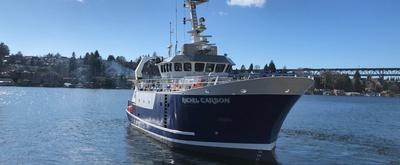
    Pelican · LUMCON

    Shell Stones WS retrieval

    Jacob Fredrickson · Fugro GEOS Inc

    Retrieve Shell Stones Fugro buoy after it broke free of its mooring on 11 February 2025 and return to dock.

    Feb 12 – Feb 14, 2025 · 1 d

    Gulf of Mexico - Near Turritella

  • Completed

    TPADS

    Jennifer MacKinnon · SIO

    Accurate forecast models of upper ocean temperature and sound speed profiles, air-sea heat exchange, and rates of sea ice melt all share in common a need for accurate prediction and parameterization of turbulent fluxes through the top ∼ 10-50 meters of the ocean. Such fluxes play a gate-keeping role in regulating air-sea heat fluxes at low latitudes (and hence the oceans role in MISO, MJO, and other coupled phenomena), fluxes to/from sea ice at high latitudes, and fluxes through most of the water column in the shallow coastal ocean. The phenomenology of upper ocean turbulence includes a combination of wind-driven mixing, Langmuir turbulence, sub-mesoscale re-stratification (especially in regions of strong lateral fronts), diurnal cycling from solar heating, and turbulence from breaking internal and surface waves, though obviously the specific balance of those processes varies from place to place. This is in contrast to most regional or global models, which parameterize upper ocean turbulent heat fluxes using one- dimensional mixing schemes. Improved understanding and parameterization requires better observations of the true three-dimensional nature of upper ocean instabilities. Our group has been developing a novel towed phased array doppler sonar system (TPADS), for imaging three-dimensional volumes of upper ocean currents. Here we request ship time to test ongoing technical developments to this system.

    Feb 12 – Feb 14, 2025 · 1 d

    Offshore of San Diego

  • Completed

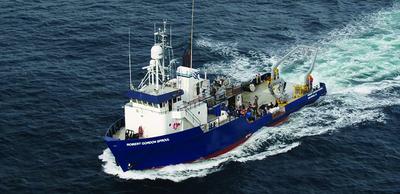
    Sikuliaq · UAF

    HOT2 25

    angelicque white · UH

    Systematic long-term (greater than a few decades in length) time-series observations of aquatic and terrestrial environments have led to a more comprehensive understanding of the natural ecosystem variability and have enabled an assessment of human impacts on ecosystem dynamics. Because of their ability to store and transport large amounts of heat and to absorb carbon dioxide from the atmosphere, the world's oceans play a critical role in modulating environmental conditions for the sustained well-being of both land-based and marine organisms including humans. Despite their recognized scientific and societal importance, long-term records of key ocean processes are rare. In 1988, the Hawaii Ocean Time-series (HOT) program, near Hawaii was established. For over three decades, teams of scientists based at the University of Hawaii have made critical measurements of the 'state of our sea.' These long-term observations have established a baseline against which future states can be compared. The ship-based HOT program complements other diverse ocean observation programs including remote-sensing via satellites, moored buoys, profiling floats, and autonomous underwater vehicles. All HOT program data are publicly available and are frequently used by researchers and policy makers around the world.

    Feb 10 – Feb 14, 2025 · 4 d

    Station ALOHA (22.75N, 158W)

  • Completed

    BATS 2025 - 1of12

    Nicholas R. Bates · BIOS

    Long-term observations over several decades are a powerful tool for investigating ocean physics, biology, and chemistry, and the response of the oceans to environmental change. The Bermuda Atlantic Time-Series Study, known as BATS, has been running continuously since 1988. The research goals of the BATS program are: (1) to improve our understanding of the time-varying components of the ocean carbon cycle and the cycles of related nutrient elements such as nitrogen, phosphorus, and silicon; and, (2) to identify the relevant physical, chemical and ecosystem properties responsible for this variability. In addition, the BATS program has strong and diverse broader impacts, contributing to the field of ocean sciences by providing high quality ocean observations and data for seagoing scientists and modelers, and a framework through which researchers can conceive and test hypotheses. This award will support the operations of the BATS program for five more years. The primary BATS research themes are as follows: (1) Quantify the role of ocean-atmosphere coupling and climate variability on air-sea exchange of CO2, and carbon export to the ocean interior; (2) Document trends and the controls on the interannual to decadal scale variability in carbon and nutrient cycles to their coupling in the surface and deep ocean via the Redfield Ratio paradigm; (3) Quantify the response of planktonic community structure and function, and impact on biogeochemical cycles to variability in surface fluxes and dynamical processes; (4) Facilitate development, calibration and validation of next generation oceanographic sensors, tools and technologies; and, (5) Generate a dataset that can be utilized by empiricists, modelers and students. This research integrates ocean physics, chemistry and biology into a framework for understanding oceanic processes and ocean change in the North Atlantic subtropical gyre. The existing 29 years of BATS data provide robust constraints on seasonal and interannual variability, the response of the Sargasso Sea ecosystem to natural climate variability, and signal detection of potential ocean changes. This project would extend the BATS program through years 31-35 to address a series of ten interlinked questions through integrated research approaches and a multitude of collaborative efforts. In addition to the themes above, and embedded into the ten questions and approaches, the BATS team will focus on, for example, coupling of particle production and biogeochemistry; revisiting the complexities of the biological carbon pump; oxygen decline; and changes in the hydrography, physics, ocean carbon cycle and biogeochemistry of the Sargasso Sea. The highest quality data observation and collection will be maintained and used to address these questions. Importantly, a wide range of collaborations at the BATS site, spanning the physical and biogeochemical disciplines, will aid these broad goals. Strong links to community stakeholders, and close collaboration (including methods intercomparisons and personnel exchanges) with the Hawaii Ocean Time-series are proposed. This work will extend the research findings of the project into educational and training opportunities within and beyond the oceanographic community, including training and mentorship of both undergraduate and graduate students.

    Feb 10 – Feb 14, 2025 · 4 d

    Atlantic

    Sails with 1 other project
  • Completed

    Hydro S - 2025 1of24

    Nicholas R. Bates · BIOS

    One of the longest open-ocean hydrographic stations in the world is maintained at the Hydrostation S site (formerly known as the Panulirus site) located ~25 km southeast of Bermuda in the North Atlantic Ocean. This program of repeat biweekly hydrographic observations began in 1954 (by Hank Stommel) and now, in its seventh decade, has proved to be the catalyst for numerous studies of ocean physics, biological processes and biogeochemistry. Hydrostation S continues to be recognized as one of the most important sustained ocean time–series. The renewal of the Hydrostation S program is proposed herein, extending this invaluable time–series of ocean hydrography to almost 70 years. The upper ocean warming trend has strengthened (about +1.4° C since the 1970's; ~+0.8°C in last decade) with significant salinification (+0.16). Deeper waters such as the Labrador Sea Water has cooled by a few tenths of a degree and freshened with a marked decadal oscillation. The signature of deoxygenation has been observed at Hydrostation S in the upper ocean (about 4 µmoles kg -1 decade -1 decrease in dissolved oxygen) as well as the oxygen minimum zone (~2.5 µmoles kg -1 decade -1 ). Hydrostation S also supports the longest global ocean CO 2 and acidification time-series (from 1983 to present) The major objective of the proposal is to continue Hydrostation S into the eighth decade with numerous questions related to warming and cooling, salinification and freshening, deoxygenation and insights on biogeochemical changes over time. This program constitutes frequent water column sampling of temperature, salinity, and dissolved oxygen (and indirectly, sampling of important ocean carbon time–series) of the North Atlantic subtropical gyre at the Hydrostation S site. Such work is complementary to other sustained observations such as the Bermuda Atlantic Time–series Study (BATS) and Ocean Flux Program (OFP). We propose to carry out a similar sampling format that has been followed for the past 68 years. As for the past ten years, we would continue to conduct two CTD profiles to better capture the deep–water variability while maintaining all the previous discrete depths. The first CTD cast will profile to full ocean depth (3,300–3,500 m) while the second CTD cast will profile to 500 m (to allow for instrumentation not rated for full ocean depth such as a PAR sensor). One indirect objective will be to continue to collaboratively evaluate a BIOS-based glider program with Hydrostation S data as critically important ground truthing data. The existing glider program has challenging issue, and the aim of this effort is to use robust and highly accurate Hydrostation S data to test the capability of emerging technologies over the next five to ten years.

    Feb 10 – Feb 14, 2025 · 4 d

    Atlantic

    Sails with 1 other project
  • Completed

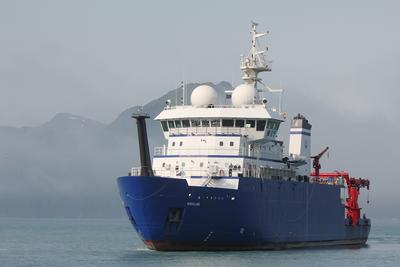
    Sikuliaq · UAF

    SKQ Cals 2025

    Ethan Roth · UAF

    Now that Sikuliaq's vessel coordinate survey is complete, we can correct inconsistencies in relation to the actual origin, rather than the previously calculated origin. Once these geometries are updated in the sonar systems, it is necessary to conduct calibrations for system verification of measured offsets. In addition, we can use the 3D laser scans from the survey results to finally implement motion compensation for winches overboarding from the stern A-frame. This requires dedicated ship time to tune the regulator settings in the winch control system while a clump weight is deployed in moderate sea states.

    Feb 3 – Feb 6, 2025 · 3 d

    Main Hawaiian Islands

  • Completed

    Pelican · LUMCON

    MD RTMM ES 2025

    Eric Aronchick · WHOI

    Our real time metocean buoy has a power failure in the main battery bank of the surface buoy. We intend to recover the surface buoy, repair the power issue, and then redeploy the surface buoy. We do not intend on recovering the entirety of the mooring, just the surface buoy. Temporary flotation will be deployed in place of the surface buoy to prevent us from having to recover the main mooring line and components.

    Feb 1 – Feb 5, 2025 · 4 d

    US GoM, Approx. 120 nm S of Cocodrie, LA

  • Completed

    Sally Ride · SIO

    OCB - Mass Wasting & Tectonics

    Andrea Fabbrizzi · SIO

    Ocean slopes and basin floor environments are shaped by extensive gravitational sediment transport processes known as submarine mass-wasting, frequently associated with seismic activity. Offshore active fault systems and submarine landslides pose a serious geohazard to infrastructure and coastal populations, but they are difficult to reach and therefore relatively understudied. Coastal communities may be affected by submarine faults through earthquakes and the subsequent tsunami waves they may produce. From the Santa Rosa-Cortes Ridge to the Velero Basin, the Ferrelo fault zone is supposedly active and strike-continuous, with a significant lateral offset. In the Outer California Borderland (OCB), the Santa Cruz, San Nicholas, Tanner, Cortes, and Velero basins are just a few of the basins that could experience earthquake-induced slope failures and gravitational mass-transport deposits (MTDs), if a portion of the Ferrelo fault reactivates along its main rupture length >350 km. Here, rather than being impacted by sea-level lowstand, the downslope mobilization of sediment largely happens in reaction to the peak ground motion acceleration and seismic shaking. Consequently, this survey's relevance extends beyond a study of a specific basin and highlights the necessity of constraining the geohazard of offshore tectonic structures and underwater mass wasting to Southern California's coastal communities and infrastructures.

    Feb 1 – Feb 13, 2025 · 11 d

    Outer California Borderland

    Sails with 1 other project

  • Completed

    Sally Ride · SIO

    CCB_Structures2024

    Brian Oller · SIO

    SR2303 was a U.C. Ship Funds funded cruise with the objective of mapping and sampling the Catalina Crater and Emory Knoll from February to March 2023. The high-resolution swath bathymetry and sub-bottom data obtained on this cruise suggests the Catalina Crater to be a potential volcanic structure. Both bathymetric and sub-bottom stratigraphy data show evidence for a series of northwest striking, left-stepping faults through the eastern section on the Catalina Crater mote. Rock samples dredged from the central plateau show clear evidence of a subaerial eruption which contradicts previous interpretations of this structure. Additionally, samples dredged from Emory Knoll were also volcanic contradicting previous interpretation of this as a tectonically controlled “pop-up” structure. Preliminary geochemical analysis of these samples show they are a trachyandesite composition and have broadly similar trace element patterns to volcanic rocks from Santa Cruz Island. These results could have a profound impact for the interpretation of California Borderland evolution as well as elucidating a previously unknown geohazard for Southern California. We propose to complete the survey of the Catalina Crater rim and continue the sampling campaign along the Catalina Crater walls and Emory Knoll if time permits.

    Feb 1 – Feb 13, 2025 · 11 d

    Outer California Borderland

    Sails with 1 other project

  • Completed

    NP-BM July event

    Sarah Lauff · USN

    The Sproul shall be used for a test event off of San Clemente Island during July 2024. The test event will be coordinated by NIWC PAC and the goals of the test event will be approved by FACSFAC prior to any operations.

    Jan 29 – Feb 3, 2025 · 6 d

    san clemente island

  • Completed

    BATS 2025 - BATS Bloom 3

    Nicholas R. Bates · BIOS

    Long-term observations over several decades are a powerful tool for investigating ocean physics, biology, and chemistry, and the response of the oceans to environmental change. The Bermuda Atlantic Time-Series Study, known as BATS, has been running continuously since 1988. The research goals of the BATS program are: (1) to improve our understanding of the time-varying components of the ocean carbon cycle and the cycles of related nutrient elements such as nitrogen, phosphorus, and silicon; and, (2) to identify the relevant physical, chemical and ecosystem properties responsible for this variability. In addition, the BATS program has strong and diverse broader impacts, contributing to the field of ocean sciences by providing high quality ocean observations and data for seagoing scientists and modelers, and a framework through which researchers can conceive and test hypotheses. This award will support the operations of the BATS program for five more years. The primary BATS research themes are as follows: (1) Quantify the role of ocean-atmosphere coupling and climate variability on air-sea exchange of CO2, and carbon export to the ocean interior; (2) Document trends and the controls on the interannual to decadal scale variability in carbon and nutrient cycles to their coupling in the surface and deep ocean via the Redfield Ratio paradigm; (3) Quantify the response of planktonic community structure and function, and impact on biogeochemical cycles to variability in surface fluxes and dynamical processes; (4) Facilitate development, calibration and validation of next generation oceanographic sensors, tools and technologies; and, (5) Generate a dataset that can be utilized by empiricists, modelers and students. This research integrates ocean physics, chemistry and biology into a framework for understanding oceanic processes and ocean change in the North Atlantic subtropical gyre. The existing 29 years of BATS data provide robust constraints on seasonal and interannual variability, the response of the Sargasso Sea ecosystem to natural climate variability, and signal detection of potential ocean changes. This project would extend the BATS program through years 31-35 to address a series of ten interlinked questions through integrated research approaches and a multitude of collaborative efforts. In addition to the themes above, and embedded into the ten questions and approaches, the BATS team will focus on, for example, coupling of particle production and biogeochemistry; revisiting the complexities of the biological carbon pump; oxygen decline; and changes in the hydrography, physics, ocean carbon cycle and biogeochemistry of the Sargasso Sea. The highest quality data observation and collection will be maintained and used to address these questions. Importantly, a wide range of collaborations at the BATS site, spanning the physical and biogeochemical disciplines, will aid these broad goals. Strong links to community stakeholders, and close collaboration (including methods intercomparisons and personnel exchanges) with the Hawaii Ocean Time-series are proposed. This work will extend the research findings of the project into educational and training opportunities within and beyond the oceanographic community, including training and mentorship of both undergraduate and graduate students.

    Jan 28 – Jan 30, 2025 · 2 d

    Atlantic

    Sails with 1 other project
  • Completed

    Hydro S - 2025 5of24

    Nicholas R. Bates · BIOS

    One of the longest open-ocean hydrographic stations in the world is maintained at the Hydrostation S site (formerly known as the Panulirus site) located ~25 km southeast of Bermuda in the North Atlantic Ocean. This program of repeat biweekly hydrographic observations began in 1954 (by Hank Stommel) and now, in its seventh decade, has proved to be the catalyst for numerous studies of ocean physics, biological processes and biogeochemistry. Hydrostation S continues to be recognized as one of the most important sustained ocean time–series. The renewal of the Hydrostation S program is proposed herein, extending this invaluable time–series of ocean hydrography to almost 70 years. The upper ocean warming trend has strengthened (about +1.4° C since the 1970's; ~+0.8°C in last decade) with significant salinification (+0.16). Deeper waters such as the Labrador Sea Water has cooled by a few tenths of a degree and freshened with a marked decadal oscillation. The signature of deoxygenation has been observed at Hydrostation S in the upper ocean (about 4 µmoles kg -1 decade -1 decrease in dissolved oxygen) as well as the oxygen minimum zone (~2.5 µmoles kg -1 decade -1 ). Hydrostation S also supports the longest global ocean CO 2 and acidification time-series (from 1983 to present) The major objective of the proposal is to continue Hydrostation S into the eighth decade with numerous questions related to warming and cooling, salinification and freshening, deoxygenation and insights on biogeochemical changes over time. This program constitutes frequent water column sampling of temperature, salinity, and dissolved oxygen (and indirectly, sampling of important ocean carbon time–series) of the North Atlantic subtropical gyre at the Hydrostation S site. Such work is complementary to other sustained observations such as the Bermuda Atlantic Time–series Study (BATS) and Ocean Flux Program (OFP). We propose to carry out a similar sampling format that has been followed for the past 68 years. As for the past ten years, we would continue to conduct two CTD profiles to better capture the deep–water variability while maintaining all the previous discrete depths. The first CTD cast will profile to full ocean depth (3,300–3,500 m) while the second CTD cast will profile to 500 m (to allow for instrumentation not rated for full ocean depth such as a PAR sensor). One indirect objective will be to continue to collaboratively evaluate a BIOS-based glider program with Hydrostation S data as critically important ground truthing data. The existing glider program has challenging issue, and the aim of this effort is to use robust and highly accurate Hydrostation S data to test the capability of emerging technologies over the next five to ten years.

    Jan 28 – Jan 30, 2025 · 2 d

    Atlantic

    Sails with 1 other project
  • Completed

    SFER 2025 - 1 of 6

    Ian Smith · NOAA

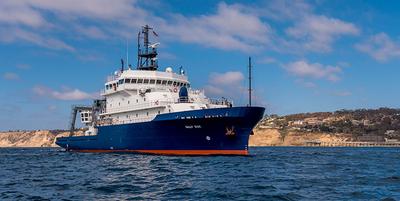
    AOML SFP regional surveys over the southwest Florida shelf and the Florida Keys reef tract have been routinely performed via the University of Miami's R/V F. G. Walton Smith on a bimonthly basis. Sampling methodologies similar to those utilized on AOML SFP bay surveys (discrete sampling and flow-through measurements) have been employed on these regional research cruises.

    Jan 25 – Jan 31, 2025 · 7 d

    Miami, Keys reef tract , and West Florida Shelf

  • Completed

    Endeavor · URI

    NES-LTER-2025-1of4

    Heidi Sosik · WHOI

    NES-LTER cross-shelf transect cruises are conducted between Martha’s Vineyard and the continental shelf break directly south. The overarching goal of the NES-LTER is to understand and predict how planktonic food webs change through space and time in response to changes in the physical environment, and how those changes impact ecosystem productivity, including of higher trophic levels. Observations and models are focused on processes and mechanisms that structure pelagic food webs, trophic transformations, and productivity, as well as the key interactions and feedbacks that modulate relationships among them. NES-LTER transect process cruises are focused on characterizing cross-shelf distributions of physical properties, nutrients, production rates, and plankton. Approximately 11 stations will be occupied in waters depths typically less than 200 m, but up to ~1600 m. Operations will include underway sampling of biological and chemical properties with science-provided instruments, CTD/rosette casts, net tows, on-deck incubations, and deployment of a towed vehicle.

    Jan 24 – Jan 28, 2025 · 4 d

    New England Shelf

  • Completed

    Atlantis · WHOI

    EPR-950 Hydrothermal 25

    Jill McDermott · Lehigh

    Collaborative Research: Monitoring hydrothermal fluid origin, crustal permeability and seafloor morphology in preparation for the next volcanic eruption at the East Pacific Rise axis, 9° 45’-53’N NSF/OCE/MGG - 1949485 - Funded The East Pacific Rise (EPR) is a fast-spreading mid-ocean ridge located in the eastern Pacific Ocean. It is part of a globe-encircling system of ridges where the crust of the Earth is created by the intrusion of melt from the deeper mantle and consequent volcanic eruptions. Hydrothermal vents from the MOR form chimneys and columns of metal-rich emissions as seawater flows through the oceanic crust. These hydrothermal processes alter the composition of oceanic lithosphere and the global ocean, and provide unique habitats for extreme forms of life in chemosynthetic ecosystems. Understanding the coupling between sub-surface flow patterns and crustal conditions is fundamentally important for virtually all fields of mid-ocean ridge and related geochemical and geophysical research. This research project focuses on the idea that a new magmatic event involving an eruption or shallow magma emplacement, is likely to happen at the EPR axis in the 9°50?N area in the next few years (~2020?2023). This forecast is based on observed increases in vent exit-fluid temperature, and chemical trends. The scientists at sea will employ the research submersible Alvin and/or remotely operated vehicle (ROV) Jason to deploy instruments and collect vent fluid samples during three cruises over three successive years to study these processes. The project also involves a collaboration between young investigators from the USA and Norway that will help strengthen international ties between researchers in both countries. The researchers will also create new teaching materials for the San Diego Unified School district via three workshops held at Scripps Institution of Oceanography. This collaboration with the San Diego County Office of Education will enhance their Environmental Literacy Initiative, and help to create a Next Generation Science Standards,activities and resources for middle and/or high school teachers in California and nation-wide. This project's research objective focuses on the idea that a new magmatic event, either an eruption or shallow dike emplacement, is likely to happen at the EPR axis in the 9°50?N area in the next few years (~2020?2023). This forecast is based on increases in vent exit-fluid temperature and chemical trends measured at hydrothermal vents. The build-up to this event is anticipated to be associated with changes in crustal dynamics that can be observed in the geochemical properties and thermal response to tidal forcing across multiple hydrothermal vents and their fluids. Specifically, the phase lag and amplitude ratio between the thermal response and loading signal can be used to track the run-up to the next volcanic eruption. In order to monitor the relationship between magma resupply and its impact on hydrothermal fluid flow, the project will apply numerical methods to exploit the tidal variability observed in exit-fluid temperature records acquired using self-recording high-temperature loggers. The result of this analysis will constrain poroelastic properties of the crust. To accomplish these goals, the project will collect several correlative datasets on three successive cruises spaced approximately 1-year apart, with seven Alvin or Jason ROV dives each year. The datasets include i) vent exit-fluid temperature records logged at ~15 min intervals; ii) annual fluid samples from each instrumented vent using isobaric gas-tight samplers; iii) tidal pressure and current strength data logged by moored sensors; iv) high-resolution still and 4k-resolution video imagery of vent structures that are instrumented, and v) baseline near-bottom bathymetry and sidescan dataset to be acquired in December 2019 using autonomous underwater vehicle Sentry. These data will be a key resource to underpin the work of geophysicists, biologists and chemists from across the mid-ocean ridge community working at EPR 9°50?N. eruption.

    Jan 23 – Feb 17, 2025 · 26 d

    Eastern Pacific Rise between 9-10 deg N

    Sails with 1 other project

  • Completed

    Atlantis · WHOI

    Unique Ecosystems on Inactive Sulfides

    Lauren Mullineaux · WHOI

    Hydrothermal venting occurs globally on the deep seafloor and has been the subject of vigorous geological, chemical and biological research. This venting, however, is ultimately transient, leaving sulfide mineral-rich deposits behind after the fluid flow stops. We propose to investigate the organisms living on these inactive sulfide features in order to understand their feeding ecology and associations with the mineral substratum. Recent discoveries indicate that some microbial and animal species inhabiting inactive sulfides are not found elsewhere in the marine environment. Our main objectives are to characterize the species and functional diversity of these communities (eukaryotic, bacterial and archaeal), determine which species are endemic or predominantly associated with inactive sulfides, and explore the processes underlying those obligate associations. Specifically, we will determine whether a unique trophic web exists on these features, consisting of rock-hosted chemolithotrophic microorganisms consumed by small grazers, and investigate the associations between minerals, microorganisms and animals over a broad range of mineral characteristics. We will conduct field studies near the active vent fields between 9-10°N on the East Pacific Rise, using camera surveys and sampling organisms on the rocks and in the overlying water column overlying water column, followed by laboratory studies of petrology, molecular genetics, phylogenetics and feeding ecology.

    Jan 23 – Feb 17, 2025 · 26 d

    Eastern Pacific Rise between 9-10 deg N

    Sails with 1 other project

  • Completed

    BATS 2025 - 2of12

    Nicholas R. Bates · BIOS

    Long-term observations over several decades are a powerful tool for investigating ocean physics, biology, and chemistry, and the response of the oceans to environmental change. The Bermuda Atlantic Time-Series Study, known as BATS, has been running continuously since 1988. The research goals of the BATS program are: (1) to improve our understanding of the time-varying components of the ocean carbon cycle and the cycles of related nutrient elements such as nitrogen, phosphorus, and silicon; and, (2) to identify the relevant physical, chemical and ecosystem properties responsible for this variability. In addition, the BATS program has strong and diverse broader impacts, contributing to the field of ocean sciences by providing high quality ocean observations and data for seagoing scientists and modelers, and a framework through which researchers can conceive and test hypotheses. This award will support the operations of the BATS program for five more years. The primary BATS research themes are as follows: (1) Quantify the role of ocean-atmosphere coupling and climate variability on air-sea exchange of CO2, and carbon export to the ocean interior; (2) Document trends and the controls on the interannual to decadal scale variability in carbon and nutrient cycles to their coupling in the surface and deep ocean via the Redfield Ratio paradigm; (3) Quantify the response of planktonic community structure and function, and impact on biogeochemical cycles to variability in surface fluxes and dynamical processes; (4) Facilitate development, calibration and validation of next generation oceanographic sensors, tools and technologies; and, (5) Generate a dataset that can be utilized by empiricists, modelers and students. This research integrates ocean physics, chemistry and biology into a framework for understanding oceanic processes and ocean change in the North Atlantic subtropical gyre. The existing 29 years of BATS data provide robust constraints on seasonal and interannual variability, the response of the Sargasso Sea ecosystem to natural climate variability, and signal detection of potential ocean changes. This project would extend the BATS program through years 31-35 to address a series of ten interlinked questions through integrated research approaches and a multitude of collaborative efforts. In addition to the themes above, and embedded into the ten questions and approaches, the BATS team will focus on, for example, coupling of particle production and biogeochemistry; revisiting the complexities of the biological carbon pump; oxygen decline; and changes in the hydrography, physics, ocean carbon cycle and biogeochemistry of the Sargasso Sea. The highest quality data observation and collection will be maintained and used to address these questions. Importantly, a wide range of collaborations at the BATS site, spanning the physical and biogeochemical disciplines, will aid these broad goals. Strong links to community stakeholders, and close collaboration (including methods intercomparisons and personnel exchanges) with the Hawaii Ocean Time-series are proposed. This work will extend the research findings of the project into educational and training opportunities within and beyond the oceanographic community, including training and mentorship of both undergraduate and graduate students.

    Jan 16 – Jan 20, 2025 · 4 d

    Atlantic

    Sails with 1 other project

  • Completed

    Hydro S - 2025 4of24

    Nicholas R. Bates · BIOS

    One of the longest open-ocean hydrographic stations in the world is maintained at the Hydrostation S site (formerly known as the Panulirus site) located ~25 km southeast of Bermuda in the North Atlantic Ocean. This program of repeat biweekly hydrographic observations began in 1954 (by Hank Stommel) and now, in its seventh decade, has proved to be the catalyst for numerous studies of ocean physics, biological processes and biogeochemistry. Hydrostation S continues to be recognized as one of the most important sustained ocean time–series. The renewal of the Hydrostation S program is proposed herein, extending this invaluable time–series of ocean hydrography to almost 70 years. The upper ocean warming trend has strengthened (about +1.4° C since the 1970's; ~+0.8°C in last decade) with significant salinification (+0.16). Deeper waters such as the Labrador Sea Water has cooled by a few tenths of a degree and freshened with a marked decadal oscillation. The signature of deoxygenation has been observed at Hydrostation S in the upper ocean (about 4 µmoles kg -1 decade -1 decrease in dissolved oxygen) as well as the oxygen minimum zone (~2.5 µmoles kg -1 decade -1 ). Hydrostation S also supports the longest global ocean CO 2 and acidification time-series (from 1983 to present) The major objective of the proposal is to continue Hydrostation S into the eighth decade with numerous questions related to warming and cooling, salinification and freshening, deoxygenation and insights on biogeochemical changes over time. This program constitutes frequent water column sampling of temperature, salinity, and dissolved oxygen (and indirectly, sampling of important ocean carbon time–series) of the North Atlantic subtropical gyre at the Hydrostation S site. Such work is complementary to other sustained observations such as the Bermuda Atlantic Time–series Study (BATS) and Ocean Flux Program (OFP). We propose to carry out a similar sampling format that has been followed for the past 68 years. As for the past ten years, we would continue to conduct two CTD profiles to better capture the deep–water variability while maintaining all the previous discrete depths. The first CTD cast will profile to full ocean depth (3,300–3,500 m) while the second CTD cast will profile to 500 m (to allow for instrumentation not rated for full ocean depth such as a PAR sensor). One indirect objective will be to continue to collaboratively evaluate a BIOS-based glider program with Hydrostation S data as critically important ground truthing data. The existing glider program has challenging issue, and the aim of this effort is to use robust and highly accurate Hydrostation S data to test the capability of emerging technologies over the next five to ten years.

    Jan 16 – Jan 20, 2025 · 4 d

    Atlantic

    Sails with 1 other project
  • Completed

    ARCTERX

    Craig Lee · UW

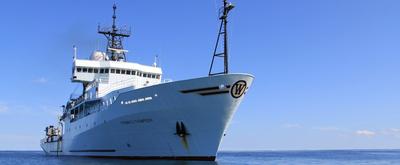
    The South China Sea and the Philippine Sea are understood to be among of the most energetic regional seas in the global ocean. The combination of the Kuroshio Current, the monsoons, typhoons, strong tides, and the dramatic topography of the region lead to a rich physical forcing environment. Numerous ONR DRI studies have documented the physical oceanography of internal waves, typhoons, and currents characterizing the region (ASIAEX, NLIWI, IWISE, ITOP, OKMC, FLEAT). The region has long been documented to have enhanced levels of eddy kinetic energy; a topic not previously addressed by these studies. A distributed system observational program will investigate sub-mesoscale processes in the S. China Sea/Philippine Sea region of the First and Second Island Arcs. The focus will be on the turbulent eddy exchange throughout this region, and on the class of oceanographic variability that is poorly constrained in models including eddies, rings, vortices and filaments, and their interactions with smaller-scale phenomena. Work will focus on in-situ sampling with a heavy emphasis on autonomous instrument platforms, which have the ability to follow features of interest over weeks to months over vast regions.

    Jan 14 – Feb 22, 2025 · 39 d

    South China Sea and Philippine Sea

  • Completed

    Pelican · LUMCON

    bp WS buoy 2025 SV

    Jacob Fredrickson · Fugro GEOS Inc

    Wavescan buoy mooring recovery, service, and redeployment at two different locations for end client bp. Buoys measure wave, winds, currents, and other meteorological data. Data is transmitted to erddap and distributed.

    Jan 11 – Jan 18, 2025 · 7 d

    GoM

  • Completed

    Pelican · LUMCON

    QUALIFIED

    Jeffrey Krause · DISL

    Reverse weathering is the process that forms clay minerals through reactions that involve biologically produced silica. Carbon dioxide is a byproduct of reverse weathering and an important greenhouse gas. As a result, reverse weathering is considered an important process that has regulated global climate over the earth?s natural history. Prior studies that have examined reverse weathering have focused only on abiotic factors (i.e., factors not affected by biology). This research is the first to examine microbial effects on reverse weathering reactions. The project includes laboratory experiments with well-characterized microbial strains. These experiments will provide understanding of this complicated process in a controlled environment. Follow-up experiments and surveys will be conducted in the northern Gulf of Mexico during two field campaigns led by the scientific team. This project contributes to scientific education and development at many levels. The graduate and postgraduate personnel will learn interdisciplinary approaches and collaborate with an international expert in reverse weathering research. Undergraduate trainees from local community colleges will receive paid internships. The project supports high school education in marine science through a partnership with the Dauphin Island Sea Lab Discovery Hall Program.

    Jan 7 – Jan 9, 2025 · 2 d

    Louisiana Shelf

  • Completed

    Sr. Thesis cruise 2025

    Mark Warner · UW

    In this 3-quarter long series of courses (OCEAN 443, 444 and 445), students are closely mentored by a faculty team to design, execute and communicate an original research project on a topic of their own choosing. This option usually included senior cruise on our research vessel, the R/V Thompson somewhere in the world's ocean. The Bachelor's of Science requires these courses. The Bachelor's of Arts does not.

    Dec 29, 2024 – Jan 9, 2025 · 12 d

    Western Tropical Pacific

  • Completed

    HOT 1 2024

    angelicque white · UH

    Systematic long-term (greater than a few decades in length) time-series observations of aquatic and terrestrial environments have led to a more comprehensive understanding of the natural ecosystem variability and have enabled an assessment of human impacts on ecosystem dynamics. Because of their ability to store and transport large amounts of heat and to absorb carbon dioxide from the atmosphere, the world's oceans play a critical role in modulating environmental conditions for the sustained well-being of both land-based and marine organisms including humans. Despite their recognized scientific and societal importance, long-term records of key ocean processes are rare. In 1988, the Hawaii Ocean Time-series (HOT) program, near Hawaii was established. For over three decades, teams of scientists based at the University of Hawaii have made critical measurements of the 'state of our sea.' These long-term observations have established a baseline against which future states can be compared. The ship-based HOT program complements other diverse ocean observation programs including remote-sensing via satellites, moored buoys, profiling floats, and autonomous underwater vehicles. All HOT program data are publicly available and are frequently used by researchers and policy makers around the world.

    Dec 18 – Dec 22, 2024 · 4 d

    Station ALOHA (22.75N, 158W)

  • Completed

    Endeavor · URI

    Fortigate Training

    Erich Gruebel · UNOLS

    This project is a training cruise for ARF marine technicians focused on the Fortigate Next-Generation Firewall. The Fortigate system is being rolled out on Academic Research Fleet Vessels starting in CY2023. Marine technicians who will, or already are, using the Fortigates will receive comprehensive training on this and other pertinent IT topics.

    Dec 18 – Dec 21, 2024 · 3 d

    Sails with 1 other project

  • Completed

    LMP-03

    Robert Morris · UW

    Bacteria and their viruses dominate the ocean and are important drivers of elemental cycles. Spatial and temporal differences observed in the abundances of bacteria and their viruses are the primary factor underlying hypotheses to explain the host-virus interactions that maintain these large and genetically diverse populations. Here we propose to identify additional factors that drive host-virus dynamics in the ocean by using metagenomics, cultivated systems, and models to predict conditions that activate latent phages. SAR11 are the most abundant heterotrophic bacteria in the ocean. We recently isolated the first known SAR11 cells with latent bacterial viruses (temperate phages) in their genomes (prophages). Our analyses indicate that similar phages are common in the global ocean and that they become active under carbon-limiting conditions. While this supports a growing body of evidence that temperate phages have essential roles in marine microbial ecology and biogeochemistry, it also underscores the need to identify additional variables governing host-virus relationships. This study seeks to identify specific chemical and physical parameters that activate latent phages in SAR11 cells, to elucidate the effects of these variables on the genetic networks that regulate inactive (lysogenic) and active (lytic) switching, and to model the outcomes of similar latent phages in diverse marine ecosystems. This project also represents a unique opportunity for training of a new principal investigator, a graduate student, and several underrepresented, under-privileged, and non-traditional undergraduate students from the GenOM Project at the University of Washington and the BIG Summer and PEERS programs at the University of California, Los Angeles. Oceanography is currently low-diversity and has significant barriers to entry for underrepresented students. Empowering undergraduate student collaborations and providing hands-on experience has great potential to enhance diversity in the coming years. The outreach activity we propose will introduce under-represented and non-traditional undergraduate students from both institutions to seagoing research. The educational component will also give students with computational and laboratory backgrounds an opportunity to share results and form new collaborations. This is a unique opportunity to expose students from disadvantaged communities to potentially life-changing ‘hands-on’ oceanography.

    Dec 16 – Dec 20, 2024 · 4 d

    Puget Sound Main Basin and the Hood Canal

  • Completed

    Sikuliaq · UAF

    JQZ-Phoenix-MCS

    Hannah Mark · WHOI

    This project examines a poorly understood period of geomagnetic field history, the Jurassic Quiet Zone, during which geomagnetic field strength appears to be much less than normal and the reversal rate much higher than normal. Changes in geomagnetic field behavior are thought to have geodynamic significance, such as indicating heat flux to the mantle from the core, affecting mantle convection. Moreover, the geomagnetic polarity timescale is used as a basis for magnetic field, plate tectonic, and many geodynamic and geologic studies. The proposed research will help define the timescale during a period in which it is poorly constrained. The main objective of this overall study is to compile a magnetic anomaly sequence over the Phoenix magnetic lineations in Nauru Basin of the Western Pacific for comparison with similar records previously collected over the Japanese lineations of Pigafetta Basin and the Hawaiian lineations near the Magellan Seamounts. This research cruise will collect Multi-Channel Seismic (MCS) data to define the top of the magnetic source layer within oceanic crust throughout the study area. A subsequent cruise leg will collect multi-scale magnetic data using surface-towed, midwater-towed, and near-seafloor AUV magnetometer deployments. MCS data acquired and processed in advance of the magnetometry cruise will enable informed planning for AUV Sentry dives.

    Dec 13, 2024 – Jan 6, 2025 · 24 d

    Nauru Basin, western Pacific

  • Completed

    Endeavor · URI

    Rhizaria in Oligotrophic Oceans Mar

    Leocadio Blanco Bercial · BIOS

    Our study will use cutting-edge in situ imaging (using a UVP-DEEP) of Rhizaria to bypass limitations in other sampling methods and to produce accurate estimates of Rhizaria biomass. Additionally, sampling will occur across a wide depth range (0-1200 m), at monthly intervals, and in conjunction with a wide array of other biological, chemical, and physical oceanographic measurements (as part of the Bermuda Atlantic Time-series Study, BATS). UVP imagery data will be integrated with molecular identification of Rhizaria using community metabarcoding and barcoding of individual Rhizaria collected from MOCNESS net tows taken in conjunction with UVP casts. Size-specific elemental analyses of Rhizaria and seasonally and vertically explicit estimates of Rhizaria biomass will be used to model their contributions to vertical flux in the system.

    Dec 12 – Dec 18, 2024 · 6 d

    Atlantic

    Sails with 2 other projects

  • Completed

    Endeavor · URI

    BATS 2024 - 11of12

    Nicholas R. Bates · BIOS

    Long-term observations over several decades are a powerful tool for investigating ocean physics, biology, and chemistry, and the response of the oceans to environmental change. The Bermuda Atlantic Time-Series Study, known as BATS, has been running continuously since 1988. The research goals of the BATS program are: (1) to improve our understanding of the time-varying components of the ocean carbon cycle and the cycles of related nutrient elements such as nitrogen, phosphorus, and silicon; and, (2) to identify the relevant physical, chemical and ecosystem properties responsible for this variability. In addition, the BATS program has strong and diverse broader impacts, contributing to the field of ocean sciences by providing high quality ocean observations and data for seagoing scientists and modelers, and a framework through which researchers can conceive and test hypotheses. This award will support the operations of the BATS program for five more years. The primary BATS research themes are as follows: (1) Quantify the role of ocean-atmosphere coupling and climate variability on air-sea exchange of CO2, and carbon export to the ocean interior; (2) Document trends and the controls on the interannual to decadal scale variability in carbon and nutrient cycles to their coupling in the surface and deep ocean via the Redfield Ratio paradigm; (3) Quantify the response of planktonic community structure and function, and impact on biogeochemical cycles to variability in surface fluxes and dynamical processes; (4) Facilitate development, calibration and validation of next generation oceanographic sensors, tools and technologies; and, (5) Generate a dataset that can be utilized by empiricists, modelers and students. This research integrates ocean physics, chemistry and biology into a framework for understanding oceanic processes and ocean change in the North Atlantic subtropical gyre. The existing 29 years of BATS data provide robust constraints on seasonal and interannual variability, the response of the Sargasso Sea ecosystem to natural climate variability, and signal detection of potential ocean changes. This project would extend the BATS program through years 31-35 to address a series of ten interlinked questions through integrated research approaches and a multitude of collaborative efforts. In addition to the themes above, and embedded into the ten questions and approaches, the BATS team will focus on, for example, coupling of particle production and biogeochemistry; revisiting the complexities of the biological carbon pump; oxygen decline; and changes in the hydrography, physics, ocean carbon cycle and biogeochemistry of the Sargasso Sea. The highest quality data observation and collection will be maintained and used to address these questions. Importantly, a wide range of collaborations at the BATS site, spanning the physical and biogeochemical disciplines, will aid these broad goals. Strong links to community stakeholders, and close collaboration (including methods intercomparisons and personnel exchanges) with the Hawaii Ocean Time-series are proposed. This work will extend the research findings of the project into educational and training opportunities within and beyond the oceanographic community, including training and mentorship of both undergraduate and graduate students.

    Dec 12 – Dec 18, 2024 · 6 d

    Atlantic

    Sails with 2 other projects

  • Completed

    Endeavor · URI

    Hydro S - 2024 24of24

    Nicholas R. Bates · BIOS

    One of the longest open-ocean hydrographic stations in the world is maintained at the Hydrostation S site (formerly known as the Panulirus site) located ~25 km southeast of Bermuda in the North Atlantic Ocean. This program of repeat biweekly hydrographic observations began in 1954 (by Hank Stommel) and now, in its seventh decade, has proved to be the catalyst for numerous studies of ocean physics, biological processes and biogeochemistry. Hydrostation S continues to be recognized as one of the most important sustained ocean time–series. The renewal of the Hydrostation S program is proposed herein, extending this invaluable time–series of ocean hydrography to almost 70 years. The upper ocean warming trend has strengthened (about +1.4° C since the 1970's; ~+0.8°C in last decade) with significant salinification (+0.16). Deeper waters such as the Labrador Sea Water has cooled by a few tenths of a degree and freshened with a marked decadal oscillation. The signature of deoxygenation has been observed at Hydrostation S in the upper ocean (about 4 µmoles kg -1 decade -1 decrease in dissolved oxygen) as well as the oxygen minimum zone (~2.5 µmoles kg -1 decade -1 ). Hydrostation S also supports the longest global ocean CO 2 and acidification time-series (from 1983 to present) The major objective of the proposal is to continue Hydrostation S into the eighth decade with numerous questions related to warming and cooling, salinification and freshening, deoxygenation and insights on biogeochemical changes over time. This program constitutes frequent water column sampling of temperature, salinity, and dissolved oxygen (and indirectly, sampling of important ocean carbon time–series) of the North Atlantic subtropical gyre at the Hydrostation S site. Such work is complementary to other sustained observations such as the Bermuda Atlantic Time–series Study (BATS) and Ocean Flux Program (OFP). We propose to carry out a similar sampling format that has been followed for the past 68 years. As for the past ten years, we would continue to conduct two CTD profiles to better capture the deep–water variability while maintaining all the previous discrete depths. The first CTD cast will profile to full ocean depth (3,300–3,500 m) while the second CTD cast will profile to 500 m (to allow for instrumentation not rated for full ocean depth such as a PAR sensor). One indirect objective will be to continue to collaboratively evaluate a BIOS-based glider program with Hydrostation S data as critically important ground truthing data. The existing glider program has challenging issue, and the aim of this effort is to use robust and highly accurate Hydrostation S data to test the capability of emerging technologies over the next five to ten years.

    Dec 12 – Dec 18, 2024 · 6 d

    Atlantic

    Sails with 2 other projects

  • Completed

    Mariana Borehole

    Karen Lloyd · UTK

    Volatiles elements such as helium (He), carbon (C) and nitrogen (N) are exchanged between Earth’s exterior (atmosphere and oceans) and interior (crust and mantle) at convergent margins. Volatiles are input via subduction and released in volcanos and seeps across the entire arc system. The efficiency of this transfer controls mantle heterogeneities, Earth’s redox conditions, atmospheric evolution, and in turn, the global distribution of life. Despite the importance of global-scale deep volatile cycles, volatile fluxes have not been extensively studied in submarine volcanic forearcs, as these regions are notoriously difficult to access. Recently emplaced boreholes offer a unique opportunity to sample large volumes of deeply-sourced pristine volatile-laden fluids across a wide expanse of the submarine Mariana forearc. However, volatile outfluxes may be complicated by the fact that shallow forearc temperatures are amenable to life, and thus some of these deeply-derived (i.e., from the subducting slab and/or mantle) volatiles (e.g., CO 2 , CH 4 , NH 4 + ) may be altered by subsurface microbes. This project will determine forearc volatile fluxes, quantifying biological and geochemical reactions by comparing fluxes of reactive volatiles (C, N) with inert indicators of mantle contributions (e.g., He) and the relative activity levels of known microbial metabolic pathways. This project will leverage previously emplaced boreholes that have never been sampled for He, C, and N isotopes, or microbiology, to determine how volatile recycling efficiency is controlled by complex interactions between geochemical and biological processes in the Mariana forearc. Cased boreholes were recently installed in four active serpentinite mud volcanoes in the Southern Mariana forearc. Together, these four boreholes form a trench-parallel transect, enabling access to deep fluids from active serpentinite mud volcanoes across the Mariana forearc. This project will gather geochemical and biological data from these boreholes, enabling a systematic assessment of forearc volatile fluxes and the key processes (e.g., calcite precipitation, heterotrophy, autotrophy, respiration) mediating those fluxes. This will determine volatile (He, C and N) fluxes between Earth reservoirs and quantify their sources (slab, mantle wedge, crust) and sinks (geochemical and biological). Boreholes are located at different distances from the trench and the emanating fluids have varying pH and temperature; as such the dominant biological and geochemical processes at each borehole are expected to vary. This proposal piggybacks on a 25-day cruise scheduled for 2022 (PIs Wheat, Lang and Seewald; Funded Proposal #1922671) and will leverage rich datasets previously gathered at these sites, while adding important estimates of volatile sources and sinks with whole community assessments of metagenomic DNA (relative abundance of different microbial groups and microbial potential functions) and metatranscriptomic RNA (activity of these microbes and their functions).

    Dec 11 – Dec 21, 2024 · 9 d

    East of South Chamorro Islands

  • Completed

    Pelican · LUMCON

    Calcasieu Survey

    Phillip Libby · BA

    The Calcasieu sediment survey will focus on collection of data at the Calcasieu Site 2 & 3 Ocean Dredged Material Disposal Sites (ODMDSs) and surrounding area including sediment grain size, chemical contaminants in sediment and worm tissue, benthic infaunal communities, and sediment profile imaging and plan view imaging (SPI/PV) of the seafloor.

    Dec 11 – Dec 16, 2024 · 5 d

    Study area is just south of Port Authur - at the Calcasieu ODMDS sites 2 & 3

NewerPage 20 of 55Older