VesselConnect
  • Completed

    Gravity Rolls

    David Sandwell · SIO

    Overview The objective of this study is to determine the origin of Haxby lineaments (Haxby & Weissel, 1986), which are small, periodic undulations in the gravity field above oceanic lithosphere that, despite decades of study, remain mysterious. The results of this study will advance our understanding of the dynamics of the oceanic lithosphere-asthenosphere system between mid-ocean ridges and sub- duction zones. To determine the origin of Haxby lineaments, we propose to deploy 40 oceanbottom broadband magnetotelluric instruments to measure variations in mantle conductivity in the litho- sphere and asthenosphere, and to map the seafloor topography and sonar backscatter, in a 200 km by 600 km area northeast of the Marquesas islands in the Pacific Ocean basin. By correlating the measured conductivity and bathymetry with the gravity anomalies, we will be able to distinguish between multiple competing models attempting to explain the Haxby lineaments. Intellectual Merit Despite being discovered over three decades ago, the origin of Haxby lineaments is still debated. Our proposed experiment would e↵ectively discriminate between three of them: thermal contrac- tion of the lithosphere, small-scale convection in the asthenosphere, and asthenospheric return flow channels. The thermal contraction model predicts that bathymetry should be positively corre- lated with the gravity rolls without an asthenospheric component. The small-scale convection and return flow channels models, on the other hand, suggest an asthenospheric source of the gravity lineaments—hot, low-density mantle detectable by magnetotelluric data—but di↵er in how the conductivity anomalies correlate to topography and gravity. This means that a combination of conductivity and bathymetry measurements compared to the gravity observations should be suf- ficient to distinguish between these three models. The answer will help determine the nature of lithosphere-asthenosphere dynamics far from ridges or subduction zones, including whether there is partial melt beneath older lithosphere (42 Ma). Broader Impacts The area we proposed to survey is one of the most remote and poorly surveyed in the oceans. The data will be contributed to global seafloor maps being assembled by the SeaBed 2030 project. In addition, a postdoc and several students will participate in the cruise and geophysical data anal- ysis which is important training for the next generation of seagoing scientists. In addition, these research e↵orts will be accompanied by an educational outreach plan, implemented through the UCSD’s CREATE teaching center. This plan will include training K-12 educators and demon- strating geodynamics in action for K-12 students and their teachers, as well as participation in the Teacher Professional Development program hosted by CREATE.

    Jan 6 – Feb 12, 2024 · 37 d

    Northeast of Marquesas
  • Completed

    Hydro S - 2024 1of24

    Nicholas R. Bates · BIOS

    One of the longest open-ocean hydrographic stations in the world is maintained at the Hydrostation S site (formerly known as the Panulirus site) located ~25 km southeast of Bermuda in the North Atlantic Ocean. This program of repeat biweekly hydrographic observations began in 1954 (by Hank Stommel) and now, in its seventh decade, has proved to be the catalyst for numerous studies of ocean physics, biological processes and biogeochemistry. Hydrostation S continues to be recognized as one of the most important sustained ocean time–series. The renewal of the Hydrostation S program is proposed herein, extending this invaluable time–series of ocean hydrography to almost 70 years. The upper ocean warming trend has strengthened (about +1.4° C since the 1970's; ~+0.8°C in last decade) with significant salinification (+0.16). Deeper waters such as the Labrador Sea Water has cooled by a few tenths of a degree and freshened with a marked decadal oscillation. The signature of deoxygenation has been observed at Hydrostation S in the upper ocean (about 4 µmoles kg -1 decade -1 decrease in dissolved oxygen) as well as the oxygen minimum zone (~2.5 µmoles kg -1 decade -1 ). Hydrostation S also supports the longest global ocean CO 2 and acidification time-series (from 1983 to present) The major objective of the proposal is to continue Hydrostation S into the eighth decade with numerous questions related to warming and cooling, salinification and freshening, deoxygenation and insights on biogeochemical changes over time. This program constitutes frequent water column sampling of temperature, salinity, and dissolved oxygen (and indirectly, sampling of important ocean carbon time–series) of the North Atlantic subtropical gyre at the Hydrostation S site. Such work is complementary to other sustained observations such as the Bermuda Atlantic Time–series Study (BATS) and Ocean Flux Program (OFP). We propose to carry out a similar sampling format that has been followed for the past 68 years. As for the past ten years, we would continue to conduct two CTD profiles to better capture the deep–water variability while maintaining all the previous discrete depths. The first CTD cast will profile to full ocean depth (3,300–3,500 m) while the second CTD cast will profile to 500 m (to allow for instrumentation not rated for full ocean depth such as a PAR sensor). One indirect objective will be to continue to collaboratively evaluate a BIOS-based glider program with Hydrostation S data as critically important ground truthing data. The existing glider program has challenging issue, and the aim of this effort is to use robust and highly accurate Hydrostation S data to test the capability of emerging technologies over the next five to ten years.

    Jan 6, 2024 · 1 d

    Appxoimately 25 nm south east of the island of Bermuda

  • Completed

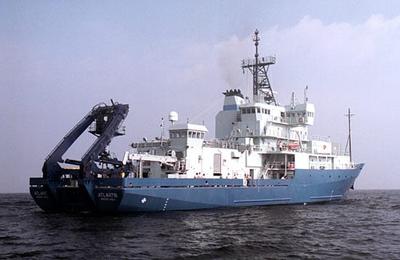
    Atlantis · WHOI

    Calibration

    Sarah Fuller · WHOI

    Jan 3 – Jan 6, 2024 · 3 d

    San Diego Basin

  • Completed

    Sr. Thesis cruise 2024

    Richard Keil · UW

    In this 3-quarter long series of courses (OCEAN 443, 444 and 445), students are closely mentored by a faculty team to design, execute and communicate an original research project on a topic of their own choosing. This option usually included senior cruise on our research vessel, the R/V Thompson somewhere in the world's ocean. The Bachelor's of Science requires these courses. The Bachelor's of Arts does not.

    Dec 30, 2023 – Jan 11, 2024 · 12 d

    South Pacific

  • Completed

    HOT 2022 - 344 (10)

    angelicque white · UH

    Systematic long-term (greater than a few decades in length) time-series observations of aquatic and terrestrial environments have led to a more comprehensive understanding of the natural ecosystem variability and have enabled an assessment of human impacts on ecosystem dynamics. Because of their ability to store and transport large amounts of heat and to absorb carbon dioxide from the atmosphere, the world's oceans play a critical role in modulating environmental conditions for the sustained well-being of both land-based and marine organisms including humans. Despite their recognized scientific and societal importance, long-term records of key ocean processes are rare. In 1988, two ocean time-series programs were established: one in the North Atlantic near Bermuda and the other, the Hawaii Ocean Time-series (HOT) program, near Hawaii. For the past three decades, teams of scientists based at the University of Hawaii have made critical measurements of the 'state of our sea.' These long-term observations have established a baseline against which future states can be compared. The ship-based HOT program complements other diverse ocean observation programs including remote-sensing via satellites, moored buoys, profiling floats, and autonomous underwater vehicles. All HOT program data are publicly available and are frequently used by researchers and policy makers around the world.

    Dec 26 – Dec 31, 2023 · 5 d

    Station ALOHA is the long-term study site for the HOT program

  • Completed

    Argo float deployments

    Elizabeth Steffen · NOAA

    Deployment of 18 Argo floats (S2A model) along the cruise tracks already planned on the Revelle.

    Dec 22, 2023 – Jan 6, 2024 · 15 d

    Pacific

    Sails with 1 other project

  • Completed

    Hydro S - 2023 24of24

    Nicholas R. Bates · BIOS

    One of the longest open-ocean hydrographic stations in the world is maintained at the Hydrostation S site (formerly known as the Panulirus site) located ~25 km southeast of Bermuda in the North Atlantic Ocean. This program of repeat biweekly hydrographic observations began in 1954 (by Hank Stommel) and now, in its seventh decade, has proved to be the catalyst for numerous studies of ocean physics, biological processes and biogeochemistry. Hydrostation S continues to be recognized as one of the most important sustained ocean time–series. The renewal of the Hydrostation S program is proposed herein, extending this invaluable time–series of ocean hydrography to almost 70 years. The upper ocean warming trend has strengthened (about +1.4° C since the 1970's; ~+0.8°C in last decade) with significant salinification (+0.16). Deeper waters such as the Labrador Sea Water has cooled by a few tenths of a degree and freshened with a marked decadal oscillation. The signature of deoxygenation has been observed at Hydrostation S in the upper ocean (about 4 µmoles kg -1 decade -1 decrease in dissolved oxygen) as well as the oxygen minimum zone (~2.5 µmoles kg -1 decade -1 ). Hydrostation S also supports the longest global ocean CO 2 and acidification time-series (from 1983 to present) The major objective of the proposal is to continue Hydrostation S into the eighth decade with numerous questions related to warming and cooling, salinification and freshening, deoxygenation and insights on biogeochemical changes over time. This program constitutes frequent water column sampling of temperature, salinity, and dissolved oxygen (and indirectly, sampling of important ocean carbon time–series) of the North Atlantic subtropical gyre at the Hydrostation S site. Such work is complementary to other sustained observations such as the Bermuda Atlantic Time–series Study (BATS) and Ocean Flux Program (OFP). We propose to carry out a similar sampling format that has been followed for the past 68 years. As for the past ten years, we would continue to conduct two CTD profiles to better capture the deep–water variability while maintaining all the previous discrete depths. The first CTD cast will profile to full ocean depth (3,300–3,500 m) while the second CTD cast will profile to 500 m (to allow for instrumentation not rated for full ocean depth such as a PAR sensor). One indirect objective will be to continue to collaboratively evaluate a BIOS-based glider program with Hydrostation S data as critically important ground truthing data. The existing glider program has challenging issue, and the aim of this effort is to use robust and highly accurate Hydrostation S data to test the capability of emerging technologies over the next five to ten years.

    Dec 20 – Dec 21, 2023 · 1 d

    Appxoimately 25 nm south east of the island of Bermuda

  • Completed

    Lu'ukai Maintenance

    Anita Lopez · UH

    The University of Hawaii ROV team will be conducting system and operational test dives on Lu'ukai prior to conducting research operations.

    Dec 15 – Dec 22, 2023 · 7 d

    abyssal plain at depths > 4000 m

    Sails with 2 other projects

  • Completed

    Kona ecosystem

    Jeff Drazen · UH

    Islands are common features across the ocean with approximately 2000 oceanic islands across the world. They provide essential marine habitats in coastal and deep-sea environments that serve as fertile feeding, breeding, and nursery grounds for many coastal and open ocean species. Most islands in the tropical Pacific host productive coral reef and pelagic fisheries that provide an essential source of nutrition and income and they frequently result in increased productivity in neighboring open ocean. Thus, it is crucial that we understand the biogeochemical and trophic processes controlling the structure and function of highly productive marine ecosystems associated with tropical Pacific islands. The west coast of Hawai’i island is very ecologically rich and presents a unique opportunity to test competing hypotheses of the underlying drivers behind island aggregations of pelagic animals. Hawai’i island exhibits a nearshore increase in phytoplankton biomass of up to 30% compared to offshore oceanic waters in the region. Second, the west coast of Hawai’i island has a steep topography and an east-flowing Hawaii lee countercurrent that may serve to advect mesopelagic micronekton and aggregate them against the island flank. This region also has two distinct aggregations of mesopelagic micronekton that aggregate off the flanks of the west coast of Hawai’i. The first is a distinct community of mesopelagic organisms called the mesopelagic boundary layer (MBL) that is unique to the island flanks and largely absent in mesopelagic communities offshore. Many of the micronekton (fishes, shrimps, and squids) in this community undergo diel vertical and horizontal migrations to take advantage of increased food resources in the nearshore environment at night. Such migrations are very likely to link nearshore reefs and offshore food webs. In addition to the MBL fauna, acoustic data in the region revealed a second aggregation of deep non-migratory micronekton at 400 – 600 m depth (at 70 kHz) about 4 km off the coast along the island flanks along the 1000m isobath. Though patchy in coverage, bioacoustic observations over 5 years confirm the temporal persistence of this non-migratory layer. Our preliminary trawls in this layer found high abundances of Serrivomerid eels (Drazen et al., in revision) that are commonly ingested by pygmy sperm whales in Hawai`i. Furthermore, the west coast also supports a high abundance and diversity of other typically offshore marine mammals and large, predatory pelagic fishes, many of these directly consume mesopelagic micronekton. We will conduct ROV Lu’ukai dives to visually inspect the deep nonmigratory layers for the first time, off the Kona coast to further identify their composition. Our trawls results suggest the high intensity acoustic backscatter layer is derived from abundances of eels and a few other fishes. However, 70 kHz backscatter may also come from gelatinous plankton such as siphonophores or smaller crustaceans neither of which are efficiently captured in the large mesh fisheries Cobb trawls that have been used to sample the area. Midwater ROV dives through this acoustic layer will garner new knowledge about its composition and aid in determining the possible reason(s) for it’s presence. In addition to ROV dives, we will tow surface plankton nets and deploy the CTD rosette with McClane pumps at several stations from nearshore to offshore to characterize patterns in zooplankton and particles respectively. We expect to find higher concentrations of plankton nearshore and will use the particles samples to evaluate their isotopic composition as the base of these foodwebs. We expect the nearshore particles to ahve a unique isotopic composition that can be used to track nearshore production into the neighboring offshore ecosystem. Such patterns will help determine if the micronekton aggregations are indeed dut to the island enhanced primary production.

    Dec 15 – Dec 22, 2023 · 7 d

    abyssal plain at depths > 4000 m

    Sails with 2 other projects

  • Completed

    HS - 2022 - 25

    Nicholas R. Bates · BIOS

    he physical properties of the ocean from the surface layers to the abyssal water masses are changing in concert with natural and anthropogenically influenced physical forcing and sustained observations of the ocean are critically important to establish these rates of change. One of the longest open-ocean hydrographic stations in the world is maintained at the Hydrostation S site (formerly known as the Panulirus site) located about 25 km southeast of Bermuda in the North Atlantic Ocean. This repeat biweekly hydrographic observations was initiated by Henry Stommel and co-workers in 1954. Now, in its seventh decade, it continues to be recognized as one of the most important sustained ocean time-series and provides an invaluable metric for the long-term state of the North Atlantic subtropical gyre in relation to the meridional overturning circulation, western boundary transport, and gyre recirculation. For example, the upper ocean warming trend has strengthened (about 0.8° C since the 1970's) while the deep Labrador Sea has cooled by a few tenths of a degree. The signature of deoxygenation has been observed at Hydrostation S in the upper ocean (about 7 micro-moles/kg/decade decrease in dissolved oxygen) as well as an intensification and expansion of the oxygen minimum zone. These changes suggest that the North Atlantic subtropical gyre is experiencing deoxygenation as in the Pacific Ocean as a result of increased upper ocean stratification and reduced solubility of oxygen in warmer waters. The Hydrostation S program and its data set are managed as a service to the ocean community, being openly distributed and used as a resource in understanding processes and patterns of variability in the ocean, as well as for education, mentorship and outreach activities. The Hydrostation S project will contribute to the research and training of six research specialists and research technicians at BIOS and contribute to the research projects of at least three Ph.D. students through on-going educational partnership with Princeton University and the University of Southampton in the U.K. The one-day Hydrostation S research cruises are an ideal platform for testing new sensors and for providing hand-on training to undergraduate students enrolled in summer programs. The Hydrostation S project is designed to address the overarching hypothesis that the physical properties of the upper-ocean to deep-ocean are changing in concert with natural and anthropogenically influenced physical forcing. Sustained observations of the ocean, such as those from Hydrostation S, remain critically important to establish rates of change to provide quantitative empirical data for myriad regional and global ocean synthesis and modeling of ocean processes and future ocean change. The major objective of Hydrostation S into the seventh decade is to continue the frequent water column sampling of temperature, salinity, and dissolved oxygen (and indirectly, sampling of important ocean carbon time?series) of the North Atlantic subtropical gyre. Such work is complementary to other sustained observations such as the Bermuda Atlantic Time-series Study (BATS) and Ocean Flux Program (OFP). As for the past five years, two CTD profiles will be conducted to better capture the deep-water variability while maintaining all the previous discrete depths. The first CTD cast will profile to full ocean depth (3,200-3,500 m) while the second CTD cast will profile from the surface to 500 m to allow for biogeochemical instrumentation not rated for full ocean depth and to support ancillary studies of ocean physics, biological processes and biogeochemistry. A secondary objective will be to build upon the collaborative comparison of physical data collected as part of two autonomous sensor projects. In the latter stages of the project, as ocean glider deployment becomes more sustainable and reliable, collaborative and comparative efforts will be used to test the capability of ocean gliders to provide data of sufficient quality to detect long-term oceanic change in a "virtual" mooring time-series mode. The robust and highly accurate Hydrostation S data will be used to test the capability of emerging technologies over the next five to ten years.

    Dec 11 – Dec 15, 2023 · 4 d

    Off of Bermuda

    Sails with 1 other project

  • Completed

    BATS 2023 - 10of12

    Nicholas R. Bates · BIOS

    Long-term observations over several decades are a powerful tool for investigating ocean physics, biology, and chemistry, and the response of the oceans to environmental change. The Bermuda Atlantic Time-Series Study, known as BATS, has been running continuously since 1988. The research goals of the BATS program are: (1) to improve our understanding of the time-varying components of the ocean carbon cycle and the cycles of related nutrient elements such as nitrogen, phosphorus, and silicon; and, (2) to identify the relevant physical, chemical and ecosystem properties responsible for this variability. In addition, the BATS program has strong and diverse broader impacts, contributing to the field of ocean sciences by providing high quality ocean observations and data for seagoing scientists and modelers, and a framework through which researchers can conceive and test hypotheses. This award will support the operations of the BATS program for five more years. The primary BATS research themes are as follows: (1) Quantify the role of ocean-atmosphere coupling and climate variability on air-sea exchange of CO2, and carbon export to the ocean interior; (2) Document trends and the controls on the interannual to decadal scale variability in carbon and nutrient cycles to their coupling in the surface and deep ocean via the Redfield Ratio paradigm; (3) Quantify the response of planktonic community structure and function, and impact on biogeochemical cycles to variability in surface fluxes and dynamical processes; (4) Facilitate development, calibration and validation of next generation oceanographic sensors, tools and technologies; and, (5) Generate a dataset that can be utilized by empiricists, modelers and students. This research integrates ocean physics, chemistry and biology into a framework for understanding oceanic processes and ocean change in the North Atlantic subtropical gyre. The existing 29 years of BATS data provide robust constraints on seasonal and interannual variability, the response of the Sargasso Sea ecosystem to natural climate variability, and signal detection of potential ocean changes. This project would extend the BATS program through years 31-35 to address a series of ten interlinked questions through integrated research approaches and a multitude of collaborative efforts. In addition to the themes above, and embedded into the ten questions and approaches, the BATS team will focus on, for example, coupling of particle production and biogeochemistry; revisiting the complexities of the biological carbon pump; oxygen decline; and changes in the hydrography, physics, ocean carbon cycle and biogeochemistry of the Sargasso Sea. The highest quality data observation and collection will be maintained and used to address these questions. Importantly, a wide range of collaborations at the BATS site, spanning the physical and biogeochemical disciplines, will aid these broad goals. Strong links to community stakeholders, and close collaboration (including methods intercomparisons and personnel exchanges) with the Hawaii Ocean Time-series are proposed. This work will extend the research findings of the project into educational and training opportunities within and beyond the oceanographic community, including training and mentorship of both undergraduate and graduate students.

    Dec 11 – Dec 15, 2023 · 4 d

    Off of Bermuda

    Sails with 1 other project

  • Completed

    27N Survey - 2022- 3of6

    Molly Baringer · NOAA

    The Florida Current is a strong oceanic current flowing northward along the eastern coast of Florida carrying warm tropical waters that eventually feed the Gulf Stream. The Florida Current represents both the western boundary current for the subtropical wind-driven gyre as well as a return pathway for the Thermohaline Overturning Cell, which consists of a slow circulation redistributing the waters of the world ocean based on sinking at the high latitudes and upwelling elsewhere. The Thermohaline Overturning Cell has been documented to have strong impacts on the global climate, and as such variations in the Florida Current, which returns surface waters to the northern North Atlantic, represent an important climate signal to be monitored. Since 1982, NOAA has recognized the importance of long-term monitoring of the Florida Current and it has funded a project, as part of the Western Boundary Time Series project in the Atlantic Ocean, to monitor the transport variations of the current using a submarine cable and snapshot estimates made by shipboard instruments. This webpage presents the results of this study.

    Dec 10 – Dec 11, 2023 · 1 d

    Florida Straits / SE FL

  • Completed

    SoCal DDT dumpsite 2023

    Greg Rouse · SIO

    We will sample using coring/dredge equipment (multicore, sleds and box cores) the sediments of the San Pedro and Santa Monica basins off Los Angeles. Areas of these basins are known to have high levels of DDT and breakdown products. We will document the animal and microbial diversity at these sites and compare them to uncontaminated sites as well as further documenting the chemistry of the sediments. Assessing microbial remediation of the sediments is one goal of the sampling. Another is to see if the animal communities are different at the contaminated sites and if they are accumulating DDT and breakdown products and so potentially becoming available to other trophic levels on the food web.

    Dec 8 – Dec 13, 2023 · 5 d

    San Pedro and Santa Monica Basins

  • Completed

    BATS 2023 - 12of12

    Nicholas R. Bates · BIOS

    Long-term observations over several decades are a powerful tool for investigating ocean physics, biology, and chemistry, and the response of the oceans to environmental change. The Bermuda Atlantic Time-Series Study, known as BATS, has been running continuously since 1988. The research goals of the BATS program are: (1) to improve our understanding of the time-varying components of the ocean carbon cycle and the cycles of related nutrient elements such as nitrogen, phosphorus, and silicon; and, (2) to identify the relevant physical, chemical and ecosystem properties responsible for this variability. In addition, the BATS program has strong and diverse broader impacts, contributing to the field of ocean sciences by providing high quality ocean observations and data for seagoing scientists and modelers, and a framework through which researchers can conceive and test hypotheses. This award will support the operations of the BATS program for five more years. The primary BATS research themes are as follows: (1) Quantify the role of ocean-atmosphere coupling and climate variability on air-sea exchange of CO2, and carbon export to the ocean interior; (2) Document trends and the controls on the interannual to decadal scale variability in carbon and nutrient cycles to their coupling in the surface and deep ocean via the Redfield Ratio paradigm; (3) Quantify the response of planktonic community structure and function, and impact on biogeochemical cycles to variability in surface fluxes and dynamical processes; (4) Facilitate development, calibration and validation of next generation oceanographic sensors, tools and technologies; and, (5) Generate a dataset that can be utilized by empiricists, modelers and students. This research integrates ocean physics, chemistry and biology into a framework for understanding oceanic processes and ocean change in the North Atlantic subtropical gyre. The existing 29 years of BATS data provide robust constraints on seasonal and interannual variability, the response of the Sargasso Sea ecosystem to natural climate variability, and signal detection of potential ocean changes. This project would extend the BATS program through years 31-35 to address a series of ten interlinked questions through integrated research approaches and a multitude of collaborative efforts. In addition to the themes above, and embedded into the ten questions and approaches, the BATS team will focus on, for example, coupling of particle production and biogeochemistry; revisiting the complexities of the biological carbon pump; oxygen decline; and changes in the hydrography, physics, ocean carbon cycle and biogeochemistry of the Sargasso Sea. The highest quality data observation and collection will be maintained and used to address these questions. Importantly, a wide range of collaborations at the BATS site, spanning the physical and biogeochemical disciplines, will aid these broad goals. Strong links to community stakeholders, and close collaboration (including methods intercomparisons and personnel exchanges) with the Hawaii Ocean Time-series are proposed. This work will extend the research findings of the project into educational and training opportunities within and beyond the oceanographic community, including training and mentorship of both undergraduate and graduate students.

    Dec 4 – Dec 5, 2023 · 1 d

    Atlantic

    Sails with 1 other project

  • Completed

    Hydro S - 2023 23of24

    Nicholas R. Bates · BIOS

    One of the longest open-ocean hydrographic stations in the world is maintained at the Hydrostation S site (formerly known as the Panulirus site) located ~25 km southeast of Bermuda in the North Atlantic Ocean. This program of repeat biweekly hydrographic observations began in 1954 (by Hank Stommel) and now, in its seventh decade, has proved to be the catalyst for numerous studies of ocean physics, biological processes and biogeochemistry. Hydrostation S continues to be recognized as one of the most important sustained ocean time–series. The renewal of the Hydrostation S program is proposed herein, extending this invaluable time–series of ocean hydrography to almost 70 years. The upper ocean warming trend has strengthened (about +1.4° C since the 1970's; ~+0.8°C in last decade) with significant salinification (+0.16). Deeper waters such as the Labrador Sea Water has cooled by a few tenths of a degree and freshened with a marked decadal oscillation. The signature of deoxygenation has been observed at Hydrostation S in the upper ocean (about 4 µmoles kg -1 decade -1 decrease in dissolved oxygen) as well as the oxygen minimum zone (~2.5 µmoles kg -1 decade -1 ). Hydrostation S also supports the longest global ocean CO 2 and acidification time-series (from 1983 to present) The major objective of the proposal is to continue Hydrostation S into the eighth decade with numerous questions related to warming and cooling, salinification and freshening, deoxygenation and insights on biogeochemical changes over time. This program constitutes frequent water column sampling of temperature, salinity, and dissolved oxygen (and indirectly, sampling of important ocean carbon time–series) of the North Atlantic subtropical gyre at the Hydrostation S site. Such work is complementary to other sustained observations such as the Bermuda Atlantic Time–series Study (BATS) and Ocean Flux Program (OFP). We propose to carry out a similar sampling format that has been followed for the past 68 years. As for the past ten years, we would continue to conduct two CTD profiles to better capture the deep–water variability while maintaining all the previous discrete depths. The first CTD cast will profile to full ocean depth (3,300–3,500 m) while the second CTD cast will profile to 500 m (to allow for instrumentation not rated for full ocean depth such as a PAR sensor). One indirect objective will be to continue to collaboratively evaluate a BIOS-based glider program with Hydrostation S data as critically important ground truthing data. The existing glider program has challenging issue, and the aim of this effort is to use robust and highly accurate Hydrostation S data to test the capability of emerging technologies over the next five to ten years.

    Dec 4 – Dec 5, 2023 · 1 d

    Atlantic

    Sails with 1 other project

  • Completed

    Puget Plumes

    Harlan Paul Johnson · UW

    Puget Sound, the largest estuary by volume in the continental United States, has recently been observed to host large fields of active methane venting from the seafloor. Although present throughout the Sound, the majority of gas emission sites are co-located over three major fault zones that fracture the entire forearc crust of the Cascadia Subduction Zone. Multibeam and single-beam sonar data from cruises conducted in years 2011, 2018, 2019, 2020 and 2021 identified the acoustic signature of over 350 individual bubble plumes. Fluid samples from adjacent terrestrial hot springs and deep-water wells surrounding the estuary contain a helium-3 isotope signature, suggesting a deep fluid source arising from the underlying Cascadia Subduction Zone plate interface. However, limited data from our previous pilot study suggests that Puget Sound emission sites appear to lack similar helium isotope signatures expected from a deep plate-interface reservoir. As an alternative hypothesis, a shallow reservoir beneath the Holocene sediments that cover Puget Sound Eocene basement, with horizontal transfer to the thinly-sedimented Alki Point and Kingston Arch anticlines, is also possible. The origin of vigorous marine methane plumes arising from areas of thin sediment cover and associated with deeply-penetrating forearc fault zones but still presenting no thermal or chemical anomalies found in other similar forearc environments, remains an important unresolved scientific paradox. Here we propose a field sampling and monitoring program that would determine the environmental parameters responsible for the variability in the gas emissions, characterize the fluid and gas composition, and identify the sub-surface reservoir and pathways for the methane gas and vent fluid. This would allow us to better understand the role that the active fluid and gas flow play within deep regional fault zones that are a continuing seismic hazard for the urban population of the western United States.

    Dec 2 – Dec 4, 2023 · 1 d

    Central Puget Sound

  • Completed

    Pelican · LUMCON

    Sed Trap

    Caitlin Reynolds · USGS

    Sequence the DNA of abundant Gulf of Mexico planktonic foraminiferal species commonly used in paleoclimate applications as a foundational step towards utilizing eDNA approached in the paleoclimate record.

    Nov 30, 2023 · 1 d

    northern Gulf of Mexico

  • Completed

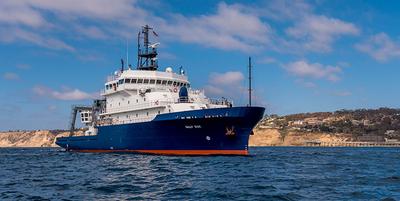
    Sally Ride · SIO

    NPEA

    Carlos Flores Molina · USN

    This project aims to collect opportunistic data onboard the Sally Ride

    Nov 28 – Nov 29, 2023 · 1 d

    Off the coast of SAn D

  • Completed

    Hydro S - 2023 22of24

    Nicholas R. Bates · BIOS

    One of the longest open-ocean hydrographic stations in the world is maintained at the Hydrostation S site (formerly known as the Panulirus site) located ~25 km southeast of Bermuda in the North Atlantic Ocean. This program of repeat biweekly hydrographic observations began in 1954 (by Hank Stommel) and now, in its seventh decade, has proved to be the catalyst for numerous studies of ocean physics, biological processes and biogeochemistry. Hydrostation S continues to be recognized as one of the most important sustained ocean time–series. The renewal of the Hydrostation S program is proposed herein, extending this invaluable time–series of ocean hydrography to almost 70 years. The upper ocean warming trend has strengthened (about +1.4° C since the 1970's; ~+0.8°C in last decade) with significant salinification (+0.16). Deeper waters such as the Labrador Sea Water has cooled by a few tenths of a degree and freshened with a marked decadal oscillation. The signature of deoxygenation has been observed at Hydrostation S in the upper ocean (about 4 µmoles kg -1 decade -1 decrease in dissolved oxygen) as well as the oxygen minimum zone (~2.5 µmoles kg -1 decade -1 ). Hydrostation S also supports the longest global ocean CO 2 and acidification time-series (from 1983 to present) The major objective of the proposal is to continue Hydrostation S into the eighth decade with numerous questions related to warming and cooling, salinification and freshening, deoxygenation and insights on biogeochemical changes over time. This program constitutes frequent water column sampling of temperature, salinity, and dissolved oxygen (and indirectly, sampling of important ocean carbon time–series) of the North Atlantic subtropical gyre at the Hydrostation S site. Such work is complementary to other sustained observations such as the Bermuda Atlantic Time–series Study (BATS) and Ocean Flux Program (OFP). We propose to carry out a similar sampling format that has been followed for the past 68 years. As for the past ten years, we would continue to conduct two CTD profiles to better capture the deep–water variability while maintaining all the previous discrete depths. The first CTD cast will profile to full ocean depth (3,300–3,500 m) while the second CTD cast will profile to 500 m (to allow for instrumentation not rated for full ocean depth such as a PAR sensor). One indirect objective will be to continue to collaboratively evaluate a BIOS-based glider program with Hydrostation S data as critically important ground truthing data. The existing glider program has challenging issue, and the aim of this effort is to use robust and highly accurate Hydrostation S data to test the capability of emerging technologies over the next five to ten years.

    Nov 28 – Nov 29, 2023 · 1 d

    Appxoimately 25 nm south east of the island of Bermuda

  • Completed

    HOT 2022 - 342 (8)

    angelicque white · UH

    Systematic long-term (greater than a few decades in length) time-series observations of aquatic and terrestrial environments have led to a more comprehensive understanding of the natural ecosystem variability and have enabled an assessment of human impacts on ecosystem dynamics. Because of their ability to store and transport large amounts of heat and to absorb carbon dioxide from the atmosphere, the world's oceans play a critical role in modulating environmental conditions for the sustained well-being of both land-based and marine organisms including humans. Despite their recognized scientific and societal importance, long-term records of key ocean processes are rare. In 1988, two ocean time-series programs were established: one in the North Atlantic near Bermuda and the other, the Hawaii Ocean Time-series (HOT) program, near Hawaii. For the past three decades, teams of scientists based at the University of Hawaii have made critical measurements of the 'state of our sea.' These long-term observations have established a baseline against which future states can be compared. The ship-based HOT program complements other diverse ocean observation programs including remote-sensing via satellites, moored buoys, profiling floats, and autonomous underwater vehicles. All HOT program data are publicly available and are frequently used by researchers and policy makers around the world.

    Nov 27 – Dec 1, 2023 · 4 d

    Station ALOHA is the long-term study site for the HOT program

  • Completed

    Tonga-Lau-Samoa Deployment cruie

    Songqiao Wei · MSU

    An interdisciplinary project, consisting of seismic imaging, geochemical analysis of submarine lavas, and geodynamic modeling, is used to investigate the Tonga-Lau-Samoa system. Seismic observations will be obtained from an 18-month deployment of 30 Ocean Bottom Seismographs (OBSs) and 5 land seismometers (including 3 permanent stations) in the northern Tonga-Lau and Samoa regions. Several different seismic imaging techniques will provide 3-D velocity models of the upper mantle, precise earthquake locations will image the slab tear and associated deformation, and the variation of seismic velocity with direction will provide constraints on mantle flow. Lava samples will be dredged at 10 seamount locations east of the Tonga Trench to better understand subduction inputs into the northern Tonga Trench with the goal of understanding the distribution of enriched mantle material in the Lau Basin. The samples will be analyzed for isotopic compositions allowing identification of possible sources of non-Samoan hotspot materials in the Lau Basin, which is critical for geochemical interpretations of mantle flow. A series of geodynamic models will simulate slab-plume interactions with a variety of possible configurations. Using the integrated history of time-dependent mantle flow in the models, the predicted thermal structure and mantle textures can be directly compared with seismic and geochemical observations.

    Nov 23 – Dec 20, 2023 · 27 d

    Samoa-Tonga-Fiji

  • Completed

    Argo float deployments

    Elizabeth Steffen · NOAA

    Deployment of 18 Argo floats (S2A model) along the cruise tracks already planned on the Revelle.

    Nov 18 – Dec 20, 2023 · 32 d

    ETSP transect offshore from Valparaiso or Arica

    Sails with 2 other projects

  • Completed

    GO-BGC

    Lynne D. Talley · SIO

    GO-BGC will deploy 5 biogeochemical (BGC) Argo profiling floats during the RR2310 (Ward) cruise, as part of growth the global arrays . Each float carries the standard (core) Argo sensors (temperature and salinity), and sensors for oxygen, nitrate, pH, fluorescence and backscatter. The floats will drift at 1000 m depth, and will profile from approximately 2000 m to the sea surface every 10 days. The BGC data will be processed at Monterey Bay Aquarium Research Institute, and will be combined with the core Argo data from these floats that will be processed at U. Washington. Data from the floats will be available in near real-time to the public. There will be a GO-BGC funded scientist in the scientific party. They will organize all float deployments, including both these BGC Argo floats and core Argo floats from NOAA. At each BGC Argo float deployment there will be hydrographic station work, as part of the main hydrographic work being carried out by the Chief Scientist (Bess Ward)'s party. The BGC Argo station work should not interfere with the Ward program.

    Nov 18 – Dec 20, 2023 · 32 d

    ETSP transect offshore from Valparaiso or Arica

    Sails with 2 other projects

  • Completed

    NO2Ox in OMZs

    Bess Ward · Princeton

    This research is grounded in the fundamental role of nitrogen in limiting production in the ocean. Nitrite is a pivotal compound in the nitrogen cycle: it can be oxidized to nitrate, and thus retained as an available nutrient, or it can be reduced to dinitrogen gas, and thus lost from the bioavailable nitrogen pool. Oxidation of nitrite by nitrite oxidizing bacteria (NOB) is the only biological pathway by which nitrate is produced, and all known NOB require oxygen for life. The reduction pathway is also carried out by microbes, in this case, bacteria that thrive only in the absence of oxygen. In previous experiments, however, both oxidation and reduction of nitrite were detected in the same samples from ocean waters in the absence of oxygen. We will investigate three explanations for the apparent oxidation of nitrite in the absence of oxygen on a research cruise to the low oxygen waters off the coast of Peru: 1) The presence of unknown kinds of NOB that do not require oxygen; 2) a new reaction called dismutation, which is possible but never detected in nature; 3) an artifact associated with oxygen stress in NOB. This research could lead to discovery of novel mechanisms and or novel organisms that determine the fate of nitrite and the availability of nitrogen to support primary production in the long run. This project will advance discovery and understanding while promoting teaching, training and learning by providing opportunities for Princeton students to get involved in and have hands on experience in research in the lab and potentially at sea. Both undergraduate and graduate students will participate in the research through internships and field experiences. We will also integrate our work at sea into teaching in the classroom via videos and assignments based on data collected during the cruise. Nitrite oxidation is the only known biological process that produces nitrate, which comprises the largest fixed nitrogen reservoir in the ocean. Nitrite oxidation is carried out by nitrite oxidizing bacteria (NOB), and all known species are obligate aerobes. Nitrite reduction to N2 occurs in multiple microbial pathways, generally under anoxic conditions. Despite their apparent incompatibility regarding oxygen, both processes are detected in the low oxygen or anoxic waters of oxygen minimum zones (OMZs). Thus, the fate of nitrite in OMZs has implications for the global fixed N budget. Nitrite oxidation is detected at high rates in essentially zero oxygen water in the most oxygen depleted depth intervals in OMZ regions, which suggests that some nitrite oxidizers might possess anaerobic metabolic capabilities. Nitrite disproportionation (or dismutation), in which nitrite is simultaneously oxidized to nitrate and reduced to N2, is a thermodynamically favorable reaction, which would link the two processes in one organism ? but it has never been observed in nature. The research proposed here will address two big questions about nitrite in the ocean: 1) How does anaerobic nitrite oxidation work? 2) What determines the fate of nitrite? The experimental approach will investigate three possible explanations for anaerobic nitrite oxidation: 1) Nitrite is oxidized to nitrate by different clades of NOB, which exhibit different tolerances/requirements for oxygen; 2) Nitrite dismutation, also performed by NOB, partially explains the cooccurrence of oxidation and reduction of nitrite; 3) Apparently anaerobic nitrite oxidation is indeed biologically mediated but does not always represent net production of nitrate from nitrite; rather it results from isotopic equilibration during enzyme-catalyzed interconversion of nitrite and nitrate. These questions will be addressed by performing a suite of 15N-tracer incubations at stations located within and outside of one of the major OMZs in the ocean, the Eastern Tropical South Pacific. The dependence of the rate processes on oxygen concentrations will be determined, and the composition of the microbial assemblages will be assessed in order to determine whether different microbial components are involved under different environmental conditions. The expression of genes involved in oxidation/reduction/ respiratory metabolisms at low oxygen concentrations will be measured across oxygen gradients and in oxygen manipulations to identify their potential role in supporting ?anaerobic? nitrite oxidation. The possibility that the apparently anaerobic nitrite oxidation is due to an enzyme level interconversion between nitrite and nitrate, which does not lead to net nitrate production and is not linked to growth of nitrite oxidizing bacteria, will also be investigated.

    Nov 18 – Dec 20, 2023 · 32 d

    ETSP transect offshore from Valparaiso or Arica

    Sails with 2 other projects

  • Completed

    SIO 60 FA23

    Drew Lucas · SIO

    Starting in the 2016-2017 academic year, Scripps Institution of Oceanography and UCSD began an undergraduate major in Oceanic and Atmospheric science. This interdisciplinary major is intended to prepare students for careers in government, environmental policy, management, and consulting, primary and secondary education, and academia. The curriculum combines rigorous classroom training based on mathematics, physics, chemistry, and data analysis with hands-on experience using cutting edge data collection techniques for the ocean and atmosphere. SIO 60, co-taught annually by SIO/UCSD Assistant Professors Drew Lucas and Kate Ricke, is the required introductory course for the O & A major. SIO 60 covers basic concepts in oceanic and atmospheric dynamics with instruction and hands-on activities, with an aim towards future academic, government, and industry scientists as well as professionals in maritime and environmental science fields.

    Nov 18 – Nov 19, 2023 · 1 d

    Nine mile Bank

  • Completed

    JP Student Cruise

    Lina Taenzer · WHOI

    Nov 17 – Nov 19, 2023 · 2 d

    Atlantic NE off coast

  • Completed

    BATS 2023 - 11of12

    Nicholas R. Bates · BIOS

    Long-term observations over several decades are a powerful tool for investigating ocean physics, biology, and chemistry, and the response of the oceans to environmental change. The Bermuda Atlantic Time-Series Study, known as BATS, has been running continuously since 1988. The research goals of the BATS program are: (1) to improve our understanding of the time-varying components of the ocean carbon cycle and the cycles of related nutrient elements such as nitrogen, phosphorus, and silicon; and, (2) to identify the relevant physical, chemical and ecosystem properties responsible for this variability. In addition, the BATS program has strong and diverse broader impacts, contributing to the field of ocean sciences by providing high quality ocean observations and data for seagoing scientists and modelers, and a framework through which researchers can conceive and test hypotheses. This award will support the operations of the BATS program for five more years. The primary BATS research themes are as follows: (1) Quantify the role of ocean-atmosphere coupling and climate variability on air-sea exchange of CO2, and carbon export to the ocean interior; (2) Document trends and the controls on the interannual to decadal scale variability in carbon and nutrient cycles to their coupling in the surface and deep ocean via the Redfield Ratio paradigm; (3) Quantify the response of planktonic community structure and function, and impact on biogeochemical cycles to variability in surface fluxes and dynamical processes; (4) Facilitate development, calibration and validation of next generation oceanographic sensors, tools and technologies; and, (5) Generate a dataset that can be utilized by empiricists, modelers and students. This research integrates ocean physics, chemistry and biology into a framework for understanding oceanic processes and ocean change in the North Atlantic subtropical gyre. The existing 29 years of BATS data provide robust constraints on seasonal and interannual variability, the response of the Sargasso Sea ecosystem to natural climate variability, and signal detection of potential ocean changes. This project would extend the BATS program through years 31-35 to address a series of ten interlinked questions through integrated research approaches and a multitude of collaborative efforts. In addition to the themes above, and embedded into the ten questions and approaches, the BATS team will focus on, for example, coupling of particle production and biogeochemistry; revisiting the complexities of the biological carbon pump; oxygen decline; and changes in the hydrography, physics, ocean carbon cycle and biogeochemistry of the Sargasso Sea. The highest quality data observation and collection will be maintained and used to address these questions. Importantly, a wide range of collaborations at the BATS site, spanning the physical and biogeochemical disciplines, will aid these broad goals. Strong links to community stakeholders, and close collaboration (including methods intercomparisons and personnel exchanges) with the Hawaii Ocean Time-series are proposed. This work will extend the research findings of the project into educational and training opportunities within and beyond the oceanographic community, including training and mentorship of both undergraduate and graduate students.

    Nov 16 – Nov 21, 2023 · 5 d

    Atlantic

    Sails with 2 other projects

  • Completed

    BATS 2023 - 10of12

    Nicholas R. Bates · BIOS

    Long-term observations over several decades are a powerful tool for investigating ocean physics, biology, and chemistry, and the response of the oceans to environmental change. The Bermuda Atlantic Time-Series Study, known as BATS, has been running continuously since 1988. The research goals of the BATS program are: (1) to improve our understanding of the time-varying components of the ocean carbon cycle and the cycles of related nutrient elements such as nitrogen, phosphorus, and silicon; and, (2) to identify the relevant physical, chemical and ecosystem properties responsible for this variability. In addition, the BATS program has strong and diverse broader impacts, contributing to the field of ocean sciences by providing high quality ocean observations and data for seagoing scientists and modelers, and a framework through which researchers can conceive and test hypotheses. This award will support the operations of the BATS program for five more years. The primary BATS research themes are as follows: (1) Quantify the role of ocean-atmosphere coupling and climate variability on air-sea exchange of CO2, and carbon export to the ocean interior; (2) Document trends and the controls on the interannual to decadal scale variability in carbon and nutrient cycles to their coupling in the surface and deep ocean via the Redfield Ratio paradigm; (3) Quantify the response of planktonic community structure and function, and impact on biogeochemical cycles to variability in surface fluxes and dynamical processes; (4) Facilitate development, calibration and validation of next generation oceanographic sensors, tools and technologies; and, (5) Generate a dataset that can be utilized by empiricists, modelers and students. This research integrates ocean physics, chemistry and biology into a framework for understanding oceanic processes and ocean change in the North Atlantic subtropical gyre. The existing 29 years of BATS data provide robust constraints on seasonal and interannual variability, the response of the Sargasso Sea ecosystem to natural climate variability, and signal detection of potential ocean changes. This project would extend the BATS program through years 31-35 to address a series of ten interlinked questions through integrated research approaches and a multitude of collaborative efforts. In addition to the themes above, and embedded into the ten questions and approaches, the BATS team will focus on, for example, coupling of particle production and biogeochemistry; revisiting the complexities of the biological carbon pump; oxygen decline; and changes in the hydrography, physics, ocean carbon cycle and biogeochemistry of the Sargasso Sea. The highest quality data observation and collection will be maintained and used to address these questions. Importantly, a wide range of collaborations at the BATS site, spanning the physical and biogeochemical disciplines, will aid these broad goals. Strong links to community stakeholders, and close collaboration (including methods intercomparisons and personnel exchanges) with the Hawaii Ocean Time-series are proposed. This work will extend the research findings of the project into educational and training opportunities within and beyond the oceanographic community, including training and mentorship of both undergraduate and graduate students.

    Nov 16 – Nov 21, 2023 · 5 d

    Atlantic

    Sails with 2 other projects

  • Completed

    Hydro S - 2023 21of24

    Nicholas R. Bates · BIOS

    One of the longest open-ocean hydrographic stations in the world is maintained at the Hydrostation S site (formerly known as the Panulirus site) located ~25 km southeast of Bermuda in the North Atlantic Ocean. This program of repeat biweekly hydrographic observations began in 1954 (by Hank Stommel) and now, in its seventh decade, has proved to be the catalyst for numerous studies of ocean physics, biological processes and biogeochemistry. Hydrostation S continues to be recognized as one of the most important sustained ocean time–series. The renewal of the Hydrostation S program is proposed herein, extending this invaluable time–series of ocean hydrography to almost 70 years. The upper ocean warming trend has strengthened (about +1.4° C since the 1970's; ~+0.8°C in last decade) with significant salinification (+0.16). Deeper waters such as the Labrador Sea Water has cooled by a few tenths of a degree and freshened with a marked decadal oscillation. The signature of deoxygenation has been observed at Hydrostation S in the upper ocean (about 4 µmoles kg -1 decade -1 decrease in dissolved oxygen) as well as the oxygen minimum zone (~2.5 µmoles kg -1 decade -1 ). Hydrostation S also supports the longest global ocean CO 2 and acidification time-series (from 1983 to present) The major objective of the proposal is to continue Hydrostation S into the eighth decade with numerous questions related to warming and cooling, salinification and freshening, deoxygenation and insights on biogeochemical changes over time. This program constitutes frequent water column sampling of temperature, salinity, and dissolved oxygen (and indirectly, sampling of important ocean carbon time–series) of the North Atlantic subtropical gyre at the Hydrostation S site. Such work is complementary to other sustained observations such as the Bermuda Atlantic Time–series Study (BATS) and Ocean Flux Program (OFP). We propose to carry out a similar sampling format that has been followed for the past 68 years. As for the past ten years, we would continue to conduct two CTD profiles to better capture the deep–water variability while maintaining all the previous discrete depths. The first CTD cast will profile to full ocean depth (3,300–3,500 m) while the second CTD cast will profile to 500 m (to allow for instrumentation not rated for full ocean depth such as a PAR sensor). One indirect objective will be to continue to collaboratively evaluate a BIOS-based glider program with Hydrostation S data as critically important ground truthing data. The existing glider program has challenging issue, and the aim of this effort is to use robust and highly accurate Hydrostation S data to test the capability of emerging technologies over the next five to ten years.

    Nov 16 – Nov 21, 2023 · 5 d

    Atlantic

    Sails with 2 other projects

  • Completed

    Sea trials of HWCP - 2

    Glenn Carter · Hawaii

    We have developed a unique multidisciplinary 11-km depth rated Hadal Water Column Profiler (HWCP) which allows observations in one of the most poorly studied regions on the planet -- waters in the deep ocean trenches. This free-falling profiler makes repeated vertical profiles of temperature, conductivity, and dissolved oxygen (each with redundant sensors), turbulent microstructure (mixing), horizontal velocity, and 200 kHz bioacoustic backscatter. It also records video, and has a small 11 bottle water sampler. Its design allows for multiple profiles per day, even in the deepest ocean trenches. The HWCP was developed using funds from the W. M. Keck Foundation. As part of the Keck proposal the Dean of the University of Hawaii's School of Ocean Earth Science and Technology (SOEST) provided 2 days of R/V Kilo Moana time for testing. This testing took place in December 2021, when we successfully conducted eight cast. Four were tethered in order to verify the ballast release logic. The final four were untethered and included one at night and to approximately 2000m depth. These tests showed that the HWCP is a functioning profiler with working system integration, release logic, and functional sensors. However, more at-sea testing is needed to allow the HWCP to reach its potential as a cutting-edge scientific instrument ready for research expeditions. In particular, the descent / ascent rates, and rotation period need tuning, and on the 2021 cruise we only tested a half-scale prototype of the water sampler.

    Nov 14 – Nov 17, 2023 · 3 d

    In the lee of the island of Oahu. Most likely off Barbers Point.

  • Completed

    TN-425 Honolulu, HI - Apia, Samoa

    Robert Kamphaus · UW

    This SME is for the transit from Honolulu to Apia, Samoa to carry-out Wei OBS Deployment 21/207

    Nov 13 – Nov 21, 2023 · 8 d

    Western Pacific to NE Pacific

NewerPage 32 of 55Older