CLASI
Completed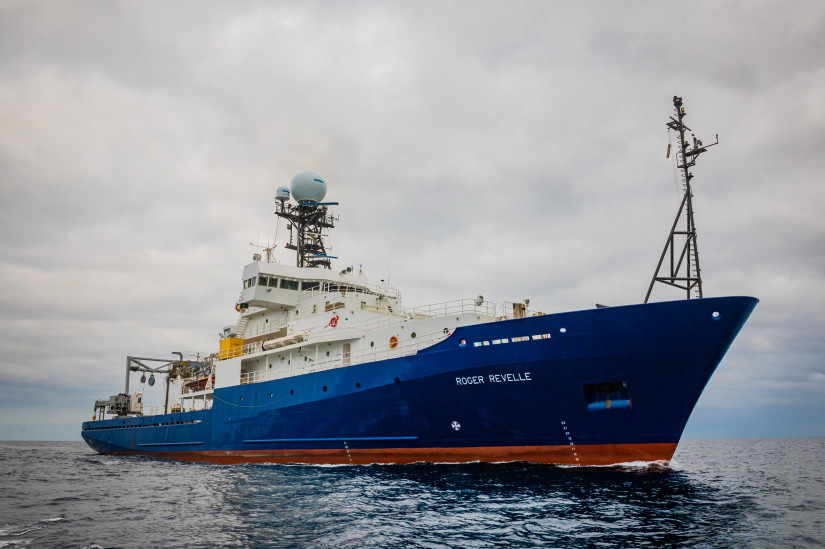
Operating area: Monterey Bay
Route: Alameda (California) - United States → Alameda (California) - United States
Project aboard
The Coastal Land Air-Sea Interaction (CLASI) experiments describes a full scale experimental effort by deploying multiple air-sea interaction spar (ASIS) buoys in conjunction with other nearshore buoys and land-based tower to measure the air-sea interaction exchange in the coastal ocean from the land dunes to the beach to the surf zone and over the inner shelf into shallow water. The full experiment plan was developed by the CLASI team and includes previous results from the CLASI Pilot Experiment and lessons learned as well as shortcomings missed during the Pilot experiment. The goal is to deploy, operate and recover the five existing ASIS buoys and build three additional ASIS buoys to accommodate specialized measurements (EM/qT) in support electromagnetic ducting in the coastal region. These buoys constitute the core asset of the CLASI plan since they together with the shallower version I-SPAR buoys can measure directly the air-sea fluxes and turbulence both on the atmospheric and oceanic side of the air-water interface. From this unique set of observations, we propose to develop coast-aware parameterizations of air-sea coupling. In addition, we will operate two X-band radar systems on the land near the coast to continuously record the coastal wave climate and dynamics as well as wind speed and direction.
People aboard
- Brian Haus OLD ACCOUNT · Chief scientist
- Hans Graber · Principal investigator
Party size: 15
Estimated vacant berths: 22
Equipment
Aboard the vessel
- Dynamic Positioning (DP)
- Meteorological Data
- Science (Wave/Ice) Radar
Pooled / portable
- CTD
Schedule data from UNOLS Marine Facilities Planning · operator cruise code RR2208 · MFP reference 21/693 · synced Sep 24, 2026