CCE-LTER III - Mooring 2022
Completed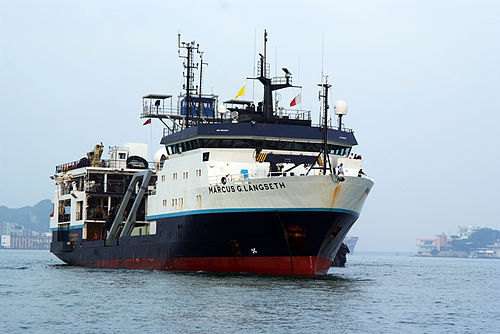
Operating area: Southern sector of California Current System Area approx. 100 x 150 nmi
Route: San Diego (California) - United States → San Diego (California) - United States
Lamont-Doherty Earth Observatory
Project aboard
Upwelling regions are some of the most productive ocean ecosystems. The study region of the California Current Ecosystem (CCE) LTER is the southern sector of the California Current System (CCS), a major upwelling biome where the 67-year California Cooperative Fisheries Investigations (CalCOFI) program provides essential information characterizing both natural climate variability and progressive changes. The CCE site spans a biogeographic boundary region, hence is an early sentinel of climate change; shows low frequency variations that are correlated with much of the North Pacific; is the preferred spawning site for most of the epipelagic fish biomass in the CCS; exhibits a broad gradient of ocean conditions over a short geographic distance; encompasses an undisturbed, layered sedimentary record of the past two millennia; and has well-developed models. The California Current Ecosystem (CCE) LTER program addresses two over-arching questions: What are the mechanisms leading to different ecosystem states in a coastal pelagic ecosystem? What is the interplay between changing ocean climate, community structure, and ecosystem dynamics? This program will develop a new quantitative basis for forecasting the effects of climate perturbations on the management of key living marine resources, including numerous fishes, invertebrates, marine mammals, and seabirds. The study region also affects CO2 exchange and carbon sequestration, as well as human recreation, navigation, and the livelihoods of large numbers of U.S. residents. The site encompasses a National Marine Sanctuary and constitutes major spawning habitat for most of the epipelagic fish biomass in the CCS. This research will involve extensive training of graduate students, undergraduate REU's, and will create teacher opportunities. Public programs and outreach efforts will be expanded in collaboration with the Birch Aquarium at Scripps, to increase public awareness and understanding of climate effects on coastal pelagic communities, to connect the public
People aboard
- Mark D. Ohman · Principal investigator
Party size: 9
Estimated vacant berths: 26
Equipment
Aboard the vessel
- ADCP/UHDAS – range 1000m-1200m (e.g. 38kHz)
Science party brings
- Science-provided vans
Schedule data from UNOLS Marine Facilities Planning · MFP reference 21/132 · synced Sep 24, 2026